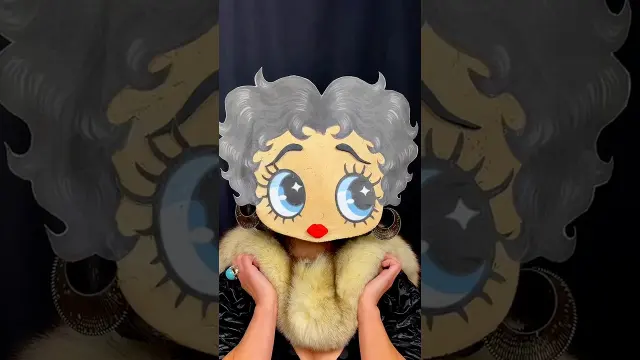
 Betty Boop Cosplay Makeup With a Purple Colour Twist
#Character Look
1 ideas
Betty Boop Cosplay Makeup With a Purple Colour Twist
Get new #Character Look ideas by email
Every Thursday: the week's best ideas, with the newest from #Character Look.
Related tags
Character Look: Makeup and Styling for Cosplay
A character look is the craft of styling yourself into someone recognisable — a figure from a film, a comic, a game, a story, or an idea you have invented. It is not quite costume and not quite everyday makeup; it is the point where the two meet, and where the face, the silhouette and the small details all have to agree with each other before the transformation reads clearly.
Where it comes from
Dressing as someone else is old. Theatre used masks and paint to make a face visible from the back of a hall, carnival and masquerade turned disguise into a public pleasure, and film and stage makeup departments later refined the techniques for changing a face on camera. Fan culture added its own vocabulary and its own standards, and today the same skills serve Halloween, parties, photoshoots and hobby events. What unites all of it is the intention: you are not trying to look like a better version of yourself, but like somebody else.
Three ways into a character
Read more
Most looks lean on one element and let the others support it.
- Makeup-led: the face carries the character, through shape, colour and expression.
- Silhouette-led: the costume, padding and cut do the work, and the face stays comparatively simple.
- Wig-and-detail-led: a distinctive hairstyle, a prop, a scar, a pair of glasses — one strong signal that the eye recognises instantly.
Knowing which of these your character depends on saves you hours. There is no prize for effort spent on details nobody will see.
Techniques you will meet
Changing a face is mostly a matter of light and shadow. Contouring and highlighting can sharpen a jaw, widen a brow or round a cheek; eyebrows can be softened and redrawn to alter the whole expression; eyes are usually drawn larger and bolder than daily wear allows. Some looks use prosthetics or special-effects materials for noses, ears or wounds, and some use coloured contact lenses. Anything that touches the eye deserves caution: buy from a supplier that gives clear instructions, follow them, and never wear a lens longer than advised.
Before you commit to the mirror
Work from reference images, ideally several, and decide which three or four features make the character unmistakable. Sketch or photograph a plan. Then do a full test run at home, well before the event: it tells you how long the makeup takes, how it behaves under flash or daylight, and whether you can eat, drink and sit down in the costume.
Test products on a small patch of skin first, keep applicators clean, do not share eye makeup, and give yourself a realistic removal plan — oil-based cleansers and patience rather than scrubbing. Finish with a moisturiser and let your skin rest afterwards.
The most common beginner mistake is doing everything at once. A clear, confident read of the character beats a busy face every time.
#Character Look: frequently asked questions
How do I start a character look if I've never done one before?
Start by picking a character you already feel drawn to and gathering a handful of reference images, then write down the few features that make that character instantly recognisable. Build the look around those features first and only add extras once the core reads clearly in a mirror or a photo. A slow, staged approach beats trying to assemble a complete transformation in one sitting.
What do I actually need to buy before my first attempt?
You need far less than it seems: a base you already trust, something to shape and colour the brows, eye products that suit the character, and a way to set everything so it lasts. Add the costume or wig element your character depends on, plus a gentle cleanser for taking it all off afterwards. Anything for the eyes, such as lenses, should come from a supplier with clear instructions you can actually follow.
How do I decide whether my look should be led by makeup, silhouette or a single detail?
Ask yourself what you would recognise about the character in a blurry photo — the face, the shape, or one strong signal like hair, a prop or a scar. Whichever answer comes first is the element worth your time, and the others only need to support it without competing. Being honest about this early saves you hours on details nobody will notice.
How should I look after the makeup, wig and costume afterwards?
Take makeup off with an oil-based cleanser and patience rather than rubbing, then finish with a moisturiser and let your skin rest. Wigs and fabric pieces last much longer when they are stored clean, detangled and away from heat and direct light. Keep applicators clean and avoid sharing anything that goes near the eyes.
Do I need a full test run before the event?
Yes, and earlier than feels necessary — a test run tells you how long the whole thing takes, how it behaves in daylight or under flash, and whether you can still eat, drink and sit down. It also gives you a chance to fix whatever fails while there is still time to change it. Treat the rehearsal as part of the craft, not as an optional extra.
What is the most common mistake beginners make with a character look?
Trying to do everything at once, which leaves a busy face where none of the features stand out. A clear, confident read of the character is far more convincing than a pile of small details competing for attention. If something does not help the character be recognised, it is usually safe to leave it off.
Videos come from YouTube and posts from Instagram; titles and summaries are our own. All rights belong to their creators.