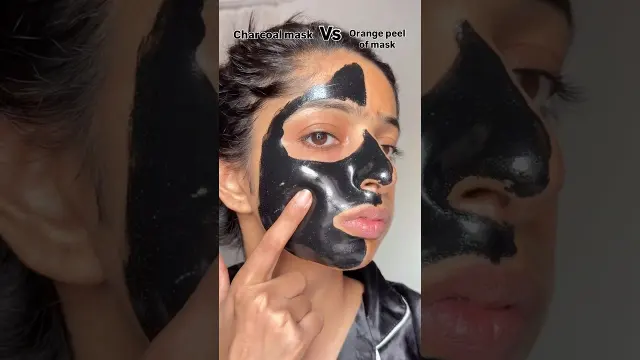
 Charcoal mask versus orange peel-off mask compared
#Charcoal Mask
1 ideas
Charcoal mask versus orange peel-off mask compared
Get new #Charcoal Mask ideas by email
Every Thursday: the week's best ideas, with the newest from #Charcoal Mask.
Related tags
Charcoal Mask: A Beginner's Guide to Activated Charcoal Skincare
A charcoal mask is a skincare product built around activated charcoal, a fine black powder made by heating carbon-rich materials such as wood, coconut shells or bamboo in the absence of oxygen and then treating the result so that it becomes highly porous. That porous structure is the whole point: the surface area of a small amount of activated charcoal is enormous, which is why it has long been used in water filters and in industrial settings where substances need to be trapped.
Where it comes from
Charcoal itself is ancient — people have made it for fuel for thousands of years. The "activated" version is more recent, and its use in filtration and in traditional preparations for digestive upsets is well established. Skincare borrowed the idea later, on the reasoning that a material good at trapping impurities in a filter might do something similar on the surface of the skin. That reasoning is worth holding loosely. A mask sits on your face for a few minutes and then gets rinsed away; it is a cosmetic experience, not a treatment, and no mask will draw things out of deep within the skin.
How the masks work
Read more
Most charcoal masks combine the charcoal with a base that does the actual setting: clay, a peel-off gel, or a cream that rinses clean. The charcoal gives the product its colour and its claim, while the base determines how it feels and how it is removed. You will also find charcoal in sheet masks, nose strips, cleansers and soaps, usually as one ingredient among many.
The main kinds
- Clay and charcoal: a thick paste that dries down, then rinses off with warm water. Often chosen by people with oilier skin.
- Peel-off charcoal: a gel that forms a rubbery film you lift away. Satisfying, but the peeling action can tug at the skin, so treat it gently.
- Cream and gel washes: leave-on for a few minutes, then washed off; the mildest option.
- Sheet and strip formats: pre-cut and convenient, best used sparingly.
What beginners should know
Patch test first, on the inner arm or jawline, and wait a day. Follow the label's timing rather than leaving a mask on longer in the hope of a stronger effect — over-drying is the most common mistake, and tight, squeaky skin is not a sign of success. Avoid charcoal products on broken, sunburned or irritated skin, and keep them away from the eyes. Once or twice a week is plenty for most people; more frequent use tends to leave skin feeling stripped.
If your skin is dry or sensitive, a charcoal mask may simply not suit you, and that is fine — there are gentler ways to cleanse. After any mask, apply a moisturiser while the skin is still slightly damp. If a product stings, burns or leaves redness that persists, stop using it. And remember the simple rule that outlasts every ingredient: consistency with a short, comfortable routine does more than any single dramatic product.
#Charcoal Mask: frequently asked questions
How do I start using a charcoal mask if I never have before?
Patch test a small amount on your inner arm or along the jawline first, and give it time before committing to your whole face. When you do try it properly, follow the timing on the label and rinse with warm water rather than scrubbing. Start with occasional use and see how your skin feels before making it a regular step.
What do I actually need on hand to use one?
A charcoal mask, clean hands, warm water and a soft cloth for removal will cover most formats. Keep a moisturiser nearby, because the skin is best moisturised while still slightly damp after rinsing. A headband or clip for your hair helps keep the product off your hairline and out of your eyes.
Which kind of charcoal mask should I choose?
Clay-based masks that dry down and rinse off are the usual pick for oilier skin, while cream and gel versions are the mildest choice if your skin tends to feel tight. Peel-off gels are satisfying to lift away but tug at the skin, so they suit people who don't mind a bit of pulling. Sheet and strip formats are convenient for occasional use rather than a regular routine.
How does a charcoal mask compare with an orange peel-off mask?
The comparison usually comes down to the base rather than the charcoal: a peel-off film lifts away in one piece, while clay or cream versions rinse clean with water. Peel-off formats give that satisfying one-piece removal but can pull at the skin, so gentleness matters more than the ingredient on the label. Pick whichever texture you will actually use comfortably and consistently.
What are the most common mistakes people make with charcoal masks?
Leaving the mask on longer than the label says, hoping for a stronger effect, is the big one, and it usually just leaves skin over-dried and tight. Using charcoal too often is the next mistake, since frequent use tends to strip the skin rather than help it. Applying it to broken, sunburned or irritated skin, or too close to the eyes, is another one to avoid.
How should I care for my skin after a charcoal mask?
Rinse thoroughly with warm water, pat gently rather than rubbing, and apply moisturiser while the skin is still slightly damp. If a product stings, burns, or leaves redness that hangs around, stop using it rather than pushing through. Dry or sensitive skin may simply not get on with charcoal, and gentler cleansing is a perfectly good alternative.
Videos come from YouTube and posts from Instagram; titles and summaries are our own. All rights belong to their creators.