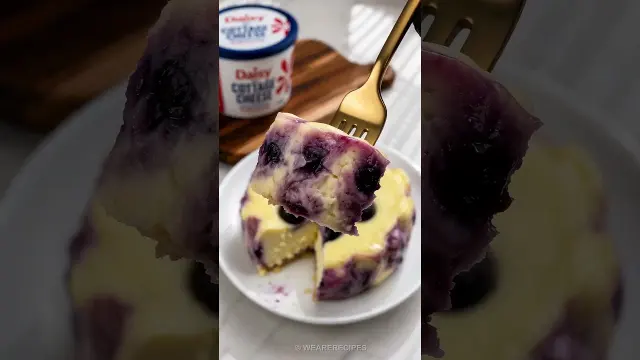
 High-Protein Blueberry Lemon Cheesecake
#Cheesecake
2 ideas
High-Protein Blueberry Lemon Cheesecake
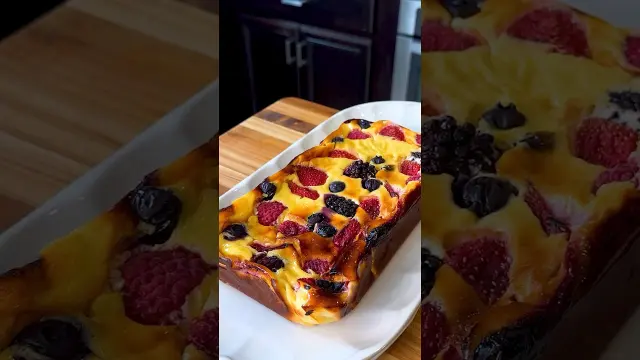 Low Calorie High Protein Cheesecake Dessert Recipe
Get new #Cheesecake ideas by email
Every Thursday: the week's best ideas, with the newest from #Cheesecake.
Related tags
Cheesecake: A Classic Creamy Dessert
What cheesecake is
Cheesecake is a rich dessert made with a creamy filling set on a crust or base. The filling is usually made from soft cheese, most often cream cheese, mixed with sugar and eggs, then flavored with ingredients such as vanilla, citrus, chocolate, fruit, or spices. It can be baked for a firmer, denser texture or chilled for a lighter, softer finish.
Although cheesecake feels very modern and familiar, it has old roots. Versions of this dessert have existed in different forms for a long time, with many cultures developing their own variations using local cheeses and baking traditions. Over time, cheesecake became especially associated with creamy styles made with fresh cheese and a biscuit or crumb base.
Main styles of cheesecake
Read more
There are several common kinds of cheesecake, and each one has its own texture and character.
- Baked cheesecake: This is the classic style, with a smooth filling that is baked until just set. It is usually dense, creamy, and rich.
- No-bake cheesecake: This version is chilled rather than baked. It often uses whipped cream, gelatin, or another setting ingredient to hold its shape.
- New York-style cheesecake: A well-known baked style that is especially thick, rich, and firm, with a very creamy interior.
- Light or airy cheesecake: Some recipes use whipped egg whites, cream, or less dense fillings to create a softer texture.
- Fruit-topped cheesecake: Fresh fruit, fruit compote, or a glaze is added on top for color and brightness.
- Savory cheesecake: Less common, but cheesecake can also be made in savory forms with herbs, cheese, and vegetables.
The basic structure
A cheesecake usually has two main parts: the base and the filling. The base often uses crushed biscuits or cookies mixed with butter, pressed into a pan. This gives contrast in texture and helps support the creamy filling.
The filling is where most of the flavor comes from. A smooth mixture is important, so ingredients are usually combined gently and evenly. Overmixing can add too much air, which may affect the final texture. In baked versions, the cheesecake is often cooled slowly to reduce cracking and keep the surface smooth.
What beginners should know
If you are new to making cheesecake, keep the process simple and patient.
- Use ingredients that are softened or at room temperature when the recipe calls for it, so they blend more smoothly.
- Mix the filling until just combined. A smooth batter is good, but too much beating can change the texture.
- Be careful not to overbake. Cheesecake should usually still have a slight wobble in the center when it is done.
- Let it cool fully before removing it from the pan or slicing it.
- Chill the cheesecake well if the recipe needs it, because the texture improves as it sets.
A springform pan is often used for baked cheesecake because it makes it easier to release the dessert cleanly, but other pans can also work depending on the recipe.
Flavor variations and serving
Cheesecake is very adaptable, which is part of its lasting appeal. You can keep it plain and elegant, or add flavor through citrus zest, chocolate, coffee, berries, nuts, caramel, or warm spices. Toppings can be simple or decorative, depending on the occasion.
It is often served in small slices because it is a rich dessert. A plain cheesecake can be paired with fruit, while a flavored one may need little more than a dusting of sugar or a spoonful of sauce. However you serve it, cheesecake is best when the filling is smooth, the crust is balanced, and the flavors feel clean and complete.
Videos come from YouTube and posts from Instagram; titles and summaries are our own. All rights belong to their creators.