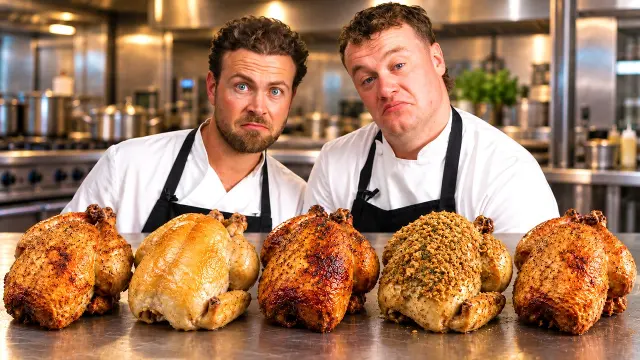
 Testing Five Michelin-Star Roast Chicken Methods
#Chef Recipes
1 ideas
Testing Five Michelin-Star Roast Chicken Methods
Get new #Chef Recipes ideas by email
Every Thursday: the week's best ideas, with the newest from #Chef Recipes.
Related tags
Chef Recipes: Techniques, Ideas, and Kitchen Confidence
What chef recipes are
Chef recipes are dishes shaped by professional kitchen thinking: clear technique, balanced flavor, careful timing, and attention to presentation. They are not a separate kind of cuisine, but a way of cooking that often comes from restaurant practice, where consistency and control matter as much as taste.
Many chef recipes begin with classic foundations such as sauces, stocks, roasting, braising, sautéing, or baking. From there, chefs refine the details: how ingredients are cut, when they are added, how heat is managed, and how the final dish is plated. The result is often familiar food made with more precision and a little more finesse.
Where they come from
Read more
Chef recipes have their roots in traditional cooking schools, restaurant kitchens, and regional culinary cultures. Many are based on classic French, Italian, Asian, Mediterranean, or other home and professional traditions, then adapted for modern kitchens and everyday ingredients.
Some chef-style recipes are simple and rustic, while others are more layered and technical. The common thread is that they tend to explain not just what to do, but why each step matters. That makes them useful for anyone who wants to cook more thoughtfully.
What makes them different
A chef recipe often pays closer attention to technique than a casual recipe. You may see instructions to sear before roasting, rest meat before slicing, reduce a sauce gently, or season at several stages rather than only at the end. These small habits can make a big difference to flavor and texture.
They also often encourage balance: something rich with something fresh, something soft with something crisp, or something savory with a bright acid. This is one reason chef recipes can feel especially satisfying, even when the ingredient list is short.
Styles and kinds to know
Chef recipes can be found in many forms:
- Elegant main courses with layered sauces or vegetable garnishes
- Simple pan dishes built around good browning and seasoning
- Seasonal salads with careful texture contrast
- Soups and braises that rely on patient cooking
- Desserts that focus on structure, balance, and clean flavor
You may also notice different styles of presentation. Some chef recipes are rustic and relaxed, while others are highly composed. Both can be beautiful if the flavors are well thought out.
Tips for cooking like a chef
If you are new to this style of cooking, start with the basics. Read the whole recipe before you begin, prep your ingredients first, and taste as you go. Use a sharp knife, a hot pan when needed, and enough seasoning to bring out the main ingredients without overwhelming them.
Do not rush techniques that depend on time, such as browning, resting, or reducing. These steps often build the depth that makes chef recipes stand out. And remember that the best professional cooking is not about perfection; it is about care, repetition, and knowing how to adjust when something needs a little more salt, heat, or patience.
A useful way to think about them
Chef recipes can teach you how to cook with more confidence at home. They show you how flavors are built, how texture is shaped, and how a few well-chosen steps can turn simple ingredients into something memorable.
#Chef Recipes: frequently asked questions
How do I start cooking chef-style recipes at home?
Begin with dishes built on a few solid techniques rather than a long ingredient list, such as a properly seared protein or a simple pan sauce. Read the recipe from start to finish before you turn on the heat, and prepare and measure everything first so you can focus on what is happening in the pan. Tasting as you go will teach you more than following the steps blindly.
What equipment and ingredients do I really need for chef recipes?
A sharp knife, a heavy pan that holds heat well, and a couple of sturdy pots will carry you through most of this style of cooking. On the ingredient side, good salt, a decent cooking fat, and fresh aromatics matter more than specialty items. Most chef recipes are built from ordinary groceries handled with care, so you do not need a professional kitchen to make them.
Which kind of chef recipe should I choose as a beginner?
Start with simple pan dishes or one-pot braises, where the technique is clear and the timing is forgiving. Composed plates with several sauces and garnishes are better saved for when the individual steps feel familiar. Pick something you already like to eat, since you will judge the result more honestly.
How do I care for and store what I make so it still tastes good later?
Cool food promptly, store it in a tightly sealed container, and reheat gently rather than blasting it with high heat, which can dry out sauces and proteins. Keep components separate where you can, especially crisp garnishes and dressings, and add them just before serving. Dishes built on braises and sauces often improve overnight, while anything fried or crisp is best eaten fresh.
What ideas work well for a special occasion menu?
Choose one dish that carries the meal and keep everything around it simple, so your attention stays where it matters. A slow braise or a roast with a well-made sauce leaves you free to plate calmly, and a seasonal salad with contrasting textures rounds it out without extra stress. Finish with a dessert focused on balance rather than decoration.
What are the most common mistakes people make with this style of cooking?
The usual ones are crowding the pan, skipping the preheat, and seasoning only at the end instead of in stages. Rushing steps that depend on time, like browning, resting meat, or reducing a sauce, costs you the depth that makes these dishes stand out. Adjusting as you taste, rather than chasing a perfect result, is what actually improves your cooking.
Videos come from YouTube and posts from Instagram; titles and summaries are our own. All rights belong to their creators.