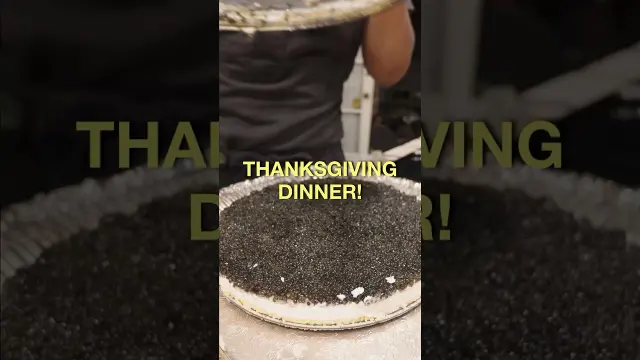
 Beverly Hills Private Chef Thanksgiving Menu
#Chef
1 ideas
Beverly Hills Private Chef Thanksgiving Menu
Get new #Chef ideas by email
Every Thursday: the week's best ideas, with the newest from #Chef.
Related tags
Chef: The Art and Craft of Professional Cooking
What a chef is
A chef is a trained cook who plans, prepares, and leads food service in a professional kitchen. The word comes from French and originally means “chief” or “head,” which reflects the chef’s role: not only cooking, but also organizing, tasting, timing, and guiding others. In many kitchens, a chef is responsible for the whole rhythm of service, from menu ideas and ingredient choice to plating and consistency.
Chefs work in many settings. You may find them in restaurants, hotels, bakeries, catering kitchens, private homes, schools, hospitals, and other places where food is prepared for groups. Some chefs specialize in a particular style of cooking, while others manage a full kitchen team.
Different kinds of chefs
Read more
The word chef can describe several roles. A head chef or executive chef oversees the kitchen and makes many of the creative and practical decisions. A sous-chef usually supports the head chef and helps keep service running smoothly. Line cooks and station chefs handle specific parts of the kitchen, such as sauces, vegetables, meats, pastries, or cold dishes.
There are also chefs with special areas of focus. A pastry chef works with desserts, breads, and sweet baking. A private chef cooks for individual households or private events. A personal chef may prepare meals for a client in batches, often in a home kitchen. A caterer or banquet chef may design food for larger gatherings. Though the titles differ, all of them rely on the same core habits: organization, timing, and care.
Skills and techniques
Good chefs learn to cook well, of course, but they also learn to work cleanly and calmly under pressure. Knife skills, seasoning, heat control, tasting as you go, and understanding how ingredients behave are all essential. Many chefs also develop a strong sense of planning. They think ahead about prep work, cooking times, storage, and how dishes will hold up until service.
Classic techniques include roasting, sautéing, braising, steaming, grilling, baking, emulsifying, reducing, and blanching. The best chefs usually know when to keep things simple. A well-cooked ingredient often needs little more than proper seasoning and careful timing.
What beginners should know
If you are starting to cook more seriously, begin with the basics. Learn how to read a recipe carefully, prep ingredients before heating the pan, and keep your workspace tidy. Taste your food at different stages. Notice how salt, acid, fat, and heat change flavor. Practice one technique at a time instead of trying to master everything at once.
A chef’s work is about consistency as much as creativity. Repeating a dish until it feels natural is part of the craft. Patience matters. So does curiosity.
A practical way to think like a chef
When you cook, try to think in steps: what needs the longest time, what can be prepared ahead, and what should be finished at the last moment. This kind of thinking helps you cook with less stress and better results. Over time, you begin to understand not just how to follow a recipe, but how to build a meal. That is one of the real joys of becoming a chef: turning ingredients into something orderly, generous, and memorable.
Videos come from YouTube and posts from Instagram; titles and summaries are our own. All rights belong to their creators.