 Architectural Walking Tour of Chicago Landmarks
#Chicago Architecture
2 ideas
Architectural Walking Tour of Chicago Landmarks
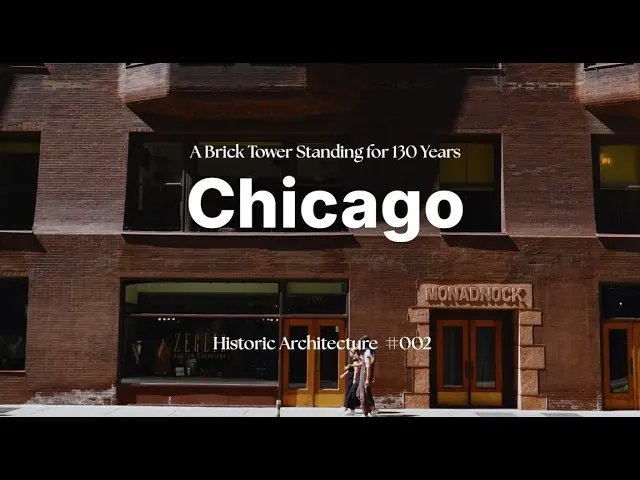 Exploring the 130-Year-Old Monadnock Building in Chicago
Get new #Chicago Architecture ideas by email
Every Thursday: the week's best ideas, with the newest from #Chicago Architecture.
Related tags
Chicago Architecture Guide
Chicago architecture is one of the best-known urban building traditions in the United States. It grew out of a city that was rebuilt many times, especially after the Great Fire of 1871, when architects and engineers had the chance to rethink how tall buildings, streets, and neighborhoods could be shaped. Because of that, Chicago became closely linked with innovation in skyscraper design, structural engineering, and modern city planning.
What makes Chicago architecture distinctive
Chicago is often associated with tall commercial buildings, but its architectural identity is broader than that. You’ll find early masonry warehouses, elegant downtown landmarks, Prairie-style houses, public buildings, apartment blocks, churches, bridges, and sleek modern towers. The city’s architecture reflects practical needs as well as creative ambition: dense land use, changing technologies, and a strong tradition of design experimentation.
Several styles are especially important. Late 19th-century commercial architecture helped define the early skyline, with buildings designed to be durable and efficient. The Chicago School is associated with the development of steel-frame construction and large windows, which made taller buildings possible and gave facades a lighter, more open look. The Prairie School, linked with low horizontal lines and strong connection to the landscape, is another major contribution from the region. Later periods brought Art Deco, mid-century modernism, and a wide range of contemporary high-rise designs.
Read more
What to look for
When you look at Chicago buildings, notice how they express structure. Many facades show a clear base, middle, and top, especially in older commercial towers. Some buildings emphasize vertical lines to make them feel taller, while others use horizontal bands and deep setbacks. Windows, ornament, cornices, brickwork, and stone detailing can tell you a lot about the period and purpose of a building.
If you are interested in residential architecture, pay attention to neighborhoods outside the Loop as well. Chicago’s houses and apartment buildings reveal a different side of the city, with row houses, bungalow forms, and carefully designed neighborhood streetscapes.
Good ways to explore it
A walking tour is one of the best ways to understand Chicago architecture. The downtown area offers a dense mix of historic and modern buildings, while neighborhoods such as Hyde Park, Oak Park, and Lincoln Park can show you different styles and scales. Looking up from street level is often rewarding, because many details are easy to miss when you move quickly past them.
For beginners, it helps to start with a few simple questions:
- Is the building commercial, residential, civic, or religious?
- Does it feel tall and vertical, or low and horizontal?
- What materials stand out: brick, stone, glass, steel, or terracotta?
- Are there decorative details, or is the design deliberately plain?
A few practical tips
Take your time, especially in busy areas where buildings compete for attention. Try viewing the same structure from across the street, from a corner, and from closer up, since each angle reveals something different. If you sketch, photograph, or simply pause and observe, you’ll begin to notice patterns in proportion, ornament, and massing.
Chicago architecture is worth exploring because it shows how a city can be both practical and expressive at the same time. Whether you are drawn to historic landmarks or modern towers, the city offers a rich lesson in how buildings shape everyday life.
Videos come from YouTube and posts from Instagram; titles and summaries are our own. All rights belong to their creators.