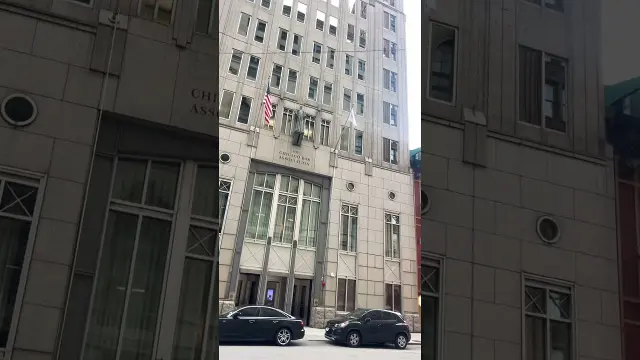
 Walking Through Chicago Loop and Historic Landmarks
#Chicago Loop
1 ideas
Walking Through Chicago Loop and Historic Landmarks
Get new #Chicago Loop ideas by email
Every Thursday: the week's best ideas, with the newest from #Chicago Loop.
Related tags
A Guide to the Chicago Loop
The Chicago Loop is the name given to the central business district of Chicago, the dense downtown area at the heart of the city. For visitors and residents alike, it is the place where the city's most recognisable landmarks, its busiest streets and its main transit connections come together. Understanding what the Loop is and how it is laid out helps you move through it with confidence.
Where the name comes from
The district takes its name from the elevated railway tracks that form a rectangle around the downtown core. These tracks carry the trains of the city's rapid transit system, and the loop they create gave the area its identity. Over time the name came to describe the whole downtown rather than only the tracks themselves. The grid of streets, the river to the north and west, and the lake to the east frame the district and make it relatively easy to navigate.
Architecture and landmarks
Read more
The Loop is best known for its concentration of architecture. It is where the skyscraper was pioneered, and the district holds buildings from many different eras standing side by side. You will find early steel-framed towers, ornate historic department stores, and later modernist structures within a few blocks of one another. Guided architecture walks are popular, but you can also simply wander and look up. Public art, plazas and the riverfront add to the experience.
Several major cultural institutions sit at the edges of the district, along with parks and open spaces that offer a break from the streets. The lakefront, just to the east, provides paths, gardens and views that balance the density of downtown.
Getting around
The Loop is one of the most walkable parts of the city. The street grid is regular and most attractions sit within a manageable distance of each other. The elevated trains, buses and underground lines converge here, making the district a natural starting point for exploring the wider city. If you are new to the area, a map and comfortable shoes are the most useful things to carry.
Practical tips for a first visit
- Go early in the day if you want quieter streets and better photographs.
- Wear comfortable shoes; walking is the best way to see the detail of the buildings.
- Look up often. Much of the district's character is above street level.
- Check opening days for museums and institutions before you plan around them.
- In colder months, use the connecting walkways and transit to stay warm between stops.
Why it endures
The Loop works as a guide because it holds so much in a small area: history, architecture, transit and daily city life layered together. Whether you come for the buildings, the culture or simply to walk the grid, taking it slowly and observing closely is the best way to appreciate it.
#Chicago Loop: frequently asked questions
What exactly is the Chicago Loop, and how do I know when I'm in it?
The Loop is the name for Chicago's dense downtown core, the rectangle of streets framed by the river, the lake and the ring of elevated train tracks that gave the district its name. You know you're in it when the buildings close in, the streets fill with offices and shops, and the elevated tracks rumble overhead. It functions as the city's centre for architecture, transit and everyday business life all at once.
How should a first-time visitor start exploring the Loop?
Begin on foot early in the day, when the streets are quieter and the light is better for looking at buildings. Pick one stretch of the grid and walk it slowly rather than trying to cover the whole district, since most highlights sit within a short distance of each other. A simple map plus comfortable shoes is really all the preparation you need.
What should I bring or plan for before I go?
Comfortable shoes matter more than anything else, because the grid is made for walking and the detail is best seen at street level. Bring a map or download one, and check the opening days of any museums or institutions you want to include so you don't plan around a closed door. In cold weather, plan your route so you can duck through connecting walkways and transit entrances to stay warm.
Is the architecture really the main draw, and how do I appreciate it?
Yes — the Loop is where the skyscraper was pioneered, and early steel-framed towers, ornate historic department stores and modernist buildings stand side by side within a few blocks. Look up constantly, because much of the character sits above street level where most people never glance. Guided walks exist, but wandering on your own and pausing to compare buildings from different eras works just as well.
What are the common mistakes people make on a first visit to the Loop?
The usual ones are keeping your eyes at street level, rushing to cover too much ground, and arriving without checking whether the institutions you want to see are open that day. Another is forgetting how much the district rewards slowness — the point is the layering of history, transit and daily city life in a small area. Take it gently and observe closely instead of treating it as a checklist.
Videos come from YouTube and posts from Instagram; titles and summaries are our own. All rights belong to their creators.