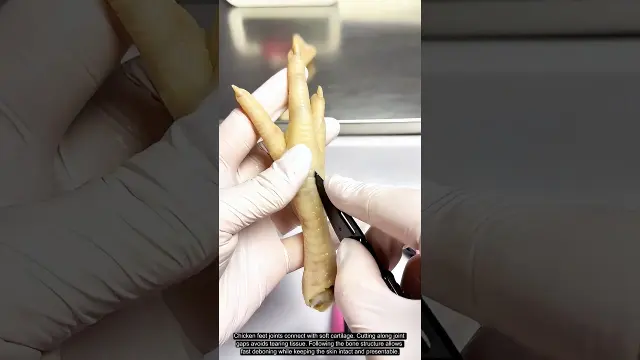
 Chicken Feet Prep: Cutting Along the Joint Gaps
#Chicken Feet
3 ideas
Chicken Feet Prep: Cutting Along the Joint Gaps
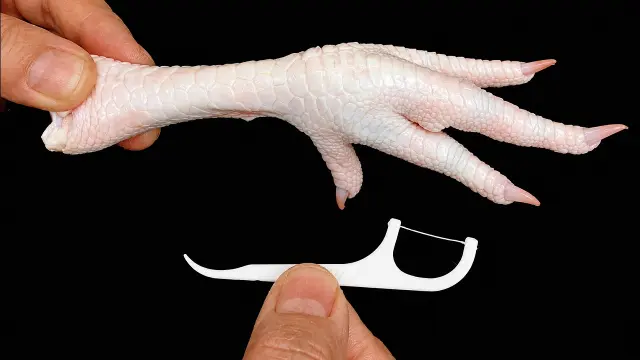 Deboning Chicken Feet with a Dental Floss Pick
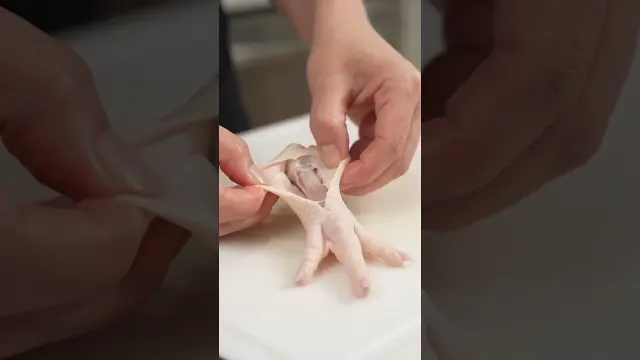 Chicken Feet Deboning Shown as a Kitchen Hack
Get new #Chicken Feet ideas by email
Every Thursday: the week's best ideas, with the newest from #Chicken Feet.
Related tags
Chicken Feet: A Guide to Buying, Cleaning and Cooking
Chicken feet are exactly what the name suggests, yet they are also one of the most versatile and least wasteful parts of the bird. Long cooked, the skin, tendons and connective tissue soften into a rich, sticky, gelatinous texture that carries sauce beautifully. Many cooks who would never serve a plain boiled foot will happily queue for a well-made one, because the appeal is entirely in the preparation.
What they are and why they are cooked
Each foot is mostly skin, tendon and bone, with very little meat. That composition is what makes them interesting: the connective tissue gradually melts during long cooking, turning the cooking liquid slightly thick and giving the foot a soft, springy bite. Because the foot has no fat to speak of, it takes on flavour from the liquid it is simmered in — stock, soy, vinegar, chilli, spice blends — rather than providing flavour of its own. They are also inexpensive, which is part of why they appear in so many thrifty kitchens.
Cleaning and preparing
Read more
Most markets sell feet already scalded and stripped of the outer yellow skin, and often the claws are removed. If yours still have claws or any dark, rough patches, trim them away. Rinse well, then blanch in boiling water for a few minutes and drain; this firms them up, removes any lingering odour and makes the final dish taste cleaner. Some cooks rub them with salt or a little vinegar before blanching. After blanching, check for any remaining hard callus and scrape it off with a small knife.
Styles around the world
- In Chinese cooking they appear as dim sum "phoenix claws", usually braised in a dark soy and spice liquid, sometimes after a brief frying and soaking that puffs the skin.
- In Mexican and Latin American kitchens they go into slow-cooked soups and broths.
- Caribbean and West African cooks add them to hearty stews and pepper pots.
- In Eastern Europe and parts of the Jewish kitchen they set into jellied aspics.
- In Southeast Asia they are simmered in spiced broths or grilled over charcoal.
Techniques worth knowing
Frying before braising gives a wrinkled, spongy skin that soaks up sauce; it also spatters, so dry the feet thoroughly and keep a lid at hand. Braising, steaming and long simmering are the gentlest routes. Deboning is a skilled extra step — some cooks use a small pick or a length of dental floss to work the bones out — and it is worth practising on a few feet before committing to a whole batch. However you cook them, allow generous time: they are rarely good in a hurry.
Tips for beginners
Buy from a busy counter where stock turns over, and cook them the day you buy or freeze them promptly. Salt the cooking liquid more boldly than you would for meat. Serve with plenty of napkins — this is finger food, and the point is to enjoy the messy business of eating it.
#Chicken Feet: frequently asked questions
How do I start preparing chicken feet for cooking?
Begin by rinsing them well and trimming away any claws, rough patches, or dark spots that remain. A quick blanch in boiling water helps clean them up, firms the skin, and reduces any strong smell before you braise, steam, or simmer them.
What should I look for when choosing chicken feet at the market?
Choose feet that look fresh, clean, and already well trimmed if possible, with the outer skin removed. It also helps to buy from a busy counter so the stock turns over quickly and you can cook them soon after bringing them home.
What is the best way to cook chicken feet so they turn tender?
Chicken feet usually need slow, gentle cooking because they are mostly skin, tendon, and connective tissue. Braising, steaming, or long simmering works best, especially in a well-seasoned sauce or broth that can soak into their mild flavour.
What kind of dishes or occasions are chicken feet good for?
They work well in rich braises, soups, stews, and dim sum-style dishes, where their texture can shine. They are also a good fit for family meals or casual gatherings when you want something shareable, savoury, and a little different.
What are common mistakes to avoid when cooking chicken feet?
A common mistake is rushing the process, since they become pleasant only after enough time to soften properly. Another is skipping the cleaning step or underseasoning the liquid, which can leave the dish tasting flat or less polished than it should.
Videos come from YouTube and posts from Instagram; titles and summaries are our own. All rights belong to their creators.