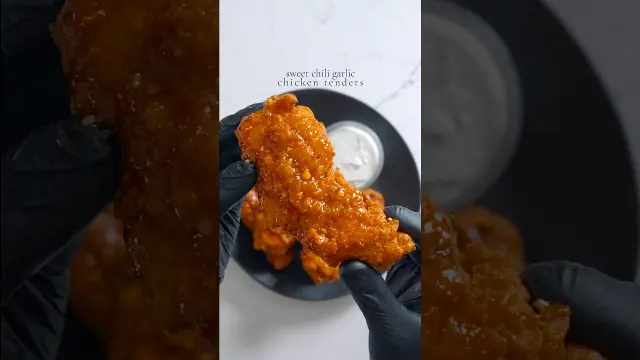
 Sweet Chili Garlic Chicken Tenders Recipe
#Chicken Tenders
1 ideas
Sweet Chili Garlic Chicken Tenders Recipe
Get new #Chicken Tenders ideas by email
Every Thursday: the week's best ideas, with the newest from #Chicken Tenders.
Related tags
Chicken Tenders: A Complete Guide to Making Them at Home
Chicken tenders are one of those foods that seem simple until you start thinking about what the word actually means. It can refer to a specific cut of meat, or to a style of preparation — strips of chicken coated and fried or baked until crisp. Both uses are common, and understanding the difference is the first step toward cooking them well.
The cut itself
On the underside of each chicken breast lies a small, loosely attached muscle called the tenderloin, or inner fillet. It is the most tender part of the bird precisely because it does so little work. You can buy these tenderloins on their own, or buy whole breasts and cut them into strips yourself — the latter is usually cheaper and lets you control the size. Strips cut from the breast are slightly firmer than true tenderloins, but once coated and cooked, most people would be hard pressed to tell them apart.
Coating styles
Read more
The coating is where the character of the dish lives, and there are several families of technique.
- Breaded: fine dried breadcrumbs, often seasoned, give a thin, even, crunchy shell. This is the classic version and the one most forgiving for beginners.
- Panko: coarse Japanese-style breadcrumbs produce a lighter, shaggier crust that stays crisp longer.
- Batter: a wet mixture of flour, liquid and sometimes egg or leavening, which puffs as it fries and gives a thicker, softer bite.
- Flour-dredged: a light dusting, sometimes with spices, for a thinner crust closer to a cutlet.
A common professional trick is the three-stage setup: flour, then beaten egg, then crumbs. The flour helps the egg cling, and the egg helps the crumbs cling, which is what prevents the coating from sliding off in the pan.
Frying and baking
Shallow frying in a generous layer of oil gives the crispest result; the coating sets quickly and the meat stays juicy. Keep the heat moderate — too hot and the outside darkens before the inside cooks, too cool and the crust turns greasy. Baking is lighter and easier to manage for a crowd; a light brushing or spray of oil helps the crumbs brown, and a wire rack keeps the underside from going soggy.
Whichever route you take, the meat should be cooked through but not beyond: it should be opaque in the centre and the juices should run clear. An instant-read thermometer is the most reliable way to check, and it is worth the small investment if you make these often. Resting the cooked tenders for a few minutes before serving keeps them juicy.
Practical notes for beginners
Keep the strips similar in size so they cook at the same rate. Pat the meat dry before coating, since surface moisture steams rather than browns. Let the coated pieces sit for a few minutes before cooking so the crumbs hydrate and adhere. And season the coating, not just the meat — the crust is a large share of what you taste.
Serve them plainly with a dip, pile them into sandwiches and wraps, or slice them over salad. They freeze well once cooked and reheat crisply in a hot oven rather than a microwave.
#Chicken Tenders: frequently asked questions
What exactly are chicken tenders made from?
They can be made from the true tenderloin — the small, loosely attached muscle under each breast — or from breast meat cut into strips. Tenderloins are the most naturally tender option, while strips cut from whole breasts are usually cheaper and let you control the size. Once breaded and cooked, the difference is hard to notice.
Which coating should a beginner choose?
Start with fine dried breadcrumbs, which give a thin, even shell and are the most forgiving to work with. Coarse panko gives a lighter, shaggier crust that stays crisp longer, while a wet batter puffs into a thicker, softer bite. Whatever you pick, season the coating itself, since the crust is a big part of what you taste.
How do I stop the coating from sliding off in the pan?
Use the flour, then beaten egg, then crumbs setup: flour helps the egg cling and the egg helps the crumbs cling. Pat the meat dry first, because surface moisture steams instead of browning, and let the coated pieces rest briefly so the crumbs hydrate and grip. Keep the strips a similar size so they cook evenly.
Is it better to fry or bake chicken tenders?
Shallow frying in a generous layer of oil gives the crispiest result, as long as the heat stays moderate — too hot and the outside darkens before the middle cooks. Baking is lighter and easier for a crowd; brush or spray a little oil on the crumbs and use a wire rack so the underside doesn't go soggy. Either way, rest them briefly before serving to keep them juicy.
How can I tell when they're cooked through?
The meat should be opaque at the centre and the juices should run clear, with no pink. An instant-read thermometer is the most reliable check if you make them often. Pull them as soon as they're done — overcooking is what dries them out.
What are good ways to serve them, and can I make them ahead?
Serve them plainly with a dip, tuck them into sandwiches and wraps, or slice them over a salad; a sweet chili and garlic glaze is an easy way to dress them up for a gathering. Cooked tenders freeze well and reheat crisply in a hot oven rather than a microwave, which softens the crust.
Videos come from YouTube and posts from Instagram; titles and summaries are our own. All rights belong to their creators.