 Why Play is Essential for a Child's Social and Emotional Development
#Child Development
8 ideas
Why Play is Essential for a Child's Social and Emotional Development
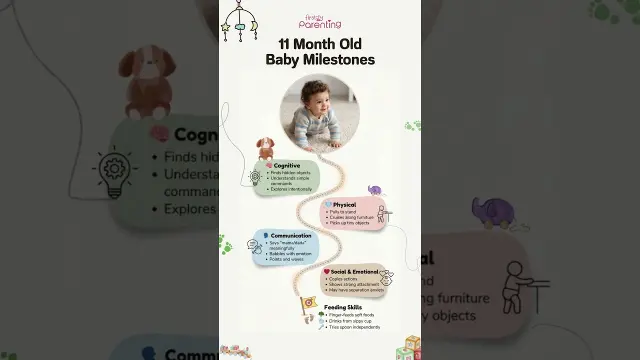 Important 11 Month Old Baby Milestones and Growth Skills
 Five Tiny Habits That Supercharge Your Child's Brain Development
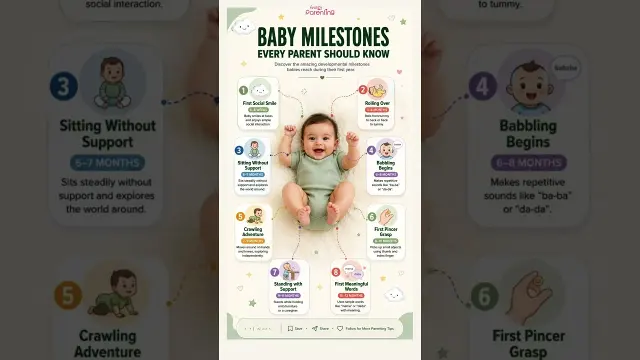 8 Key Baby Milestones Every Parent Should Know in the First Year
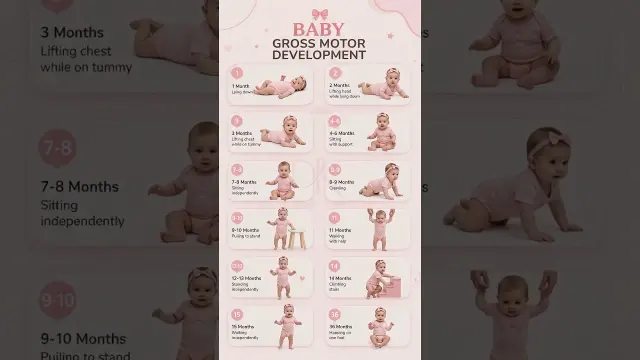 Baby Gross Motor Development Milestones and Growth Tracking
 Raising resilient children with expert parenting guidance
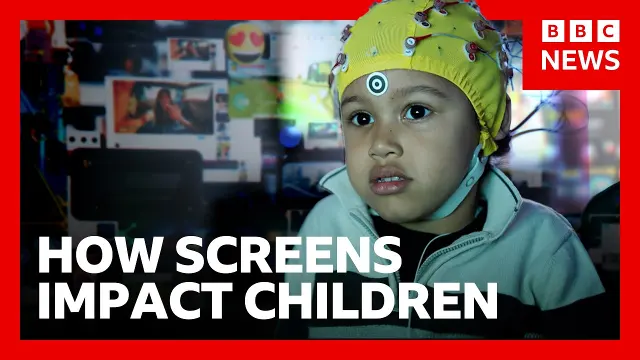 What Screen Time Really Does to Your Child's Brain Development
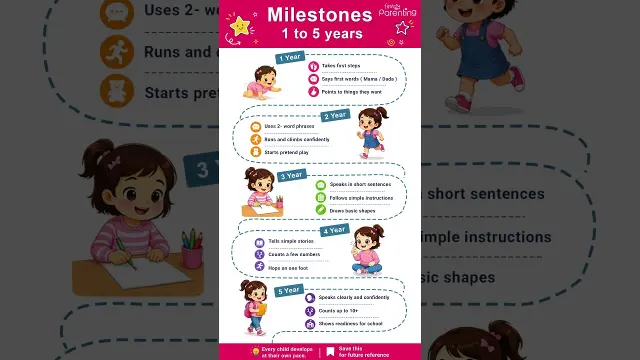 Child Development Milestones From Ages One to Five Years
Get new #Child Development ideas by email
Every Thursday: the week's best ideas, with the newest from #Child Development.
Related tags
Child Development Guide
Child development is the process by which a baby grows into a child, then a teenager and eventually an adult. It includes physical growth, language, thinking, emotions, social skills and the ability to cope with everyday life. Development is shaped by both nature and nurture: a child’s temperament and biology matter, but so do relationships, play, routine, nutrition, sleep and the wider environment.
The main areas of development
Child development is usually described in several connected areas:
- Physical development: movement, coordination, strength, fine motor skills and body control.
- Cognitive development: memory, attention, problem-solving, curiosity and learning.
- Language development: understanding words, speaking, listening and later reading and writing.
- Social development: playing with others, taking turns, cooperating and understanding rules.
- Emotional development: recognising feelings, managing frustration and building confidence.
Read more
These areas do not grow separately. A child who learns to speak more clearly may find it easier to make friends. A child who feels safe may explore more freely and learn more confidently.
How development happens
Children do not all develop at the same pace, and there is a wide range of normal. Development tends to move from simple to more complex skills. For example, babies first hold up their heads, then sit, crawl and walk. Later, children learn to use language, follow instructions, think more abstractly and manage more complicated social situations.
Early experiences matter because young children learn through repetition, observation and interaction. Everyday routines, conversation, play and responsive care all support healthy development. A child benefits from adults who notice their needs, set clear boundaries and give age-appropriate encouragement.
What helps children grow well
You can support child development in simple, steady ways:
- Talk, read and sing with your child from an early age.
- Offer time for free play, movement and exploration.
- Keep routines that make daily life predictable.
- Encourage trying, making mistakes and trying again.
- Set limits calmly and consistently.
- Notice effort as well as results.
- Give your child chances to be independent in small, safe ways.
A secure, loving relationship with a caregiver is especially important. Children usually do best when they feel safe, understood and respected. At the same time, they need opportunities to test limits and practise new skills.
What beginners should know
If you are trying to understand child development, it helps to remember three things. First, children develop at different speeds. Second, progress is often uneven: a child may advance quickly in one area and more slowly in another. Third, development is influenced by the whole child, not one single factor.
If you are worried about a child’s progress, it is sensible to look at the bigger picture. Are they learning new skills over time? Do they respond to comfort, play and guidance? Are they able to communicate and connect with others in ways that seem right for their age? If concerns persist, seeking advice from a qualified professional can be helpful.
Child development is best understood as a gradual, lifelong process. By offering patience, attention and a stable environment, you give a child the conditions to grow, learn and become more confident in their own way.
Videos come from YouTube and posts from Instagram; titles and summaries are our own. All rights belong to their creators.