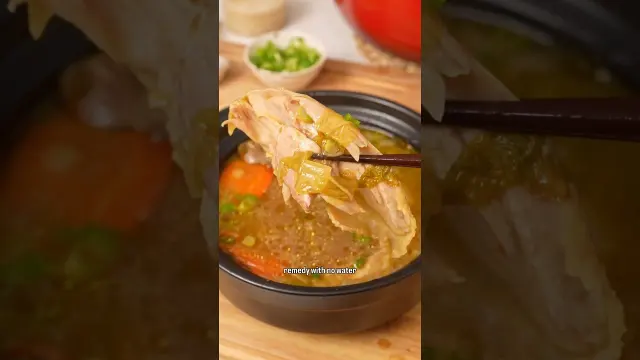
 Nourishing Traditional Chinese Chicken Essence Soup
#Chinese Cuisine
1 ideas
Nourishing Traditional Chinese Chicken Essence Soup
Get new #Chinese Cuisine ideas by email
Every Thursday: the week's best ideas, with the newest from #Chinese Cuisine.
Related tags
Chinese Cuisine: A Guide to Its Flavours and Traditions
Chinese cuisine is one of the world’s oldest and most varied food traditions. It developed over many centuries across a vast country, so there is no single “Chinese flavour.” Instead, it includes many regional cooking styles shaped by climate, geography, local crops, trade, and long culinary tradition. Rice, noodles, vegetables, soy-based seasonings, tea, and a wide range of meats and seafood all play important roles, but the balance changes from region to region.
A cuisine of regions
When people speak about Chinese food, they often mean several distinct regional cuisines rather than one fixed style. Some areas are known for delicate, lightly seasoned dishes, while others favour bold spices, rich sauces, or a pleasant balance of sweet, sour, salty, bitter, and umami flavours. You may also find cooking that focuses on freshness and clarity of taste, or dishes that are deeply aromatic and warming.
Common broad regional styles include:
- Cantonese cooking, often associated with freshness, gentle seasoning, steaming, and roasting
- Sichuan cooking, known for heat, strong aromatics, and bold seasoning
- Jiangsu and Zhejiang traditions, which often highlight refined knife work, seafood, and subtle flavours
- Northern styles, where wheat-based foods such as noodles, dumplings, and breads are especially important
- Hunan cooking, which is often spicy and fragrant
- Fujian and other coastal traditions, where soups, broths, and seafood are prominent
Read more
Core ingredients and cooking methods
Chinese cooking relies on technique as much as on ingredients. Stir-frying, steaming, braising, boiling, roasting, and deep-frying are all common. These methods help preserve texture, build layered flavour, and keep meals varied.
You will often see:
- Rice and rice noodles
- Wheat noodles, dumpling wrappers, and steamed buns
- Soy sauce, vinegar, sesame oil, fermented bean pastes, and other seasonings
- Ginger, garlic, scallions, and dried spices
- Tofu, leafy greens, mushrooms, and seasonal vegetables
- Pork, chicken, beef, duck, fish, and shellfish
A good Chinese meal usually aims for harmony: different textures, colours, and flavours working together on the table.
What to know as a beginner
If you are new to Chinese cuisine, start by noticing that dishes are usually designed to be shared. Meals often include several plates placed at the centre, with rice or noodles serving as a base or accompaniment. Balance matters, so a meal may combine something crisp, something tender, something savoury, and something fresh.
A few helpful tips:
- Use ingredients that are fresh and varied rather than relying on one strong flavour
- Keep vegetables slightly crisp when the dish calls for it
- Taste as you go, especially with salty or spicy seasonings
- Cook rice and noodles carefully, since they often anchor the whole meal
- Serve several dishes together when you can, to create balance and contrast
Exploring Chinese cooking at home
At home, Chinese cuisine is approachable if you focus on technique and balance. A simple stir-fry, a comforting soup, or steamed vegetables with a well-seasoned sauce can be a good starting point. Once you become familiar with the main ingredients, you can begin to recognise how small changes in seasoning create very different results.
The best way to learn is to cook slowly and taste thoughtfully. Chinese cuisine rewards attention to detail, but it is also deeply practical: it makes the most of everyday ingredients and turns them into meals that feel complete, satisfying, and full of character.
Videos come from YouTube and posts from Instagram; titles and summaries are our own. All rights belong to their creators.