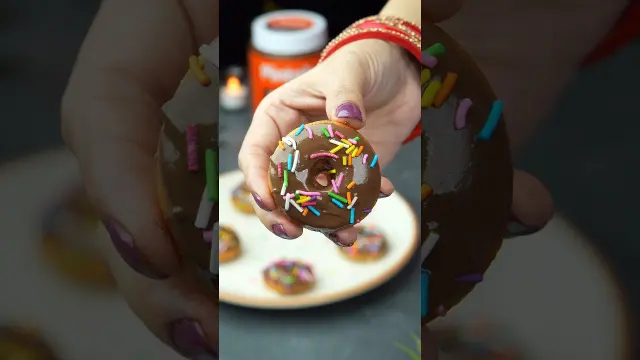
 Easy and soft chocolate bread donut recipe
#Chocolate Donut
1 ideas
Easy and soft chocolate bread donut recipe
Get new #Chocolate Donut ideas by email
Every Thursday: the week's best ideas, with the newest from #Chocolate Donut.
Related tags
Chocolate Donuts Guide
Chocolate Donuts
Chocolate donuts are a classic sweet treat made with chocolate in the dough, the coating, the glaze, or all three. They can be baked or fried, ring-shaped or filled, simple or decorated. At their best, they balance a soft, tender crumb with a rich chocolate flavor and just enough sweetness to keep each bite light rather than heavy.
Donuts themselves have a long history as a fried dough pastry enjoyed in many forms across different cultures. The chocolate version is a later variation built on the same basic idea: a dough that is shaped, cooked, and finished with a sweet topping. Chocolate is used in different ways depending on the recipe. Some donuts rely on cocoa in the batter for a deep, familiar taste. Others are coated with a chocolate glaze, dipped in melted chocolate, or filled with chocolate cream. Some combine several of these for a more indulgent result.
Main Styles
Read more
There are a few common kinds of chocolate donuts:
- Yeast donuts: light, airy, and slightly chewy, with a bread-like texture
- Cake donuts: denser, softer, and quicker to make, with a more crumbly bite
- Filled donuts: often round and piped with chocolate cream, custard, or ganache
- Ring donuts: usually glazed or iced, with an open center that holds toppings well
- Mini donuts: small, easy to serve, and good for casual snacking or sharing
Each style has its own charm. If you like a fluffy texture, yeast donuts are a good choice. If you prefer something more tender and simple, cake donuts may suit you better.
What Makes a Good Chocolate Donut
A good chocolate donut should taste balanced. Too little chocolate can make it bland, while too much can overwhelm the dough. Texture matters just as much as flavor. Donuts should be soft, but not greasy; rich, but not dry. The best results often come from mixing chocolate into the batter and adding a glaze or topping for extra finish.
For beginners, it helps to keep the recipe simple. Start with a straightforward dough and one main chocolate element, such as cocoa in the batter or a basic glaze. Once you’re comfortable, you can try fillings, drizzles, or layered finishes.
Practical Tips
- Measure ingredients carefully, especially flour and cocoa, because small changes can affect texture
- Avoid overmixing the batter, which can make donuts tough
- Let yeast dough rise fully for a lighter result
- Cool donuts before glazing so the coating sets properly
- If you bake donuts, use a pan made for donut shapes for even results
- If you fry donuts, keep the oil at a steady temperature so they cook evenly and don’t absorb too much fat
Serving and Decorating
Chocolate donuts are easy to adapt to different tastes. You can keep them plain with a light glaze, dust them with cocoa or powdered sugar, or decorate them with chopped nuts, sprinkles, coconut, or a simple drizzle of white or dark chocolate. For a more polished look, a smooth glaze and a neat topping are often enough.
Whether you make them for breakfast, dessert, or a special treat, chocolate donuts are appealing because they are familiar, versatile, and comforting. With a few basic techniques, you can make them at home in many forms and adjust the richness to suit your taste.
#Chocolate Donut: frequently asked questions
How do I start making chocolate donuts if I've never made donuts before?
Begin with a simple dough and just one chocolate element — cocoa in the batter or a basic chocolate glaze — so you can focus on technique rather than juggling steps. Cake-style donuts are the friendliest starting point because they come together quickly and don't need a long rise. Once those feel easy, move on to yeast dough, fillings, and layered finishes.
Which style of chocolate donut should I choose — yeast, cake, filled, ring or mini?
It depends on the texture you enjoy most: yeast donuts are light and airy with a slight chew, while cake donuts are denser, softer and quicker to make. Choose a filled donut if you want a chocolate cream or ganache center, a ring if you plan to glaze or pile on toppings, and minis for casual snacking and sharing. If you're unsure, pick based on whether you'd rather have fluffy or tender.
Should I bake or fry chocolate donuts at home?
Baking is tidier and more predictable — use a pan shaped for donuts so the rings come out even. Frying gives the classic puffy result, but you need to hold the oil at a steady temperature so the donuts cook through without soaking up fat. Either way, the dough and chocolate balance matter more than the method.
How do I get the chocolate glaze to set and look neat?
Let the donuts cool completely before glazing, since a warm surface makes the coating slide off and stay tacky. Keep the glaze smooth and dip or spread it evenly, then add any toppings right away while it's still wet so they stick. A simple, well-applied glaze with one tidy topping usually looks better than an elaborate finish.
What mistakes make chocolate donuts turn out tough or greasy?
Overmixing the batter is the usual culprit behind a tough, chewy crumb, and skipping the full rise on yeast dough leaves them heavy rather than light. Greasiness tends to come from frying at an uneven temperature, while dryness comes from baking too long or adding too much cocoa and flour. Measuring flour and cocoa carefully avoids most texture problems before they start.
How can I serve chocolate donuts for a special occasion?
Chocolate donuts work for breakfast, dessert, or a gathering, and they're easy to dress up to match the mood. Keep them plain with a light glaze and a dusting of cocoa, or decorate with chopped nuts, coconut, sprinkles, or a drizzle of white or dark chocolate. Minis are especially handy for parties because they're small, shareable, and simple to serve.
Videos come from YouTube and posts from Instagram; titles and summaries are our own. All rights belong to their creators.