 Pastry Students Recreate A Giant Chocolate Panda Sculpture
#Chocolate Sculpture
6 ideas
Pastry Students Recreate A Giant Chocolate Panda Sculpture
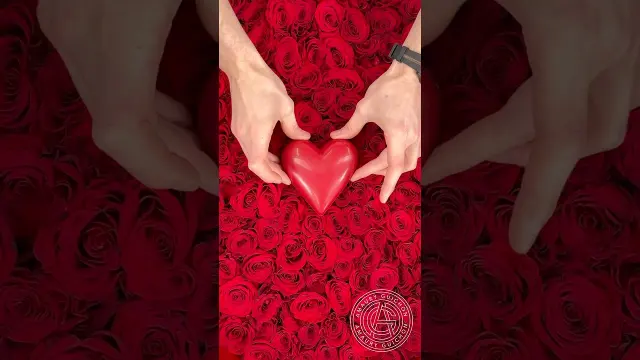 Sculpted Chocolate Heart Creation by Amaury Guichon
 Crafting The Nightmare Before Christmas Characters In Chocolate
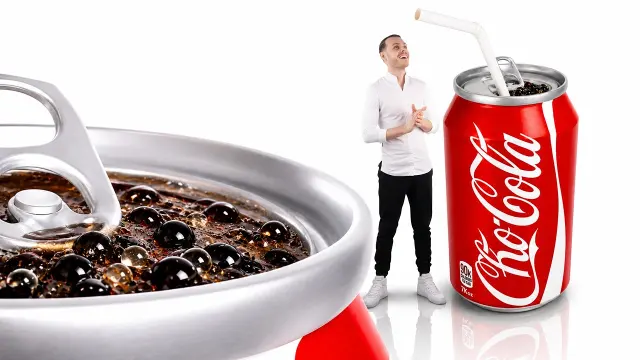 Turning A Coca-Cola Can Into An Edible Chocolate Creation
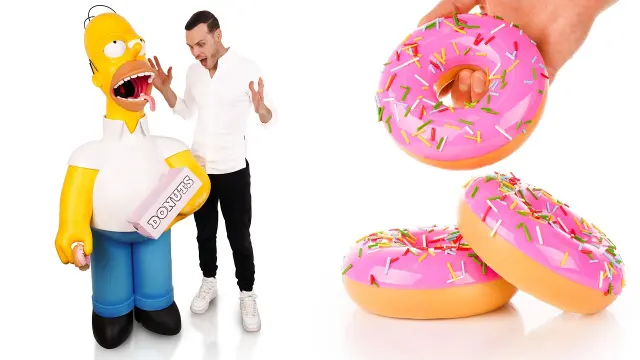 Building A Life-Sized Homer Simpson Sculpture Out Of Chocolate
 Sculpting A Giant Woody From Toy Story Entirely Out Of Chocolate
Get new #Chocolate Sculpture ideas by email
Every Thursday: the week's best ideas, with the newest from #Chocolate Sculpture.
Related tags
Chocolate Sculpture Guide
Chocolate sculpture is the art of shaping chocolate into decorative forms, from simple molded shapes to intricate figures, flowers, animals, and display pieces. It sits between pastry work and fine craft, combining the flavor and texture of chocolate with the patience of sculpting. You will often see it used for special celebrations, dessert displays, competitions, and edible centerpieces.
What chocolate sculpture is
Unlike ordinary chocolate decoration, sculpture turns chocolate into a building material. It can be poured, molded, layered, carved, or assembled into three-dimensional forms. Because chocolate changes with temperature and handling, the craft asks for careful timing and a steady hand. The finished piece may be fully edible, though some showpieces are made mainly for display.
How it is made
Read more
The process usually starts with choosing the right chocolate or chocolate-based medium. Some sculptors work with tempered chocolate for a glossy finish and a clean snap. Others use modeling chocolate, which is softer and more forgiving, especially for shaping details. For larger pieces, chocolate may be cast into molds, poured into sheets, or built around internal supports.
Common methods include:
- Tempering and casting for smooth, polished surfaces
- Molding for repeated shapes and clean lines
- Carving from solid chocolate blocks
- Layering and assembling smaller parts
- Using modeling chocolate for figures and fine detail
Main styles
Chocolate sculpture can range from minimalist to highly realistic. Some pieces focus on geometry and smooth surfaces, while others imitate people, animals, objects, or fantasy forms. Display work often aims for height, balance, and visual drama. More intimate pieces may be small table decorations, dessert toppers, or delicate decorative accents.
The style you choose depends on your goal. If you want a clean, elegant look, simple shapes and polished surfaces work well. If you want character and expression, modeling and hand-finishing give you more freedom.
What beginners should know
If you are just starting, begin with small forms. Chocolate can be sensitive to heat, moisture, and rough handling, so simple projects are the best way to learn control. Practice tempering if you want a glossy, professional finish. If you find tempering difficult at first, modeling chocolate can be a friendlier starting point for sculpting.
A few useful tips:
- Keep your workspace cool, dry, and organized
- Use clean tools and dry hands
- Work in stages so the chocolate can set between steps
- Plan the structure before you start, especially for tall pieces
- Keep designs simple until you understand how the chocolate behaves
A craft of patience and precision
Chocolate sculpture rewards calm, steady work. It teaches you how to think about shape, balance, texture, and proportion while respecting a material that can soften or break easily. Whether you make a small decorative piece or an elaborate centerpiece, the charm of the craft lies in turning something familiar into something surprising and beautiful.
Videos come from YouTube and posts from Instagram; titles and summaries are our own. All rights belong to their creators.