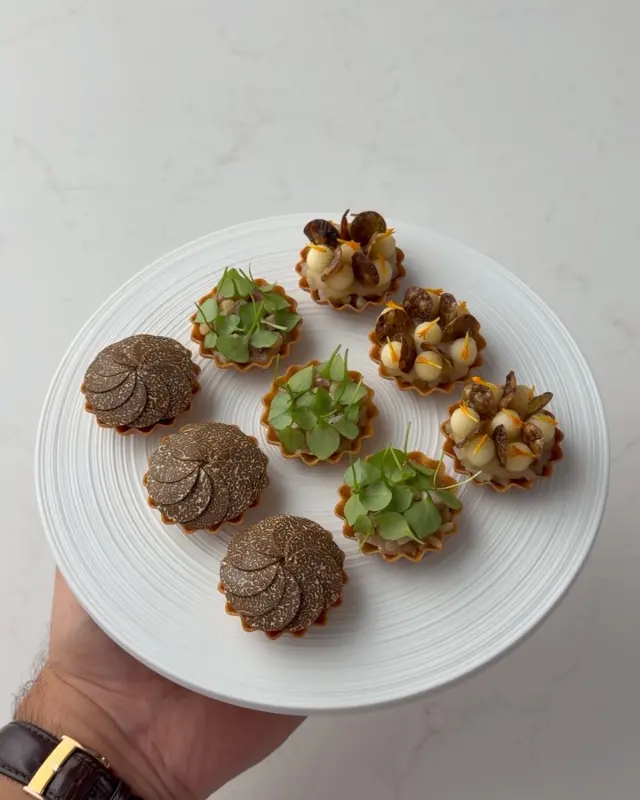
 Three Christmas Tartelettes: Artichoke, Pork Belly and Shrimp
#Christmas Recipes
2 ideas
Three Christmas Tartelettes: Artichoke, Pork Belly and Shrimp
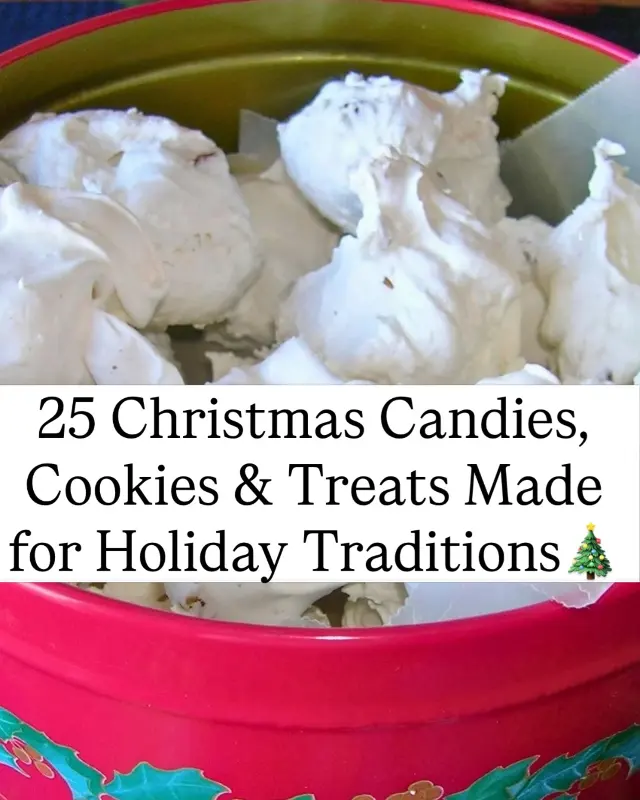 Delicious Christmas treat recipes and homemade food gift ideas
Get new #Christmas Recipes ideas by email
Every Thursday: the week's best ideas, with the newest from #Christmas Recipes.
Related tags
Christmas Recipes: A Warm Guide to Festive Cooking
Christmas cooking is less a single cuisine than a season-long habit of gathering. Across many countries, the dishes served in late December grew out of two old instincts: feasting in the darkest part of the year, and using up what had been preserved in autumn — cured meats, dried fruit, nuts, root vegetables, butter and sugar set aside for a celebration. Religion shaped the menu too, with fasting periods before the feast, and with sweets that were once reserved for holidays simply because their ingredients were expensive.
What the table usually holds
Most Christmas menus follow a similar shape, even when the flavours differ. There is a centrepiece, often roasted: poultry, game, beef, pork, or in many coastal places a large fish. Around it sit potatoes, braised cabbage or sprouts, root vegetables, and something sharp or fruity to cut the richness. Then come the sweets, which are where families are most loyal and most argumentative.
Baking is the heart of the season for many cooks. You will find spiced biscuits and gingerbread, fruit cakes matured for weeks, sweet breads studded with dried fruit and nuts, and pastries filled with almond or fruit paste. In Italy a tall domed yeast cake appears; in Germany a rich stollen; in Britain a dark fruitcake with marzipan; elsewhere, fried dough in syrup, rice puddings, or a cream-filled roll. None of these is more correct than another — each is a local answer to the same question of how to make winter feel generous.
Read more
Sweets as gifts
A large share of Christmas cooking is not for the table at all. Jams, chutneys, flavoured salts and sugars, spiced nuts, biscuits, fudge, and bottles of sloe gin or similar infusions are made in batches to be wrapped and given away. This is a good place for beginners: preserves and biscuits forgive small mistakes and keep well, and a filled jar looks far more impressive than the effort involved.
Practical notes for beginners
- Choose one ambitious dish and keep the rest simple. Timing, not skill, is what usually goes wrong on the day.
- Read a recipe through before starting, and weigh everything out first. Festive baking is often rich and expensive; mistakes are costly.
- Fruit cakes and many sweet breads improve if made ahead and stored properly, which also spreads the work over quieter days.
- Watch sugar and butter carefully when caramelising or making confectionery; hot sugar burns badly and behaves unpredictably in humid weather.
- Cook to temperature and rest roasted meat before carving rather than guessing by time alone.
- Write down what you changed. The recipe you build over a few years becomes the one people ask for.
Above all, Christmas recipes are a record of other people's tables. Ask an older relative to cook alongside you once, and take notes — the details that never make it into written recipes are usually the ones worth keeping.
#Christmas Recipes: frequently asked questions
How should a beginner start cooking for Christmas?
Pick one dish you actually want to be ambitious about and keep everything else around it simple, since timing rather than skill is what usually goes wrong on the day. Read the recipe end to end before you shop, then weigh and lay out every ingredient before you begin. Starting with something that keeps well, like a fruit cake or a batch of biscuits, lets you spread the work over quieter days.
What do I need in the kitchen for a Christmas menu?
You need a reliable oven thermometer and a temperature probe far more than special equipment, because festive cooking involves rich bakes and roasted centres that fail when guessed at by time alone. Stock up on the preserved staples the season is built on: dried fruit, nuts, butter, sugar, and something sharp or fruity to cut the richness of the main dish. A set of jars and a roll of ribbon are worth having if you plan to give food away.
Which Christmas recipes should I choose?
There is no single correct menu, so choose by what your own table would recognise rather than by what looks most impressive online. A roasted centrepiece with potatoes, a braised vegetable and something fruity or sharp is a shape that works almost anywhere. For sweets, one spiced bake and one make-ahead cake is plenty for most households.
How do I store festive bakes and make them last?
Rich fruit cakes and many sweet breads actually improve if they are baked well ahead and stored properly, wrapped and kept somewhere cool and dark. Biscuits and preserves forgive small errors and keep for a long time, which is why they suit people making gifts. Anything with fresh cream or pastry should be left until close to serving.
What are good homemade food gifts for Christmas?
Jams, chutneys, flavoured salts and sugars, spiced nuts, biscuits, fudge, and bottled infusions are all made in batches and wrapped well. A filled jar looks far more impressive than the effort it took, and these keep well enough to prepare early. Save the fussier items for people who will eat them straight away.
What mistakes should I avoid when cooking at Christmas?
The usual ones are trying too many complicated dishes at once, starting without reading the recipe through, and guessing when a roast is done. Watch sugar and butter closely when caramelising, since hot sugar burns badly and behaves unpredictably in humid weather, and let roasted meat rest before carving. Keep a note of what you changed so the version you build over a few years becomes the one people ask for.
Videos come from YouTube and posts from Instagram; titles and summaries are our own. All rights belong to their creators.