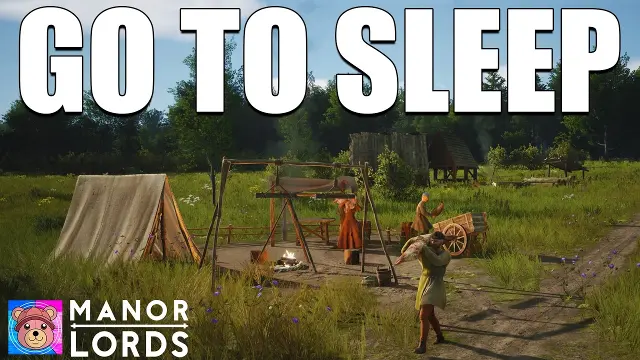
 Relaxing Manor Lords Village Building for Background Viewing
#City Builder
2 ideas
Relaxing Manor Lords Village Building for Background Viewing
 Ten New City-Builder Games Worth a Look This Year
Get new #City Builder ideas by email
Every Thursday: the week's best ideas, with the newest from #City Builder.
Related tags
City Builder Games: A Beginner's Guide to the Genre
A city builder is a game about planning a settlement and watching it grow. You place the roads, decide where homes, workshops and shops may stand, and keep the whole thing running as people arrive. There is rarely a single enemy to defeat. The challenge comes from your own layout: a choice made in the first hour can still be shaping your town much later.
Where the idea comes from
The genre grew out of two older traditions: urban-planning simulation, where a model city is used to test ideas, and tabletop and toy-town play, where the pleasure is in arranging pieces into something coherent. Digital city builders emerged once computers could track thousands of small decisions at once. They have since spread into many moods, from strict economic puzzles to quiet, almost meditative building.
The main kinds
Read more
- Classic grid builders: strict plots, clear zoning and a strong budget to balance. Best for people who like tidy systems.
- Organic and historical builders: uneven ground, winding paths and period architecture, with growth that follows terrain rather than a grid.
- Survival and colony hybrids: your settlement must also feed itself, stay warm and survive the environment.
- Cozy and minimalist builders: few numbers, gentle pacing, room to decorate and no failure state to speak of.
- Transport-led builders: the city matters less than the network of roads, rails and lines connecting it.
Many games mix these freely, which is why the label covers so much.
What beginners should know
Start small. A common mistake is to plan a grand metropolis before you understand how the basics behave. Build one neighbourhood, let it run, and see what it asks for.
Follow demand rather than your imagination. Most builders signal what residents want next, whether that is housing, work or services. Ignoring those signals produces a beautiful town nobody wants to live in.
Leave room to grow. Wide roads, spare space between districts and a little empty land near the centre will save you from demolishing your own work later.
Watch the budget, but do not fear it. A slow, slightly boring economy is usually healthier than a fast one that collapses.
Practical tips
- Pause often, especially early on, and study the map before you commit.
- Fix traffic and access before you add more buildings; congestion is the quiet cause of most decline.
- Keep services like water, waste and safety close to where people live, not tucked away at the edge.
- Save before a big redevelopment so you can change your mind freely.
- Play the first town as practice. Your second will be better, and your third better still.
City builders reward patience more than speed. Take your time, look at what your town is telling you, and enjoy the slow satisfaction of a street that finally works.
#City Builder: frequently asked questions
What is a city builder game, exactly?
It is a game where you design and manage a settlement rather than control a character, placing roads, housing and workplaces and then watching the place respond. The opposition is your own planning: a layout that works early can quietly cause problems later. The appeal is seeing a system you built slowly come to life.
How do I get started without getting overwhelmed?
Pick one small area and build a single functioning neighbourhood instead of sketching a whole metropolis. Let it run for a while and notice what it starts asking for, then expand from there. Think of your first attempt as a rehearsal rather than a project you have to get right.
Which type of city builder should I choose?
If you enjoy tidy systems and balancing a budget, a strict grid-based game will suit you. If you would rather decorate and unwind, look for a gentle, low-pressure builder with little to manage. Colony and survival hybrids are better for people who like a challenge layered on top of the building.
What are the most common beginner mistakes?
Overbuilding too early is the classic one, because upkeep piles up faster than income and the town stalls. Another is ignoring what residents are signalling they need and adding whatever looks attractive instead. Leaving no spare space between districts is a third, since it forces you to tear down your own work later.
Are there city builders that are relaxing rather than stressful?
Yes, a whole quiet corner of the genre exists with minimal numbers, unhurried pacing and no real way to fail. These are good for playing while listening to something else or winding down in the evening. If you still want stakes, hybrids that mix building with light survival elements offer tension without a punishing difficulty curve.
How do I keep a growing town from falling apart?
Sort out access and movement before adding more buildings, because blocked roads and poor connections cause more decline than anything else. Keep essential services near the people who use them rather than tucked away on the outskirts, and save before any large rebuild. Pausing to study the map before committing is always worth the time.
Videos come from YouTube and posts from Instagram; titles and summaries are our own. All rights belong to their creators.