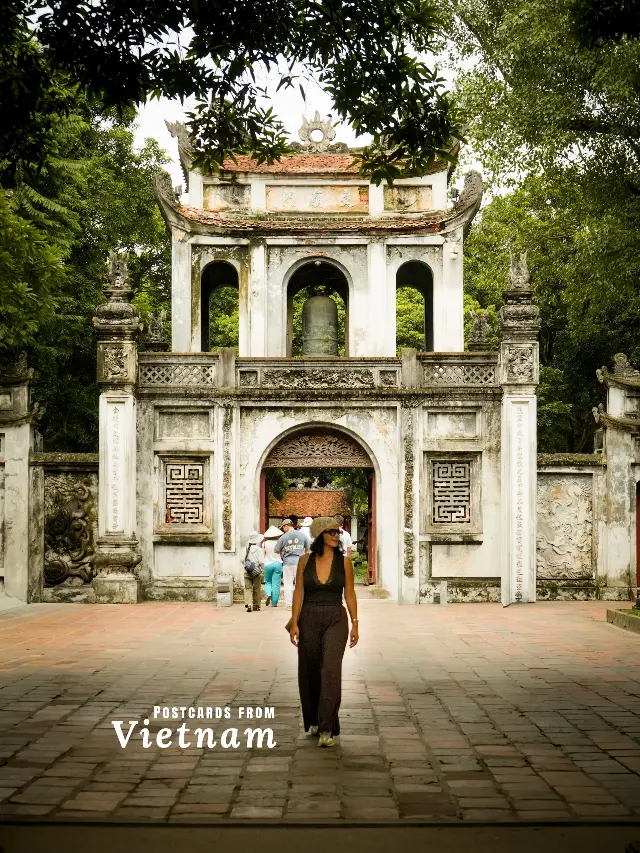
 Hanoi Itinerary: Temples, Train Street and Old Quarter Cafes
#City Itinerary
1 ideas
Hanoi Itinerary: Temples, Train Street and Old Quarter Cafes
Get new #City Itinerary ideas by email
Every Thursday: the week's best ideas, with the newest from #City Itinerary.
Related tags
How to Plan a City Itinerary: A Practical Guide
A city itinerary is simply a plan for how you will spend your time in a place: which neighbourhoods you will walk, what you hope to see, where you will eat and how you will get from one point to the next. It sounds bureaucratic, but done well it is the opposite. A good itinerary removes the small decisions that eat a day — where to go first, whether to backtrack, what to do when it rains — so that you arrive somewhere with attention to spare for the place itself.
Itineraries come in a few broad shapes. The classic sightseeing plan clusters a city's headline sights into a logical loop. The neighbourhood plan gives up on coverage and spends a whole day in two or three adjacent districts, which usually produces the better memories. The themed plan organises everything around one interest — food, architecture, markets, gardens, churches, live music — and is a good choice when you have been somewhere before. There is also the loose plan, where you fix one anchor in the morning and one in the evening and leave the middle of the day open.
Start from the map, not the list
Before you choose anything, look at where things actually are. Most disappointing itineraries are not too full, they are badly shaped: two sights on opposite sides of the city, an hour lost in the middle of the afternoon. Group what is close together, mark the things that sit on the same metro line or riverbank, and accept early that you will not see everything. That is not a failure of planning; it is the normal condition of visiting a city.
Read more
Build around your own hours
Think honestly about when you have energy. Some people are at their best at eight in the morning and want a museum before the crowds; others need a slow breakfast and a long walk before anything indoor. Put the thing you care most about at your best hour, and leave the low-effort stops — a park, a café, a market — for the slump after lunch. A realistic day holds one major sight, one substantial walk, one proper meal and two or three smaller stops. More than that and the day starts to blur.
Leave room for the unplanned
The best things in a city are rarely on the schedule: a side street that turns out to be a market, a square where a wedding is being photographed, a bookshop you stay in for an hour. Keep at least one afternoon deliberately unbooked, and treat it as part of the plan rather than a gap in it.
Practical habits
- Write the itinerary down, but keep it short enough to remember.
- Note opening days before you build a day around a place; many museums and religious buildings close one day a week.
- Check whether the city rests on a particular day, and plan a quieter activity then.
- Book only what genuinely sells out, and only for the times you are sure of.
- Learn the basics of the local transport card or ticket system before you arrive.
- Eat where the queue is local, and eat earlier or later than the rush.
- Build in one slow morning for every three busy days.
- Save a short list of rainy-day alternatives: a gallery, a covered market, a long lunch.
Finally, remember what the itinerary is for. It should hold the shape of the day without dictating its texture. If you find yourself leaving somewhere wonderful because the plan says so, the plan has stopped doing its job — and you are allowed to ignore it.
#City Itinerary: frequently asked questions
How do I start planning a city itinerary?
Begin with a map rather than a wish list: mark the places you care about and see which ones actually sit near each other. Group what is close together or shares a metro line, then accept that you will not see everything. From there, sketch a shape for the day instead of a rigid timetable.
What do I need before building an itinerary?
You mainly need to know where things are, when they open and how the local transport works. Note closing days, since many museums and religious buildings rest once a week, and check whether the city itself slows on a particular day. Booking should be limited to the few things that genuinely sell out.
Which kind of city itinerary should I choose?
It depends on whether you are new to the place and what you enjoy. A classic sightseeing loop suits a first visit, while a neighbourhood plan — spending a day in two or three adjacent districts — usually leaves better memories. If you have been before, organise the day around one interest, or set a morning and an evening anchor and leave the middle loose.
How do I keep an itinerary from becoming exhausting?
Match the plan to your own energy rather than to an ideal of productivity. Put the thing you care about most at your best hour, and save parks, cafés and markets for the afternoon slump. A realistic day holds one major sight, one real walk, one good meal and a couple of smaller stops.
What are common mistakes when planning a city day?
The usual failure is bad shape rather than too much content: two sights on opposite sides of the city, or a cross-town trip in the middle of the afternoon. Overbooking is the other one, as is forgetting a short list of rainy-day alternatives like a gallery or a covered market. Keep the written plan short enough that you can actually remember it.
Should I leave unplanned time in my itinerary?
Yes — keep at least one afternoon deliberately free and count it as part of the plan rather than a gap in it. The best moments in a city tend to be unscripted: a side street that turns out to be a market, a bookshop you stay in for an hour. If the plan makes you leave somewhere wonderful, it has stopped doing its job.
Videos come from YouTube and posts from Instagram; titles and summaries are our own. All rights belong to their creators.