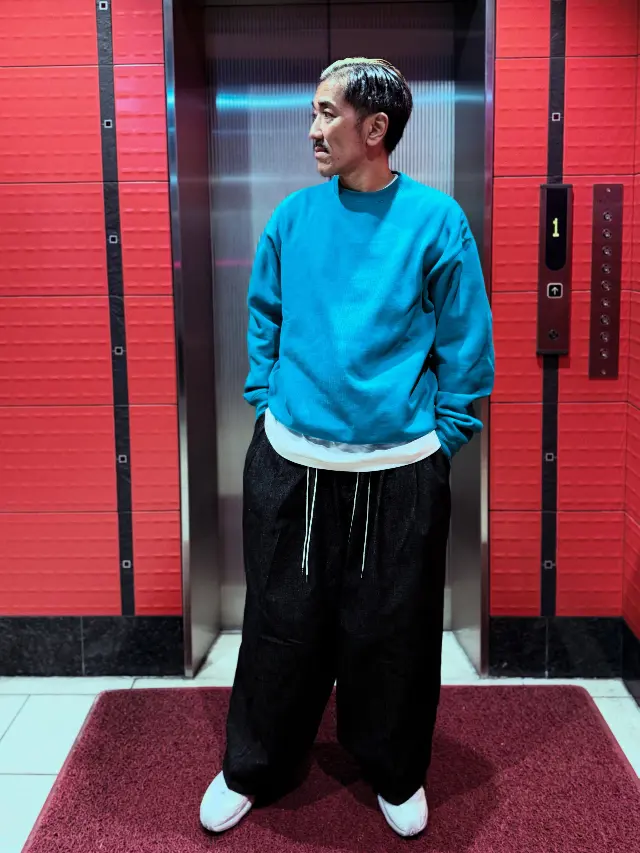
 Seasonal outfit post shot among the city's holiday lights
#City Style
2 ideas
Seasonal outfit post shot among the city's holiday lights
 New York City Street Style and Fashion Trends
Get new #City Style ideas by email
Every Thursday: the week's best ideas, with the newest from #City Style.
Related tags
City Style: Urban Fashion, Everyday Looks and Street Inspiration
City style is the way people dress in towns and cities, where the pace of daily life, the built environment and the mix of cultures all leave a mark on what we wear. It is not a single look but a broad idea: clothing chosen for walking, commuting, working and socialising, often balancing comfort with a wish to stand out. Because cities are crowded with different people, city style is one of the most varied forms of dress, moving from tailored business wear to relaxed weekend layers within a few streets.
Where it comes from
Urban dress has always been shaped by practical needs. Long before it was photographed, people in cities dressed for paved streets, public transport, changing weather and long days on their feet. Over time, street photography turned the everyday into something worth noticing: what people wear on their way to work became an inspiration in its own right. City style borrows from workwear, sportswear, tailoring and traditional dress alike, and it has always been a place where local culture and global influence meet.
Main styles you might see
Read more
- Minimalist urban dressing: simple shapes, restrained colours and good fabrics, with a few well-chosen pieces doing the work.
- Smart casual: structured blazers, knitwear and clean trousers that move easily between office and evening.
- Streetwear: trainers, hoodies, denim and layered pieces, often worn for comfort and self-expression.
- Workwear-inspired: jackets, hard-wearing trousers and solid boots, adapted for everyday city life.
- Tailored city dressing: suits and coats cut for walking, sitting and commuting rather than for a single occasion.
Most people in a city mix these freely, and that mixing is the heart of the look.
What beginners should know
Start with a small wardrobe that fits your actual life: how far you walk, whether you cycle, what your workplace expects and how your weather behaves. Shoes matter more than anything else in a city, so choose ones you can genuinely wear for hours. Layers are your friend in changeable conditions, and a good coat or jacket does much of the work of an outfit.
Fit is worth more attention than labels. A simple shape that suits your body and sits right will look better than a more elaborate piece that does not. Colours that combine easily give you more outfits from fewer clothes.
Practical tips
- Build around a neutral base, then add one or two pieces with character.
- Choose fabrics that cope with weather and repeated wear.
- Take care of your clothes — clean shoes and mended seams change how an outfit reads.
- Watch what people actually wear on the streets around you, and borrow ideas rather than copying whole looks.
- Let your clothes match your real routine first, and your mood second.
City style is personal and forgiving. It rewards attention to what you genuinely need, and it leaves plenty of room to look like yourself.
#City Style: frequently asked questions
How do I start building a city style wardrobe if I'm basically starting from nothing?
Begin with the life you actually live — how you get around, what your days demand and what the weather throws at you — then buy for those conditions rather than for an imagined version of city living. Pick a small neutral base of pieces that combine with each other, and put your first real investment into footwear, since you'll be on your feet far more than you expect. Add one or two items with personality once the basics are earning their place.
Which city style should I choose — minimalist, smart casual, streetwear or workwear?
Most city wardrobes aren't a single style, and forcing yourself into one category usually makes getting dressed harder rather than easier. Look at the pieces you already reach for, notice which of those directions they lean toward, and build outward from there. A tailored jacket over streetwear basics, or workwear boots under a clean minimal outfit, is often more convincing than a fully committed look.
What should I wear for a day of walking, commuting and being out in the city?
Comfort under movement is the deciding factor: shoes you can genuinely walk in for hours, fabrics that handle weather and repeated wear, and layers you can remove or add as the day shifts. A good coat or jacket carries most of the outfit, so it's worth more attention than anything underneath it. Test new pieces on a real errand day before trusting them for a long one.
How do I care for city clothes so they keep looking good?
City dressing takes a beating from pavement, crowds and weather, so small maintenance goes further than most people expect — clean shoes, mended seams and freshly pressed basics change how an entire outfit reads. Follow the care guidance on each garment and give hard-wearing pieces a rest between wears. Storing things with a little breathing room also keeps shapes and fabrics from deteriorating.
What are the common mistakes people make when dressing for city life?
The usual one is buying for how an outfit photographs rather than for the walking, sitting and commuting it has to survive. Chasing labels over fit is the second — a simple shape that suits you beats an elaborate piece that doesn't sit right. Skipping the practical layer, or the shoes, is what usually makes a good-looking outfit fail by mid-afternoon.
Any ideas for city outfits that go from the working day into an evening out?
Build the daytime outfit so one element can carry it into the evening: a structured blazer, a distinctive coat or a stronger shoe does most of the transition work with almost no effort. Keep the base simple and neutral so swapping or adding a single piece shifts the whole look. Seasonal streetscapes — holiday lights, lit-up squares — also reward a slightly bolder layer that reads well in low light.
Videos come from YouTube and posts from Instagram; titles and summaries are our own. All rights belong to their creators.