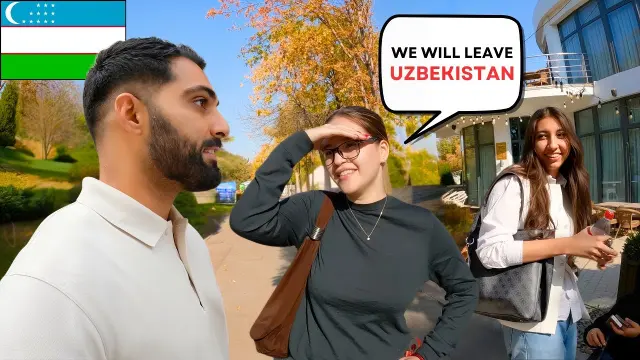
 First Impressions of Tashkent in Uzbekistan
#City Tour
1 ideas
First Impressions of Tashkent in Uzbekistan
Get new #City Tour ideas by email
Every Thursday: the week's best ideas, with the newest from #City Tour.
Related tags
City Tours: A Beginner's Guide to Exploring a New Place
A city tour is a guided or self-guided way of getting to know an urban place — its history, its neighbourhoods, its food, its architecture — in a structured stretch of time. It exists because a city rarely explains itself. Streets that look ordinary to a visitor can carry centuries of meaning, and a good tour is the shortcut between arriving somewhere and actually understanding it.
How city tours came about
Guided travel is old, but the modern city tour grew alongside railways, cheap printing and the idea of leisure travel for ordinary people. As cities became larger and more complex, walking routes, guidebooks and professional guides emerged to make them legible. Today the form has multiplied: everything from a two-hour stroll with a volunteer to a multi-day deep dive.
The main kinds
Read more
- Walking tours: the classic. Slow, cheap, and the best way to notice detail. Usually focused on a historic core or a single theme.
- Bus or coach tours: cover distance fast and suit limited mobility or very short visits, at the cost of closeness.
- Food and market tours: the city read through what it eats, often the quickest route into local culture.
- Architectural and photography tours: organised around looking rather than storytelling.
- Bike and boat tours: a middle pace, good where the terrain or geography allows.
- Self-guided tours: maps, audio guides or written routes you follow alone, at your own speed.
- Themed tours: literature, music, migration, nightlife, or a particular era.
What beginners should know
Decide first what you want the tour to do: orient you, teach you, or feed you. A tour that tries to do all three in ninety minutes does none of them well. Check the length and the terrain honestly — cobblestones and hills matter — and ask whether the group size is small enough to hear and ask questions. For paid guides, tipping conventions vary by city and by type of tour; ask in advance rather than guessing at the end.
Group tours reward attention more than enthusiasm. Stand close, ask one good question, and you will get far more than from a dozen photographs. If the guide's account feels rehearsed, that is normal — the job is to compress a great deal into a short time.
Practical tips
Wear shoes you have already broken in. Carry water and a light layer; weather changes and tours rarely pause for it. Keep your bag in front in crowded areas and leave valuables behind. Arrive early enough to find the meeting point without stress — the first ten minutes are usually the worst of any tour. Tell the guide early if you need to move slowly or leave partway.
Finally, treat the tour as a map rather than the territory. Its real value is what you do afterwards: the street you return to, the building you now recognise, the neighbourhood you would otherwise have skipped. A good tour leaves you curious, not finished.
#City Tour: frequently asked questions
How do I pick the right kind of city tour for a first visit?
Start by deciding what you want the tour to do for you: orient you in an unfamiliar place, teach you the history, or introduce you through food. A walking route through a historic core is the classic choice when you want detail and closeness, while a bus or coach tour makes more sense if time is tight or walking is difficult. Trying to cover everything at once usually means doing none of it well.
Can I explore a city without a guide?
Yes, and self-guided routes are a well-established option: maps, audio guides and written itineraries let you move at your own pace and stop where you like. The trade-off is that you lose the local context and the chance to ask questions, which is where a guide earns their keep. Many visitors do a short guided introduction first and then wander on their own.
What should I bring and wear for a city walking tour?
Broken-in shoes matter more than anything else, because cobblestones and uneven pavements punish new footwear quickly. Carry water and a light extra layer, since weather shifts and tours rarely pause for it, and keep your bag in front of you in crowded areas while leaving valuables behind. Arriving early enough to locate the meeting point calmly makes the opening minutes much easier.
How do I get the most out of a group tour?
Attention beats enthusiasm: stand close to the guide, listen, and ask a well-chosen question rather than drifting toward photographs. It also helps to mention early if you need to move slowly or leave partway, so the guide can keep track of you. If the commentary sounds rehearsed, that is normal — the job is compressing a lot into a short stretch of time.
What are the common mistakes people make on city tours?
The usual ones are booking a tour that tries to explain, orient and feed you all at once, ignoring how much walking and climbing the route involves, and joining a group too large to hear properly. Guessing at tipping conventions instead of asking beforehand is another avoidable awkwardness, since practice varies by city and by type of tour. Treating the tour as the whole experience rather than as a starting map is the biggest loss of all.
Which tour works well for a family outing or a special occasion?
For mixed ages or limited mobility, a bus, boat or bike tour covers distance without exhausting anyone, while a food and market route tends to keep children and reluctant walkers engaged. Themed tours built around music, literature or a particular era suit groups with a shared interest and make the outing feel like an occasion rather than a lecture. Match the pace and length to the least energetic person in the group and everyone enjoys it more.
Videos come from YouTube and posts from Instagram; titles and summaries are our own. All rights belong to their creators.