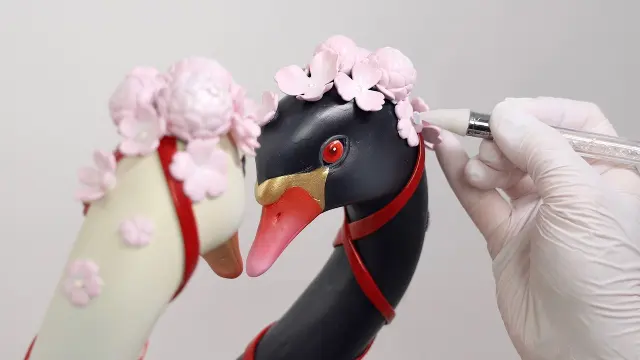
 Creating the Twin Swans Epoxy Clay Sculpture
#Clay Art
2 ideas
Creating the Twin Swans Epoxy Clay Sculpture
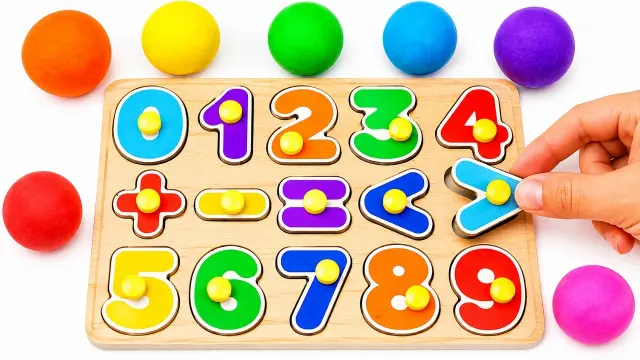 Colorful Numbers Adventure with Clay and Puzzles
Get new #Clay Art ideas by email
Every Thursday: the week's best ideas, with the newest from #Clay Art.
Related tags
Clay Art: A Creative Guide to Working with Clay
Clay art is the practice of shaping clay into useful or decorative objects by hand or with simple tools. It is one of the oldest forms of making, found in many cultures across the world, because clay is both natural and adaptable. People use it to create pottery, sculpture, tiles, beads, ornaments, and many kinds of home or craft pieces.
What clay art includes
Clay art can be very practical or purely decorative. Some pieces are made to hold food or water, while others are meant to be displayed, worn, or used in craft projects. The broad categories usually include hand-built pottery, sculptural work, and surface decoration. Within those, you may find mugs, bowls, figurines, wall hangings, charms, and decorative tiles.
Common ways of working with clay
Read more
Beginners often start with hand-building, because it does not require a wheel or advanced equipment. Basic hand-building methods include pinching, coiling, and slab construction. Pinching means shaping a small ball of clay with your fingers. Coiling uses rolled ropes of clay stacked and blended together. Slab construction uses flat pieces joined to form boxes, plaques, or simple vessels.
Some artists also use a pottery wheel to make round forms like cups and bowls. Wheel throwing takes practice, since the clay must be centered and kept evenly shaped. Sculptors may build forms by adding and subtracting clay, working slowly to create figures, animals, or abstract shapes.
What beginners should know
Clay changes as it dries, so patience matters. If it dries too quickly, it can crack. If pieces are joined before they are pressed together well, they may separate later. Keeping the clay at a workable moisture level is one of the most important habits to learn.
It also helps to understand the difference between soft clay, leather-hard clay, and fully dry clay. Soft clay is easiest to shape. Leather-hard clay is firm enough for trimming, carving, and attaching details. Dry clay is ready for firing or other finishing, depending on the material being used.
Techniques and surface ideas
Clay art is not only about the shape; the surface matters too. You can smooth clay with your fingers or a tool, carve patterns into it, press textures into it, or paint it after drying and firing if the clay type allows it. Simple tools like loops, stamps, combs, and even household objects can create interesting marks.
Glazing is another common surface finish for fired clay. It can add color, shine, and durability. Some pieces are left unglazed for a more natural look. The best finish depends on the effect you want and on how the clay will be used.
Practical tips
- Work on a clean, flat surface.
- Keep a small bowl of water nearby, but use it sparingly.
- Join pieces carefully by scoring and blending the seams.
- Let projects dry slowly and evenly.
- Start with small forms before moving to larger, more complex work.
Clay art rewards patience and touch. The more you work with it, the better you become at reading its softness, shaping it cleanly, and understanding how it behaves as it dries and hardens.
Videos come from YouTube and posts from Instagram; titles and summaries are our own. All rights belong to their creators.