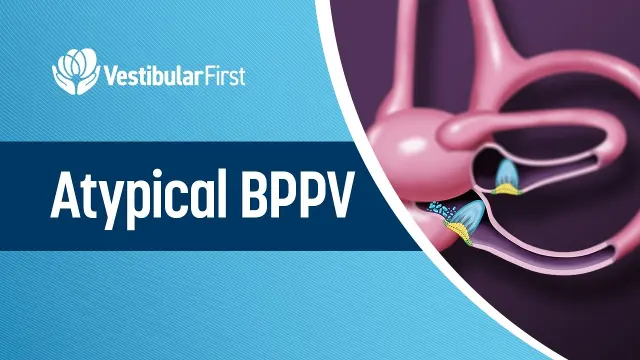
 Continuing Education Course on Atypical BPPV Diagnosis
#Clinical Diagnosis
1 ideas
Continuing Education Course on Atypical BPPV Diagnosis
Get new #Clinical Diagnosis ideas by email
Every Thursday: the week's best ideas, with the newest from #Clinical Diagnosis.
Related tags
Clinical Diagnosis: How Doctors Reason Toward an Answer
Clinical diagnosis is the work of figuring out what is causing a person's symptoms by combining conversation, examination, and selected tests. It sits at the heart of everyday medicine: before anything can be treated sensibly, someone has to decide what is most likely going on. The word "clinical" refers to the bedside — the part of medicine that happens with the patient present, rather than in a laboratory alone.
What the process actually involves
Diagnosis is rarely a single moment of recognition. It is usually a loop that repeats. The clinician takes a history — what brought you in, when it started, what makes it better or worse, what else is going on in your life and body. That conversation often carries more information than any test. Then comes a physical examination, looking and listening and feeling for signs that narrow the field. From there, a short list of plausible explanations forms, and tests are chosen to separate them.
Good clinicians deliberately think about what would be dangerous if missed, not only what is most common. That is why someone with chest pain may be checked for unlikely but serious causes before the obvious one is settled.
Read more
Patterns, and where they break down
Much of medical training is pattern recognition: certain clusters of features tend to travel together. Experienced clinicians notice these patterns quickly, which is efficient but also a known source of error, because early impressions can anchor later thinking. Deliberate reasoning — slowing down when the picture is odd, revisiting assumptions when something does not fit — is what corrects for that.
Some conditions are described as typical or atypical. Atypical presentations matter because they may not match the textbook picture, and the same illness can look different depending on age, background, and other conditions present. Recognising the atypical forms is a recurring theme in continuing education for clinicians.
Uncertainty is built in
A working diagnosis is a best current explanation, not a certainty. Language reflects this: provisional, suspected, probable, confirmed. Sometimes a diagnosis is made by exclusion, after other possibilities have been reasonably ruled out. Sometimes it changes as new information arrives, and that is a sign the process is working rather than failing.
What helps if you are the patient
- Be concrete about timing: when symptoms began, how often they occur, what triggers them.
- Mention everything you take, including supplements and anything without a prescription.
- Say what you are most worried about. It is useful information, not an imposition.
- Ask what the working diagnosis is, what it is based on, and what would change it.
- Ask what to watch for that would mean coming back sooner.
Diagnosis is a collaboration between what you can describe and what a clinician can observe. Clear, honest detail from your side makes that collaboration considerably better.
#Clinical Diagnosis: frequently asked questions
How does a clinical diagnosis actually get started?
It almost always begins with a conversation: what brought you in, when it started, and what makes it better or worse. That history is usually followed by a physical examination, and only then are tests chosen, so the early part of the process needs no preparation beyond honest detail. Being concrete about timing and triggers from the first minute gives the clinician far more to work with.
What should I bring or prepare before an appointment where something needs to be figured out?
A simple list helps: when each symptom began, how often it happens, what seems to set it off, and everything you take, including supplements and anything bought without a prescription. It is also worth writing down the one thing you are most concerned about, since that steers which possibilities get looked at first. Notes are useful because details that seem minor often turn out to be the ones that narrow things down.
Why does the clinician sometimes test for something rare instead of the obvious cause?
Because the goal is not only to find what is most common, but to avoid missing what would be dangerous. A likely explanation can still be set aside briefly while a serious but unlikely one is checked, which is why the order of tests can look odd from the outside. It is a deliberate safety habit rather than a sign that the clinician doubts your account.
What does it mean when a diagnosis is described as suspected, probable, or working?
Those words signal how much confidence sits behind the explanation at that moment, and they are meant to be honest rather than vague. A working diagnosis can shift as new information arrives, and that revision is a sign the process is functioning properly. It is reasonable to ask what the current explanation is based on and what finding would change it.
How can I be a useful part of the process rather than just answering questions?
Say plainly what worries you most, ask what the current thinking is and what it rests on, and ask what should prompt you to come back sooner. Mentioning changes in your life, sleep, or routine can matter too, even when they seem unrelated to the complaint. Diagnosis works best as a back-and-forth between what you can describe and what a clinician can observe.
What is a common mistake people make when describing their symptoms?
The usual one is compressing everything into a single word, like "tired" or "dizzy," which hides the detail that actually distinguishes one explanation from another. Another is leaving out over-the-counter remedies or supplements on the assumption they do not count. Describing what happens, when, and what it prevents you from doing is far more useful than choosing the most impressive-sounding label.
Videos come from YouTube and posts from Instagram; titles and summaries are our own. All rights belong to their creators.