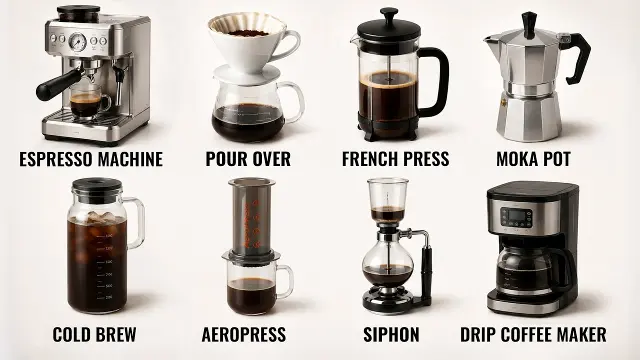
 Understanding the Core Principles of Coffee Extraction
#Coffee Brewing
15 ideas
Understanding the Core Principles of Coffee Extraction
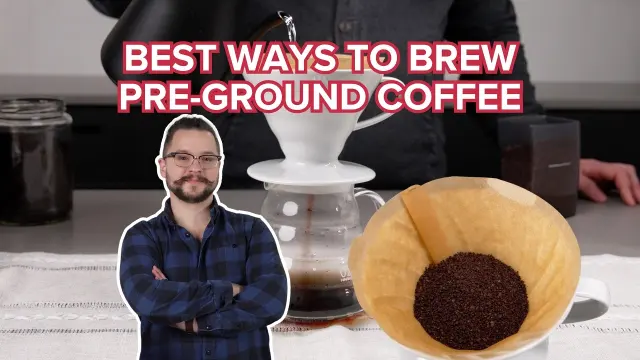 Tips and Techniques for Brewing Better Pre-Ground Coffee
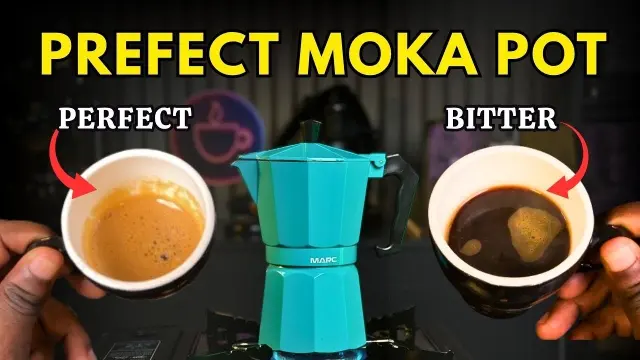 Step-by-Step Guide to Brewing Rich Moka Pot Coffee
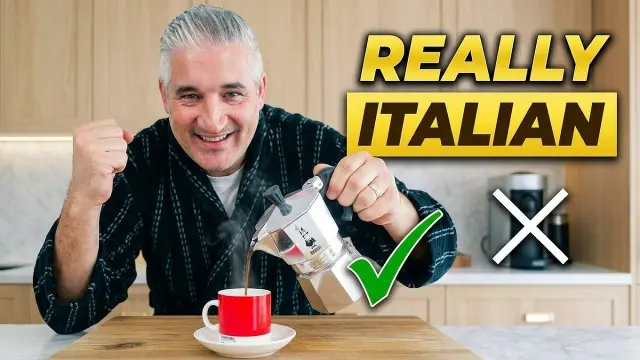 How Italians Make Stovetop Coffee Using a Moka Pot
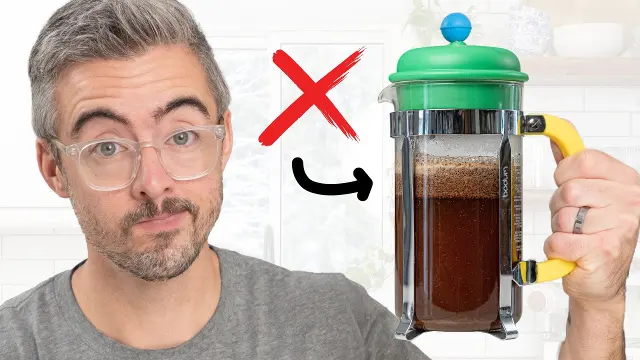 How to Fix Common Mistakes When Making French Press Coffee
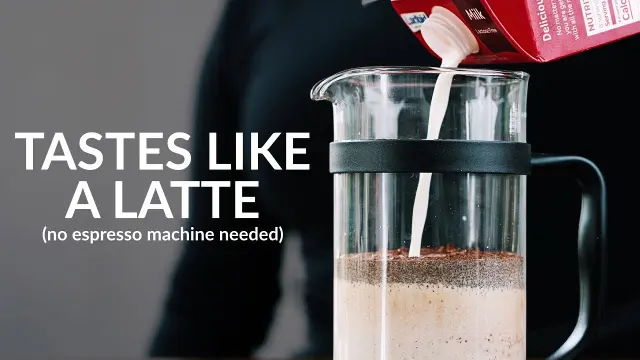 How to Make Delicious Milk-Brewed Coffee at Home
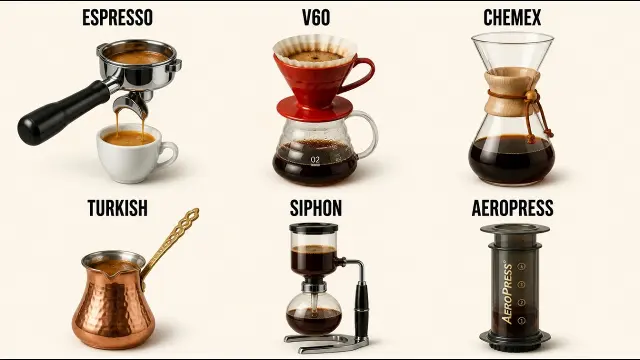 A Complete Breakdown of Popular Coffee Brewing Methods
 A Handy Guide to Popular At-Home Coffee Brewing Methods
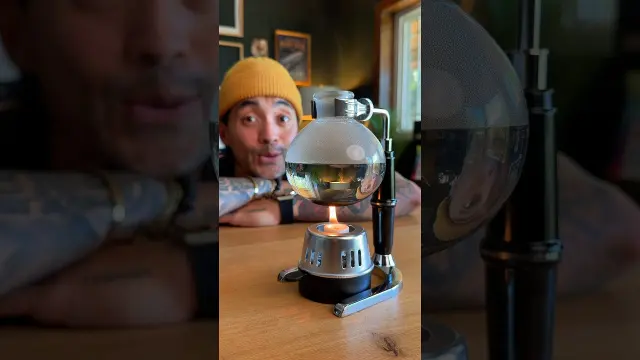 Brewing Coffee Using a Traditional Siphon Glass Maker
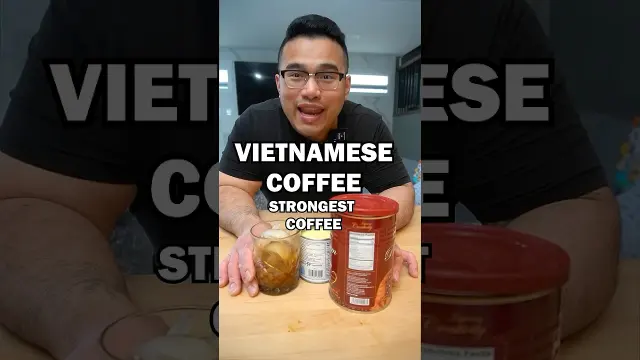 How to Brew Traditional Vietnamese Drip Coffee
 Five Hidden Causes Behind Bitter or Sour Coffee Tastes
 Why Coffee Grinder Particle Size Matters More Than Your Machine
 Understanding Coffee Strength and Total Dissolved Solids
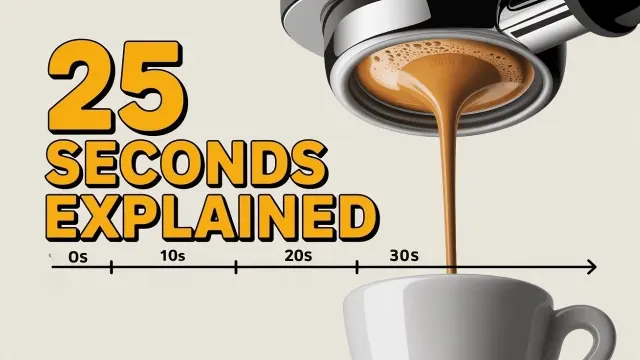 The Physics and Pressure Behind Proper Espresso Extraction
 How Water Temperature Changes Your Coffee Extraction
Get new #Coffee Brewing ideas by email
Every Thursday: the week's best ideas, with the newest from #Coffee Brewing.
Related tags
Coffee Brewing Guide
Coffee brewing is the process of turning roasted coffee beans into a drink by extracting flavor compounds with water. It is a simple idea, but many small choices affect the result: the bean, the grind, the water, the ratio, the time, and the brewing method. When these parts work together, you get a cup that tastes balanced, clear, and satisfying.
What coffee brewing means
At its core, brewing is extraction. Water passes through or soaks the ground coffee, dissolving flavors from the bean. If too little is extracted, the coffee can taste sharp, weak, or sour. If too much is extracted, it may taste bitter, dry, or harsh. Good brewing aims for a middle ground where sweetness, acidity, and body feel in balance.
Coffee can be brewed in many ways, but most methods fit into two broad styles: immersion and percolation. In immersion brewing, the grounds stay in contact with water for the full brew time, as in a French press or some cold brew methods. In percolation brewing, water moves through the grounds, as in pour-over and drip coffee. Espresso is a more concentrated method that uses pressure to force water through finely ground coffee.
Read more
The main factors that shape flavor
Grind size matters because it controls how quickly water can extract flavor. Finer grinds expose more surface area and extract faster; coarser grinds extract more slowly. If your coffee tastes sour and thin, the grind may be too coarse or the brew too short. If it tastes bitter or overly strong, the grind may be too fine or the brew too long.
Water temperature also matters. Hotter water generally extracts more quickly, while cooler water extracts more slowly. Very hot water can pull out harsh flavors if the brew is not managed carefully. Very cool water may leave the coffee under-extracted. Clean water with a neutral taste is usually best, since coffee is mostly water.
The coffee-to-water ratio affects strength and balance. More coffee relative to water gives a stronger cup, but strength is not the same as good extraction. A coffee can be intense and still taste flat if the brewing is off. Adjusting the ratio is one of the easiest ways to fine-tune your cup.
Practical tips for beginners
- Start with fresh, evenly ground coffee and use a grinder if possible.
- Use clean water and keep your equipment free of old coffee residue.
- Try one brewing method at a time so you can notice what changes.
- If the coffee tastes sour, try a finer grind, a little more brew time, or slightly hotter water.
- If it tastes bitter, try a coarser grind, a shorter brew time, or a lower ratio of coffee to water.
- Keep notes on what you change so you can repeat what works.
Learning by taste
The best way to improve your coffee is to taste carefully and change one thing at a time. Brewing is part science, part practice, and part personal preference. Once you understand extraction, grind size, temperature, and ratio, you can make a cup that suits your taste more reliably, whether you prefer something bright and delicate or rich and full-bodied.
Videos come from YouTube and posts from Instagram; titles and summaries are our own. All rights belong to their creators.