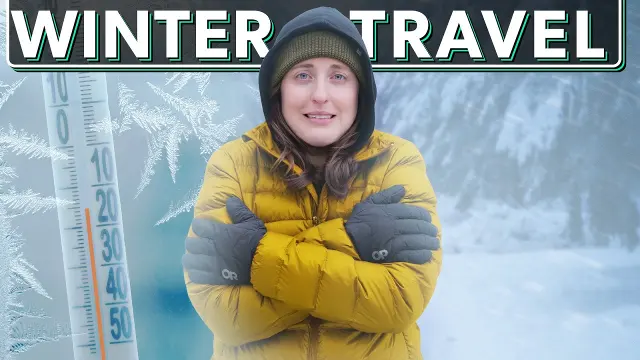
 Minimalist Packing Tips for Cold Weather Travel
#Cold Weather Travel
1 ideas
Minimalist Packing Tips for Cold Weather Travel
Get new #Cold Weather Travel ideas by email
Every Thursday: the week's best ideas, with the newest from #Cold Weather Travel.
Related tags
Cold Weather Travel Guide
What cold weather travel means
Cold weather travel covers any trip taken in low temperatures, snow, wind, or icy conditions. It can mean a city break in winter, a mountain getaway, or a visit to a place where the days are short and the air feels sharp. The main challenge is simple: staying warm, dry, and comfortable while moving between changing temperatures.
The idea is not to carry the heaviest clothes possible. It is to dress and pack in a way that helps you adapt. A warm train, a cold street, a drafty hotel room, and a snowy path can all feel very different, so flexibility matters.
The basic approach
Read more
Layering is the most useful principle in cold weather travel. Instead of relying on one thick outfit, wear several lighter layers that can be added or removed as needed.
- A base layer sits close to the skin and helps manage warmth and moisture.
- A middle layer provides insulation, such as a sweater or fleece.
- An outer layer protects you from wind, snow, and rain.
This method helps you avoid overheating indoors and getting chilled outdoors. It also makes it easier to pack lighter than you might expect.
What to pack
A good cold weather packing list is built around comfort and versatility. Choose items that work together and can be worn more than once.
- Warm socks, preferably in more than one thickness
- Gloves or mittens
- A hat that covers the ears
- A scarf or neck warmer
- Comfortable shoes or boots with enough grip for slippery ground
- Base layers that dry quickly
- One or two insulating layers
- A weather-resistant coat
If you expect snow or wet conditions, pay special attention to footwear and outerwear. Keeping your hands, feet, and head warm can make a big difference to how comfortable you feel.
Staying comfortable on the move
Cold weather travel often involves moving between indoors and outdoors. Try to dress so you can adjust easily. If you feel too warm before leaving, you may end up sweaty, and damp clothing can make you cold later.
It helps to keep a few essentials close at hand rather than buried in your bag. A scarf, gloves, and hat are useful when weather changes quickly. If you are spending long periods outside, small breaks in a warm place can help you stay comfortable.
Hydration and regular meals matter too. Cold air and busy travel days can make it easy to forget both.
Simple safety habits
Cold weather can make walking surfaces slippery and can reduce visibility in wind, snow, or fog. Take extra care with your footing and leave more time for getting around. If the weather is severe, it is sensible to rethink outdoor plans and choose safer routes.
It is also wise to check that your phone is charged and that you have a way to contact someone if plans change. If you are traveling somewhere unfamiliar, keep your route and accommodation details easy to access.
For beginners
If this is your first cold weather trip, start with the basics rather than overpacking. Focus on layers, warm accessories, and practical shoes. Test your clothing at home if you can, especially if you are unsure whether something is warm enough or easy to move in.
The goal is not to dress perfectly. It is to stay comfortable enough to enjoy the journey, no matter how chilly the air feels.
#Cold Weather Travel: frequently asked questions
How do I start planning a cold weather trip without overpacking?
Begin with the idea of layering rather than with a single heavy outfit: a base layer near the skin, an insulating middle layer, and a protective outer shell. Choose pieces that work together and can be worn more than once, so your bag stays light while your options stay open. If it is your first cold trip, try the clothing at home to see whether it is warm enough and easy to move in.
What do I actually need to pack for cold weather travel?
Focus on warm accessories, quick-drying base layers, something insulating, and a weather-resistant coat, plus footwear with enough grip for slippery ground. Warm socks in different thicknesses, gloves, a hat that covers the ears, and a scarf or neck warmer do a lot of the work. If snow or wet weather is likely, give extra attention to your boots and outer layer.
Which kind of coat or outer layer should I choose?
Pick an outer layer for the conditions you expect rather than for bulk: wind, snow, and rain are what it is there to block. It should fit over your insulating layers without feeling tight, and it should be easy to open or remove when you step indoors. A coat you can adjust quickly is more useful than the heaviest one you own.
How should I care for my cold weather clothes during a trip?
Try not to get sweaty before heading outside, since damp clothing loses its warmth and makes you cold later. Let base layers and socks air out or dry between wears, and choose fabrics that dry quickly so you are not stuck with wet gear. Keep your hat, gloves, and scarf within reach rather than buried in your bag, so you can add them as the weather shifts.
Any ideas for enjoying a cold destination when the days are short?
Plan the day around moving between warm and cold places rather than staying outside for hours at a stretch, and build in short breaks somewhere warm. Check that your phone is charged and your route and accommodation details are easy to reach, since visibility and footing can change quickly. If conditions turn severe, swap outdoor plans for safer alternatives instead of pushing through.
What common mistakes should a first-time cold weather traveler avoid?
The usual slip is bringing one very thick outfit instead of layers you can add and remove, which leaves you overheated indoors and chilled outside. Another is ignoring hands, feet, and head, or forgetting to eat and drink on busy travel days. Leave extra time for getting around, and take slippery surfaces seriously rather than rushing.
Videos come from YouTube and posts from Instagram; titles and summaries are our own. All rights belong to their creators.