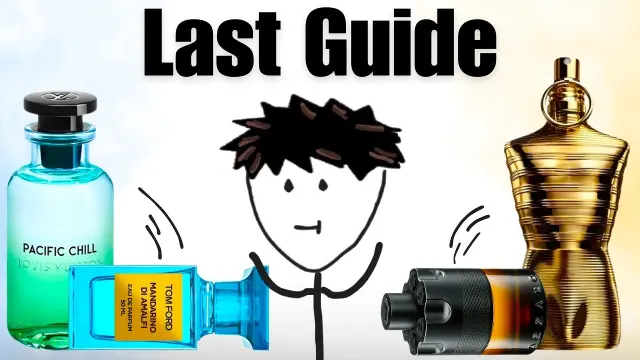
 The Ultimate Comprehensive Fragrance Buying and Application Guide
#Colonge Guide
1 ideas
The Ultimate Comprehensive Fragrance Buying and Application Guide
Get new #Colonge Guide ideas by email
Every Thursday: the week's best ideas, with the newest from #Colonge Guide.
Related tags
Cologne Guide: How to Choose, Wear and Store Fragrance
Cologne is the everyday word many people use for any fragrance marketed to men, but the term has a narrower origin. It comes from Eau de Cologne, a light, citrus-forward scent style associated with the German city of Cologne and later refined by perfumers in France. Traditional cologne is refreshing and short-lived rather than deep and heavy. Over time the word drifted, and today "cologne" often means simply "a men's fragrance," whatever its actual strength.
Understanding concentration is the single most useful thing a beginner can learn. Fragrances are built from aromatic oils dissolved in alcohol, and the ratio determines how long they last and how far they travel.
- Parfum, or extrait: the most concentrated, the longest-lasting, usually applied sparingly
- Eau de parfum: rich and persistent, a common choice for evening wear
- Eau de toilette: lighter and brighter, easy for daytime
- Eau de cologne: the lightest, most refreshing, and quickest to fade
How a fragrance unfolds
Read more
Perfume is usually described in three stages. Top notes are what you smell in the first minutes: citrus, herbs, light florals. Heart notes emerge as those fade and give the scent its character. Base notes, such as woods, resins, musk or vanilla, linger longest and carry the scent into the following hours. This is why judging a fragrance from the first spray in a shop is misleading. What you smell on paper at noon is not what you will smell on your skin that evening.
Buying well
Test on skin, not on a card, and limit yourself to two or three fragrances in a single visit because your nose tires quickly. Ask for a sample and live with it for a day, paying attention to how it develops and how it interacts with your own skin. Consider the setting you are buying for. A fragrance you love in cold weather may feel overwhelming in heat, and something pleasant for a close conversation may be lost entirely at a distance. There is no such thing as a universal bestseller that suits everyone; skin chemistry differs, and so do preferences.
Applying and keeping it
Spray onto clean, moisturized skin, since dry skin releases scent faster. Warm areas such as the wrists, the base of the throat and behind the ears are traditional spots, though restraint matters more than placement. Do not rub the wrists together; friction breaks up the composition. Apply from a short distance and allow it to dry. One or two sprays are usually plenty, and less is better in enclosed spaces, at work, or when sharing a table. Store bottles upright, sealed, away from sunlight and heat. A bathroom shelf is a poor home; a cool cupboard is better, and keeping the box helps.
#Colonge Guide: frequently asked questions
Is cologne the same thing as perfume?
Not exactly. The word started as a name for a light, citrus-led style of scent and later came to mean any fragrance sold to men, so a bottle labeled cologne can sit at almost any strength. What actually separates one bottle from another is how much aromatic oil it carries, which is what decides how long it stays and how far it reaches.
How do I choose a fragrance that actually suits me?
Try it on your own skin rather than on a paper strip, since the same scent reads differently on different people. Keep to a small handful of options in one visit because your nose stops distinguishing them quickly, and take a sample home so you can judge how it develops over a full day. Think about where you will wear it, too, since something comfortable in cold weather can feel heavy in heat.
Why does my fragrance disappear so quickly after I put it on?
Light, bright compositions are simply built to fade faster than rich ones, so a short life is often the style working as intended. Dry skin also releases scent sooner, so moisturizing first helps it hold. Never rub your wrists together after spraying, as the friction disturbs how the scent unfolds.
What is the right way to apply it?
Spray from a short distance onto clean, moisturized skin and let it dry on its own. Warm spots such as the wrists and the base of the throat are traditional, but a light hand matters far more than where you aim. In close quarters or at work, err on the side of less so you are not filling the room.
How should I store a bottle so it stays good?
Keep it upright and sealed, away from sunlight and warmth. A bathroom shelf is a poor spot because of the heat and moisture, whereas a cool cupboard is much kinder. Keeping the original box around adds another layer of protection.
What mistakes do beginners most often make?
Judging a scent from the first spray in a shop is the classic one, because the opening minutes are not what you will smell hours later. Buying for someone else's taste, or assuming there is one universally flattering choice, is another. Give a fragrance a full day on your skin before deciding.
Videos come from YouTube and posts from Instagram; titles and summaries are our own. All rights belong to their creators.