 Colorful Fall Wardrobe Accents
#Color Styling
3 ideas
Colorful Fall Wardrobe Accents
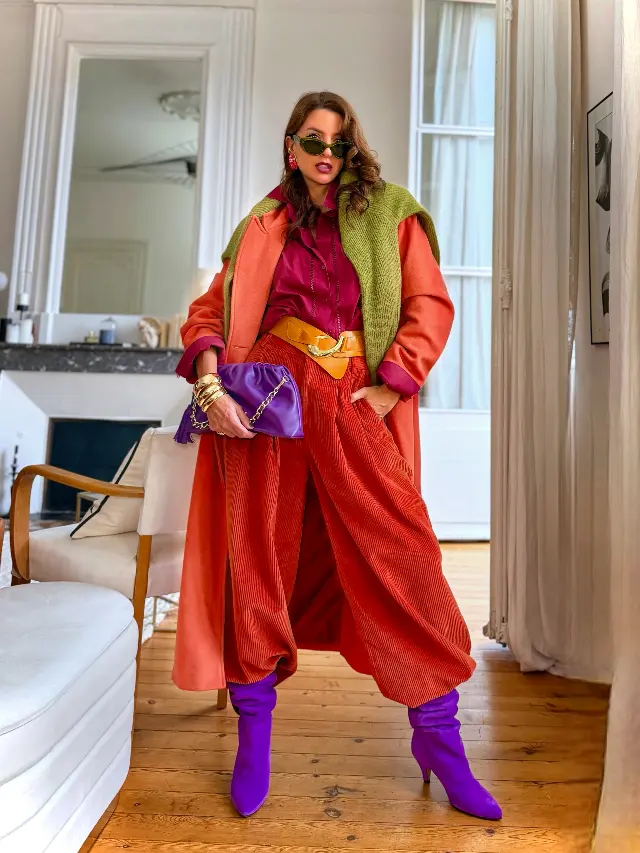 Styling colorful autumn outfits with warm and cool tones
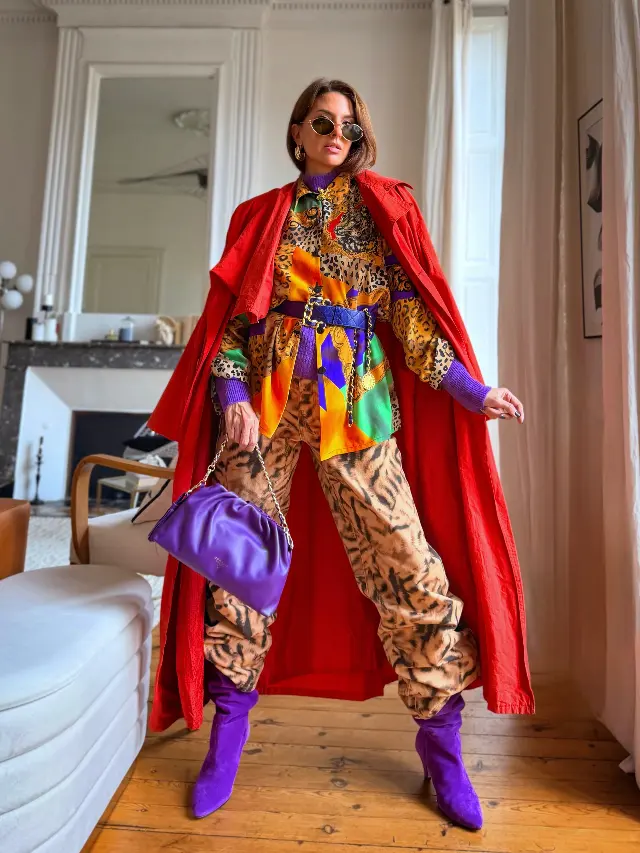 Colorful Maximalist Autumn Outfit Inspiration
Get new #Color Styling ideas by email
Every Thursday: the week's best ideas, with the newest from #Color Styling.
Related tags
Color Styling for Fashion and Everyday Outfits
What color styling means
Color styling is the art of choosing and combining colors in clothing so an outfit feels intentional, balanced, and expressive. It can be used to make an outfit look calm, polished, playful, dramatic, or modern. In fashion, color is one of the simplest ways to change the mood of what you wear, even when the shapes and fabrics stay the same.
Color styling has been used for centuries in dress, textiles, and personal adornment. Different cultures have long associated colors with status, season, ceremony, or personal identity. Today, it remains one of the most useful tools for building a wardrobe that feels like you.
Basic ways to combine colors
Read more
If you are new to color styling, start with a few simple approaches.
- Monochrome: wearing different shades and tints of the same color
- Neutral styling: using black, white, beige, gray, navy, or brown as a base
- Analogous colors: choosing colors that sit near each other, such as blue and green
- Complementary colors: pairing colors that sit opposite each other, such as blue and orange
- Accent color styling: keeping most of the outfit quiet and adding one stronger color
You do not need to follow strict rules. A strong outfit often comes from one clear idea: soft and similar, rich and contrasting, or neutral with one bright focal point.
How to build confidence with color
A helpful way to begin is to notice which colors you naturally reach for and which ones make you feel comfortable. Some people prefer gentle, low-contrast combinations. Others enjoy bright or highly contrasted looks. Neither approach is better; the goal is harmony with your own style.
If you want an easier starting point, try these tips:
- Repeat one color in more than one place, such as in a top and accessory
- Use a neutral to give brighter colors a place to rest
- Mix warm and cool tones carefully if you want contrast
- Keep the shapes simple when the colors are bold
- Use texture, such as knitwear, denim, silk, or wool, to make color combinations feel richer
Common style directions
Color styling can take many forms. Minimal outfits often rely on soft neutrals and subtle tonal changes. Classic dressing may use navy, white, camel, or black in steady combinations. Creative or expressive dressing may bring together vivid tones, unusual contrasts, or layered prints.
You can also think about color in terms of mood. Warm colors can feel energetic and inviting. Cool colors can feel calm and clean. Earth tones often feel grounded and natural. Soft pastels can feel light and gentle. Deep jewel tones can feel rich and elegant.
Practical tips for everyday dressing
When building an outfit, start with one item you love, then choose colors that support it. If a piece is very colorful, let the rest of the outfit be simpler. If your clothes are mostly neutral, a colorful scarf, bag, shoe, or knit can add interest without feeling overwhelming.
Try standing back from the mirror and asking whether your outfit feels balanced. If one color seems too strong, soften it with a neutral or a repeated shade elsewhere. Over time, you will learn which combinations feel easiest for you and which ones make you feel most expressive.
Color styling is less about perfection and more about noticing how colors work together. Once you understand the basics, you can use color to make everyday dressing feel more personal and creative.
Videos come from YouTube and posts from Instagram; titles and summaries are our own. All rights belong to their creators.