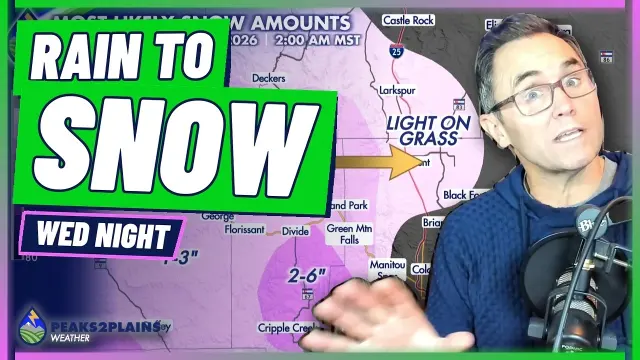
 Midweek Weather Forecast Bringing Mountain Snow and Rain to Southern Colorado
#Colorado
5 ideas
Midweek Weather Forecast Bringing Mountain Snow and Rain to Southern Colorado
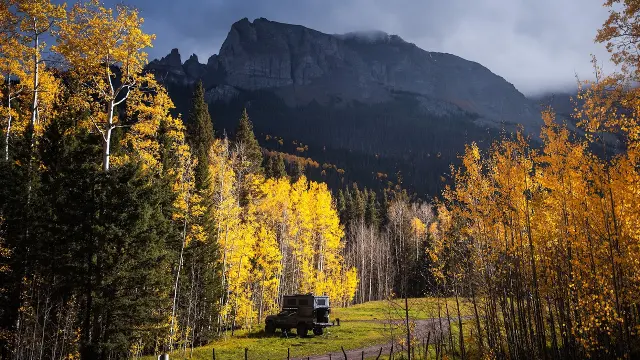 Truck Camping and Overlanding Among the Autumn Trees in the Colorado Rockies
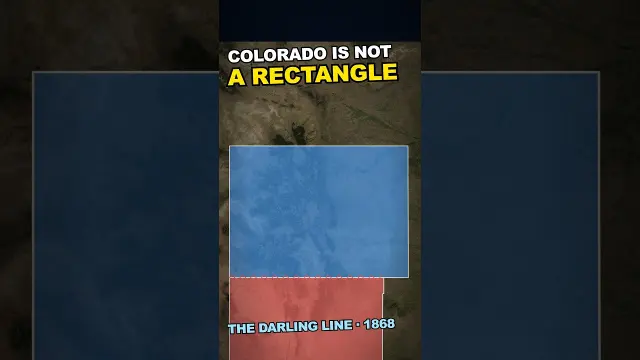 The Fascinating History Behind Why Colorado Is Not Actually a Rectangle
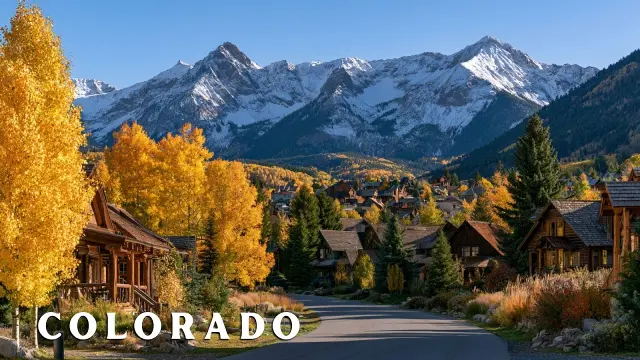 Cinematic 4K Journey Through the Most Beautiful Landscapes in Colorado
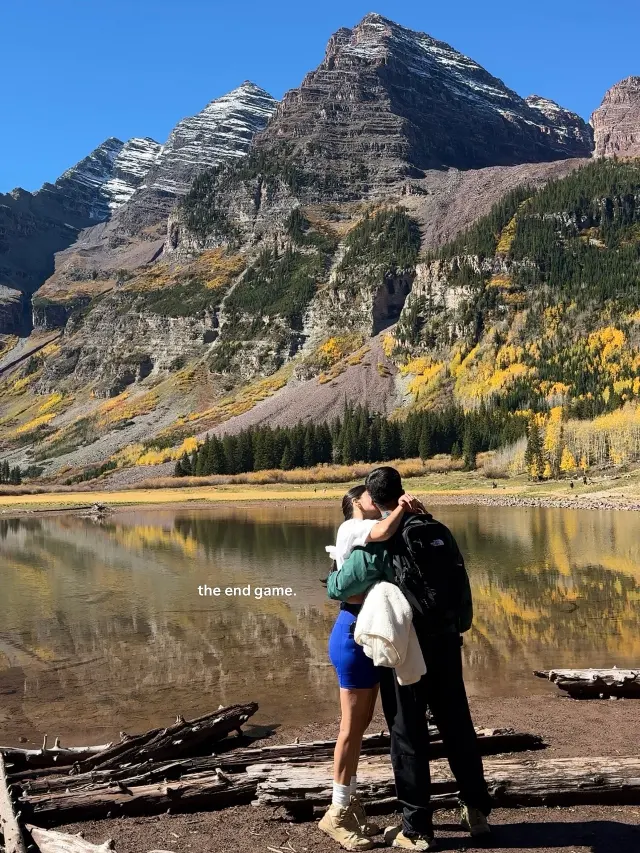 Scenic views along the Crater Lake Trail in Aspen, Colorado
Get new #Colorado ideas by email
Every Thursday: the week's best ideas, with the newest from #Colorado.
Related tags
Colorado: Mountains, Plains, and Outdoor Life
Colorado at a glance
Colorado is a western U.S. state known for its dramatic landscapes, from high mountains and forested valleys to open plains and red-rock country. It is a place where geography shapes daily life: weather can change quickly, distances are wide, and outdoor activities are part of the culture. The state takes its name from the Colorado River, and the word itself refers to something reddish or colored.
Landscapes and regions
One of the most striking things about Colorado is its variety. The Rocky Mountains run through the state and create dramatic scenery, alpine lakes, ski towns, and hiking terrain. In the lower elevations, you’ll find broad plains, river corridors, and farmland. Western Colorado has mesas, canyons, and drier landscapes, while the southern parts of the state include quiet mountain communities and open, high-country spaces.
Read more
This range of environments means Colorado can feel very different from one region to another. A single trip might include mountain passes, desert-like valleys, and busy cities all in the same journey.
What Colorado is known for
Colorado is strongly associated with the outdoors. Hiking, camping, skiing, snowshoeing, biking, fishing, and climbing are all important parts of life there. Even if you’re not especially sporty, you’ll still notice how much the state encourages time outside. Scenic drives, parks, trails, and mountain towns are a big part of its appeal.
It’s also known for independent-minded communities, a mix of historic and modern architecture, and a strong appreciation for local food, craft, and design. Cities and small towns often balance practical living with a relaxed, outdoorsy style.
History and background
Before becoming a U.S. state, Colorado was home to Indigenous peoples with deep ties to the land, including communities that lived with and adapted to the region’s varied climates and elevations. Later, Spanish explorers and settlers gave the area names and descriptions that reflected its landscape. Mining, railroads, ranching, and agriculture all shaped Colorado’s growth over time, leaving behind historic districts, old towns, and cultural traditions that are still visible today.
What to know if you’re visiting or living there
If you’re new to Colorado, it helps to be prepared for elevation. Mountain weather can feel cooler and drier than you might expect, and the sun can be strong at high altitude. Comfortable shoes, layers, water, and a flexible plan are useful whether you’re exploring a city or heading into the mountains.
A few simple tips:
- Give yourself time to adjust if you’re going higher in elevation.
- Dress in layers, because temperatures can shift during the day.
- Check trail and road conditions before heading out.
- Respect local rules in parks, forests, and wilderness areas.
Why Colorado stays appealing
Colorado is attractive because it combines natural beauty with everyday livability. You can find adventure, quiet scenery, historic character, and modern city life without losing the feeling of space. Whether you’re drawn to mountain views, wide horizons, or a strong outdoor lifestyle, Colorado offers a landscape that feels both distinctive and enduring.
Videos come from YouTube and posts from Instagram; titles and summaries are our own. All rights belong to their creators.