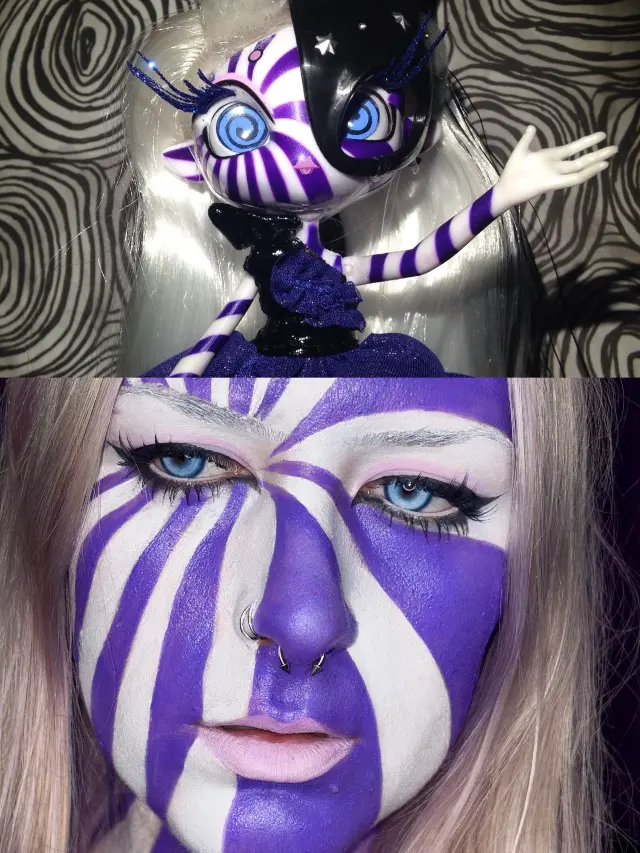
 Alien-Inspired Makeup Look Based on Novi Stars' Mimi Merize
#Colored Contact Lenses
1 ideas
Alien-Inspired Makeup Look Based on Novi Stars' Mimi Merize
Get new #Colored Contact Lenses ideas by email
Every Thursday: the week's best ideas, with the newest from #Colored Contact Lenses.
Related tags
Colored Contact Lenses: A Practical Beginner's Guide
Colored contact lenses are thin, curved discs of soft plastic that sit on the surface of the eye and change its apparent color. Unlike clear lenses, which only correct vision, cosmetic lenses carry pigment — either printed in a ring, dotted through the material, or layered inside it — so that the iris looks different from the outside. Some are purely decorative, with no prescription at all; others combine a tint with vision correction, so you can wear them instead of your usual lenses or glasses.
The idea is older than most people expect. Tinted lenses were first made for people whose irises were damaged or missing part of their structure, since a painted lens could restore a more ordinary appearance. That clinical origin still shapes the category: a cosmetic lens is a medical device that touches your eye, not an accessory like a pair of earrings, and the safety habits that come with it matter more than the color itself.
The main kinds
- Translucent tints, which let your natural iris show through and simply shift its tone — the most believable option for everyday wear.
- Opaque or "circle" styles, which fully cover the iris, often with a dark outer ring that makes the eye look larger. Dramatic in photos, less natural in daylight.
- Enhancement tints, designed to deepen or brighten the color you already have rather than replace it.
- Prescription and plano versions of all of the above.
Read more
Materials are usually soft hydrogels, and many modern lenses let more oxygen through than older ones did. Lens diameter and base curve matter too: a lens that is too large or too tight will feel uncomfortable and can reduce the oxygen reaching your eye.
What beginners should know
Have your eyes measured before you buy anything. An eye care professional can tell you your base curve and diameter and check that a lens fits properly; an ill-fitting lens is the most common reason for irritation and redness. Buy from a reputable seller who asks for a prescription, and be wary of novelty lenses sold loose in markets or online with no fitting information.
Then treat them like any contact lens. Wash and dry your hands before touching them, and never use tap water to rinse a lens or its case. Don't sleep in them, don't wear them past their recommended replacement time, and don't swap lenses with friends — even for a photo.
Put your lenses in before applying makeup and take them out before removing it, so pigment and remover don't end up trapped under the lens. Keep the case clean and let it dry open between uses.
If an eye becomes red, painful, or your vision blurs, remove the lens and stop wearing it. Comfort is the signal that matters; a lens that feels fine in the packet but scratchy after an hour is telling you something.
#Colored Contact Lenses: frequently asked questions
How do I get started with colored contact lenses?
Start by having your eyes measured by an eye care professional, since your base curve and diameter decide whether a lens will sit comfortably. Then buy from a seller who asks for that information rather than picking up loose novelty lenses on impulse. Treat the lens as something that touches your eye, not as a fashion accessory you can swap casually.
What do I need before buying colored contact lenses?
You need a proper fitting and a lens that matches your eye's measurements, plus a prescription if you want vision correction built in. Beyond that, you need clean hands, a lens case, and the right solution for storing and rinsing — never tap water. If the seller can't tell you the lens's fitting details, that's your signal to walk away.
Which kind of colored contact lens should I choose?
It depends on how natural you want the result: translucent tints shift your own iris tone and look believable in daylight, while opaque styles with a dark outer ring cover the iris completely and read as dramatic, especially in photos. Enhancement tints sit in between, deepening the color you already have. If you need vision correction, every one of these comes in prescription form as well.
How should I care for colored contact lenses?
Wash and dry your hands before handling them, keep the case clean and let it air dry open, and never rinse a lens or case with tap water. Don't sleep in them or stretch them past their replacement time. Put lenses in before makeup and take them out before removing it, so pigment and remover don't get trapped underneath.
What mistakes do beginners make with colored contact lenses?
The most common one is skipping the fitting and buying a lens that's too large or too tight, which is the usual cause of redness and irritation. Others include wearing them longer than intended, sharing lenses with a friend for a photo, and ignoring discomfort because the color looked good. A lens that feels scratchy after an hour is telling you it doesn't fit.
Can I wear colored contact lenses for a costume or a photo shoot?
Yes, and dramatic opaque styles are made for exactly that — they photograph strongly and suit alien-inspired or theatrical makeup looks. Just don't borrow a friend's pair or buy unmeasured lenses for the occasion, and take them out before you remove your makeup. If your eye turns red, hurts, or your vision blurs, remove the lens and stop wearing it.
Videos come from YouTube and posts from Instagram; titles and summaries are our own. All rights belong to their creators.