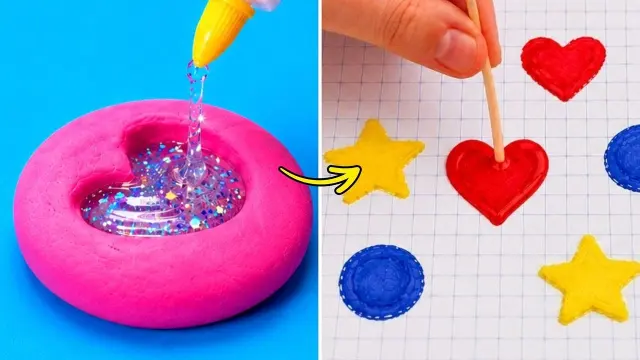
 Vibrant and colorful rainbow crafts for children
#Colorful Art
1 ideas
Vibrant and colorful rainbow crafts for children
Get new #Colorful Art ideas by email
Every Thursday: the week's best ideas, with the newest from #Colorful Art.
Related tags
Colorful Art: Meaning, Styles and Tips
Colorful art is artwork that uses a wide range of hues to create energy, mood, contrast, or harmony. It can be found in painting, drawing, collage, printmaking, textiles, murals, and digital illustration. Some artists use color to make a subject feel playful or joyful, while others use it to express emotion, symbolism, or movement. Color is one of the most direct tools in art, and even simple shapes can feel vivid and memorable when the palette is strong.
What colorful art is
At its core, colorful art is not about using many colors for their own sake. It is about how those colors work together. A piece may be bright and saturated, softly blended, or made of carefully chosen contrasts. Some works rely on a small number of intense colors, while others combine many shades in a layered way. Color can define form, direct the eye, create depth, or completely transform a familiar subject.
Where it comes from
Read more
Artists have used color since the earliest forms of visual expression, first with natural pigments and later with more varied materials. Across different cultures and periods, color has served many purposes: decoration, storytelling, symbolism, ritual, and personal expression. In some traditions, color choices carry cultural meaning; in others, they are used mainly for visual impact. Today, colorful art appears in both handmade and digital forms, but the basic idea remains the same: using color thoughtfully to shape how a work feels.
Main styles and approaches
Colorful art can take many forms:
- Abstract art often uses color as the main subject, with shapes, lines, and layers creating movement.
- Figurative art can use unusual or heightened color to give a portrait or scene a stronger mood.
- Pattern-based work often repeats bright colors for rhythm and visual structure.
- Childlike, playful, or folk-inspired art may use simple shapes and clear, cheerful palettes.
- Mixed-media work combines different materials, such as paper, paint, fabric, or markers, to build rich color effects.
Techniques and useful basics
If you are new to colorful art, it helps to start with a simple palette and expand gradually. Too many colors at once can feel scattered, while a few well-chosen ones can look more intentional. You can think in terms of warm colors, cool colors, and neutrals, then decide whether you want harmony or contrast. Repeating one or two colors across a piece can make it feel unified.
Layering is also useful. Transparent washes, overlapping shapes, and patterned areas can add depth without making the work heavy. If you are using paint, give each layer time to dry before adding more detail. If you are drawing or collaging, test color combinations on scrap paper first so you can see how they sit together.
Tips for beginners
- Start with colors you naturally enjoy, then add one or two contrasting tones.
- Balance bright areas with calmer spaces so the eye has a place to rest.
- Use light, dark, and mid-tones as well as different hues.
- Keep practicing with small studies before making a larger piece.
- Notice how color changes depending on surrounding colors and the amount of white, black, or gray nearby.
Colorful art is inviting because it leaves room for play, personal taste, and experimentation. Whether you prefer bold rainbow combinations or softer layered tones, the most effective color choices are usually the ones that feel deliberate and balanced.
Videos come from YouTube and posts from Instagram; titles and summaries are our own. All rights belong to their creators.