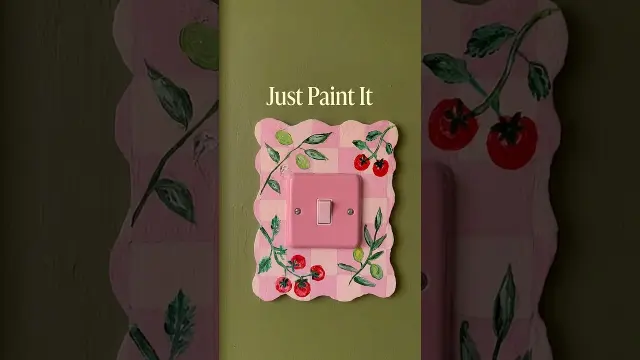
 Comparing Pinterest Aesthetics to a Real Maximalist Home
#Colorful Home
4 ideas
Comparing Pinterest Aesthetics to a Real Maximalist Home
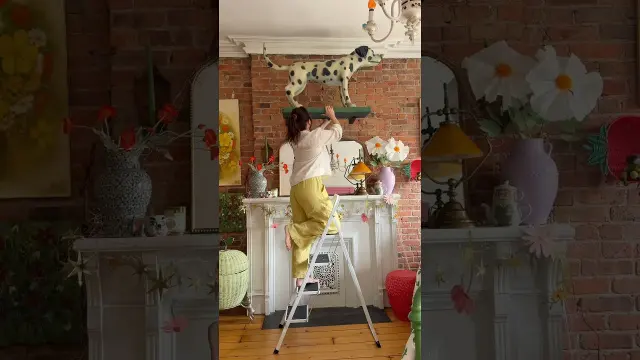 Tour of a Colorful and Eclectic New York Apartment
 Inside Sophie Robinson's Bold and Colourful Maximalist Home
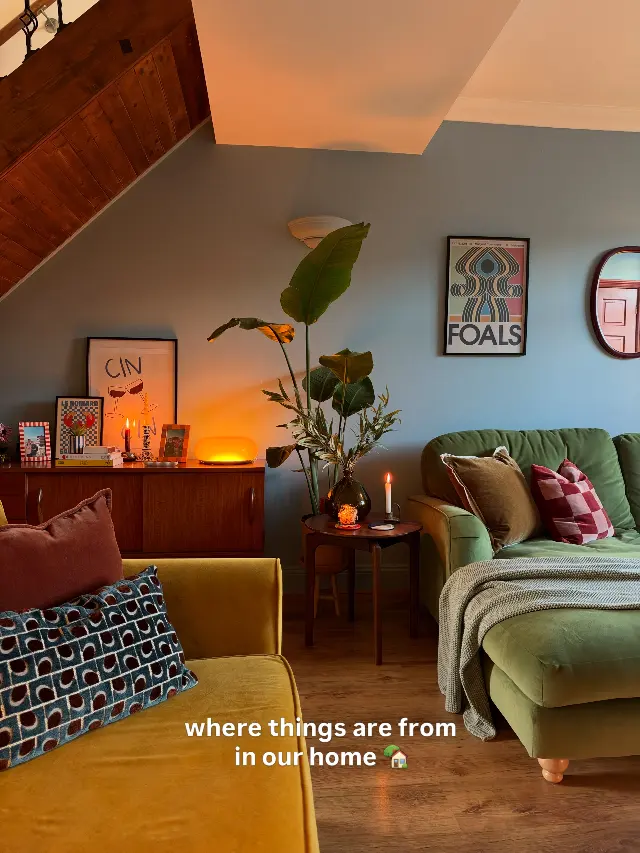 Colorful Mid Century Modern Living Room Home Tour
Get new #Colorful Home ideas by email
Every Thursday: the week's best ideas, with the newest from #Colorful Home.
Related tags
Colorful Home Ideas and Decorating Guide
What a colorful home means
A colorful home is a home where color is used with intention to shape mood, add personality, and make spaces feel lively or welcoming. Color can appear in walls, furniture, textiles, art, accessories, and even everyday objects. It does not have to mean bright or loud rooms. A colorful home can be soft and layered, bold and expressive, or calm with just a few vivid accents.
Color has long been part of home decorating across many cultures and styles. In some interiors it is used to reflect local materials and craft traditions. In others it helps define a room’s character, highlight architecture, or make simple spaces feel more personal. No matter the style, color is one of the easiest ways to make a room feel truly yours.
Common ways to use color
Read more
There is no single way to decorate with color, but a few approaches are especially useful:
- A neutral base with colorful accents: walls and large furniture stay quiet, while cushions, rugs, artwork, and objects add energy.
- A single-color family: different shades of one color create depth without feeling busy.
- Mixed colors in balanced tones: several colors are used together, but kept harmonious through shared warmth, softness, or saturation.
- Statement color moments: one wall, one chair, one cabinet, or one patterned piece becomes the focus.
You can use color to define zones too. A dining corner, reading nook, or child’s room may all benefit from a distinct palette that helps the space feel organized.
Popular styles of colorful homes
Color appears differently depending on the decorating style. A few common directions include:
- Playful and eclectic: many colors, mixed patterns, collected objects, and a relaxed feel
- Mid-century inspired: clear shapes, warm wood, and strong accent colors
- Bohemian: layered textiles, earthy tones, and rich, informal combinations
- Mediterranean or cottage-inspired: sun-washed hues, painted surfaces, and a handmade feeling
- Modern and graphic: cleaner backgrounds with sharp color contrasts
You do not need to follow one style exactly. Often the most inviting homes mix a few influences while keeping a clear overall balance.
How to choose a palette
If you are starting from scratch, begin with what you already like to wear, collect, or live with. Color choices often feel easier when they connect to your daily habits.
A few practical tips:
- Start with one favorite color and build around it.
- Repeat colors at different points in a room so the eye can move comfortably.
- Use one or two quieter colors to keep stronger shades from overwhelming the space.
- Consider natural light, since the same color can look warmer or cooler depending on the room.
- Test colors in small areas before committing to larger surfaces.
It helps to think about mood as well as appearance. Soft blues and greens can feel restful, warm reds and oranges can feel lively, and mixed pastels can feel gentle and airy. Strong contrast creates drama, while closely related colors create harmony.
Easy ways to add color
If you are not ready for a major change, start small:
- Swap in colorful cushions, throws, or curtains
- Hang artwork with strong color
- Use patterned rugs or table linens
- Display books, ceramics, or baskets with varied tones
- Paint a door, shelf, or piece of furniture
These smaller choices let you experiment without committing to a full room makeover.
Keeping it balanced
A colorful home works best when there is rhythm. Too many competing shades can make a space feel restless, while too little contrast may make it feel flat. Try to repeat certain tones, leave some breathing room, and mix bright pieces with calmer surfaces. Wood, stone, linen, metal, and other natural textures can help color feel grounded.
Most of all, choose colors that make you feel comfortable at home. A colorful interior does not need to follow rules perfectly. It only needs to feel welcoming, useful, and true to you.
#Colorful Home: frequently asked questions
How do I start creating a colorful home if I want to keep it simple?
Begin with one color you already love and add it through small pieces like cushions, artwork, throws, or a rug. This lets you see how the shade feels in your space before you commit to larger changes.
What kind of colorful home style should I choose?
Choose the style that feels most natural to how you live, whether that is playful and eclectic, calm and layered, bold and graphic, or warm and bohemian. You do not have to follow one style exactly; mixing a few influences often makes a home feel more personal.
How can I make a colorful room feel balanced instead of busy?
Repeat a few key colors around the room so the eye can move comfortably from one area to another. It also helps to pair stronger shades with quieter surfaces and natural textures like wood, linen, or stone.
What are some easy ways to add color for a special occasion or seasonal refresh?
Use colorful table linens, fresh flowers, patterned textiles, or a standout centerpiece to change the mood quickly. You can also highlight one area, such as a dining corner or entryway, so the space feels festive without redecorating everything.
What are common mistakes to avoid in a colorful home?
A common mistake is using too many competing shades without a clear rhythm, which can make a room feel restless. Another is skipping small tests first, since color can look very different depending on the light and the size of the surface.
Videos come from YouTube and posts from Instagram; titles and summaries are our own. All rights belong to their creators.