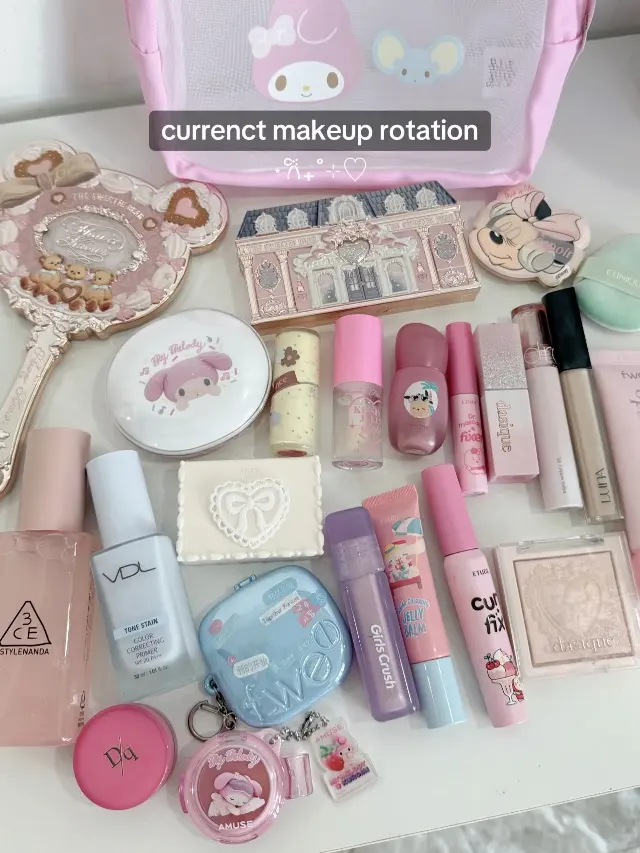
 Everyday Makeup Bag Essentials And Favorite Beauty Products
#Concealer
2 ideas
Everyday Makeup Bag Essentials And Favorite Beauty Products
Get new #Concealer ideas by email
Every Thursday: the week's best ideas, with the newest from #Concealer.
Related tags
Concealer: What It Is and How to Use It
Concealer is a makeup product made to soften the look of small areas you want to even out or brighten. People often use it under the eyes, around the nose, on redness, or on the occasional blemish. It can be a helpful step whether you like a very natural look or prefer fuller coverage.
The idea behind concealer is simple: it adds more coverage than a tinted base in a smaller area. Some formulas are creamy and easy to blend, while others are thicker and designed to stay in place. In practice, the best concealer for you depends on what you want it to do. A lighter, more fluid formula may work well for under the eyes, while a more opaque one can be useful for spots or areas of discoloration.
Concealer has long been part of makeup routines in different forms. Its purpose has stayed much the same over time: to create a more even appearance without covering the whole face. Today, it is commonly used in two main ways: as a spot concealer for targeted coverage, and as a brightening concealer for the under-eye area.
Common types of concealer
Read more
- Liquid concealer: usually lightweight and easy to blend. It can suit many uses, especially under the eyes.
- Cream concealer: often richer and more coverage-focused. It may work well for dry areas or for more precise spot coverage.
- Stick concealer: convenient and portable, with a more solid texture. It can be good for quick touch-ups.
- Pot or palette concealer: often thicker and more customizable, useful when you want to build coverage carefully.
How to choose the right one
A good first step is to think about your skin type and your goal. If your skin is dry, a more moisturizing or creamy formula may feel more comfortable. If your skin is oily, a formula that sets well may last better. For under the eyes, many people prefer a shade close to their skin tone or slightly lighter for a brightened effect. For blemishes, a shade that matches your skin usually blends in more naturally.
It also helps to pay attention to texture. A formula that looks beautiful in one area may not suit another. For example, a very thick concealer can settle into fine lines if used heavily under the eyes, while a very thin one may not cover a blemish well enough. Small adjustments usually give better results than applying a lot at once.
Simple application tips
- Start with a small amount and add more only if needed.
- Pat the product in gently rather than rubbing it around.
- Blend the edges well so there is no obvious line.
- Set it lightly if needed, especially in areas that tend to move or crease.
- Match the technique to the concern: tap on under-eye areas, and use a precise touch for spots.
If you are new to concealer, begin with one versatile formula and learn how it behaves on your skin. The most natural result usually comes from thin layers, careful blending, and choosing the right finish for the area you are treating.
#Concealer: frequently asked questions
How do I start using concealer if I've never tried it before?
Begin with a single versatile formula — a liquid or cream texture that blends easily — and get comfortable with how it behaves on your skin. Apply a small amount with a light tapping motion and build only where you feel you need it. Learning one product well teaches you more than juggling several at once.
What do I actually need to apply concealer?
Clean fingers work well for warming and patting in a creamy formula, while a small sponge or brush gives more precision around spots and the nose. A light setting powder is optional, mostly useful in areas that tend to crease or shift. You do not need a large kit to get a natural result.
How do I choose between liquid, cream, stick and pot concealer?
Match the texture to the job: fluid and lightweight formulas tend to sit nicely under the eyes, while richer cream, stick or pot versions give more coverage for spots and discoloration. Consider your skin too — drier skin often feels better with something creamy, oilier skin with a formula that sets. Thin layers of the right texture beat a heavy layer of the wrong one.
Should I use a shade that matches my skin or something lighter?
For blemishes and redness, a shade close to your skin tone blends in most naturally. Under the eyes, many people prefer a matching tone or one slightly lighter for a brightened effect. The goal is to even things out rather than create a visible patch of colour.
What are the most common mistakes people make with concealer?
Applying too much at once is the usual culprit — it tends to look heavy and settle into lines instead of covering better. Rubbing the product around rather than patting it in, and leaving the edges unblended, are the other frequent missteps. Start sparse, blend the borders, and add more only if the area still shows through.
How do I keep concealer looking fresh through the day?
Set it lightly, especially in areas that move or crease, and keep the layers thin so there is less product to shift. Carry a stick formula for quick touch-ups rather than redoing the whole area. If you notice creasing, smooth it with a gentle pat before adding anything new.
Videos come from YouTube and posts from Instagram; titles and summaries are our own. All rights belong to their creators.