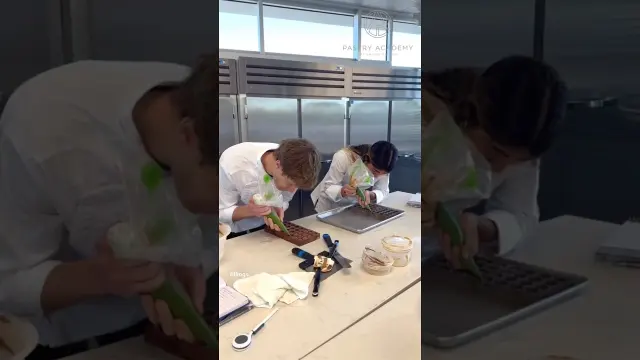
 Crafting molded chocolate bonbons on day six of training
#Confectionery
2 ideas
Crafting molded chocolate bonbons on day six of training
 Inside baking and pastry arts classes at the Culinary Institute
Get new #Confectionery ideas by email
Every Thursday: the week's best ideas, with the newest from #Confectionery.
Related tags
Confectionery: Sweet Making, Techniques and Traditions
What confectionery is
Confectionery is the art of making sweet foods, especially candies, chocolates, fondants, caramels, nougats, toffees, jellies and other sugar-based treats. It sits between cooking and craft, because it depends not only on flavour but also on texture, temperature and appearance. In many cultures, confectionery has long been linked with celebration, hospitality and gift-giving, from handmade sweets at festivals to elegant boxed chocolates and decorative sugar work.
The word often covers two broad areas: sugar confectionery and chocolate confectionery. Sugar confectionery includes boiled sweets, fudges, caramels, brittles and marshmallow-style treats. Chocolate confectionery includes filled chocolates, truffles, bars, coated centres and molded pieces. Some bakers and pastry cooks also use confectionery techniques to finish cakes, desserts and plated sweets.
Main styles and kinds
Read more
Confectionery can be simple and rustic or highly refined. Some common kinds include:
- Hard candies and boiled sweets, which are cooked sugar mixtures that set into a glassy texture
- Soft caramels and fudges, which are cooked to a lower stage and stay chewy or creamy
- Toffees and brittles, which are firmer, often with butter, nuts or seeds
- Marshmallows and nougat, which rely on aeration for a light texture
- Fondant and cream centers, used in filled chocolates and decorative sweets
- Chocolates, truffles and bonbons, which may be molded, dipped or hand-shaped
- Sugar decorations, such as pulled sugar, spun sugar and poured sugar work, usually for special display pieces
Different traditions place more emphasis on different ingredients and methods. Some sweets are cooked from plain sugar syrup, while others use milk, butter, chocolate, nuts, fruit purées or flavourings such as vanilla, citrus and spice.
Techniques and what they require
Good confectionery depends on precision, patience and cleanliness. Sugar changes quickly as it heats, so careful temperature control matters. Beginners often discover that a few degrees or a few minutes can affect the final result.
A few useful principles:
- Measure ingredients accurately
- Prepare pans, moulds and tools before cooking
- Work in a clean, dry space, since moisture can change sugar texture
- Stir only when needed, because excessive stirring can affect some sugar mixtures
- Let hot sugar cool safely before handling it
- Use a thermometer if a recipe calls for exact stages, especially in candies and caramels
Chocolate work also asks for care. Chocolate can be melted, cooled and re-warmed to create a smooth finish and a clean snap, but it is sensitive to heat and moisture. If you are just starting out, it helps to begin with simple ganache fillings, molded chocolates or dipped centres before moving on to more elaborate decorations.
Tips for beginners
Start with one basic category at a time. A simple fudge, caramel or truffle recipe is often a better first project than a complex showpiece. Pay attention to texture as much as flavour, because confectionery is judged by both.
A few practical tips:
- Read the whole recipe before you begin
- Use the right size pan, since shallow or crowded pans can affect cooking
- Allow sweets to cool fully before cutting or packaging
- Keep finished confections in suitable containers so they stay fresh and do not absorb moisture or odours
- Taste critically, adjusting sweetness with salt, acidity or nuts where appropriate
Why confectionery continues to matter
Confectionery endures because it combines skill, creativity and comfort. It can be humble or luxurious, homemade or highly decorative, nostalgic or formal. Whether you are shaping chocolate bonbons, simmering caramel or making a batch of simple sweets, confectionery rewards careful hands and a patient approach.
Videos come from YouTube and posts from Instagram; titles and summaries are our own. All rights belong to their creators.