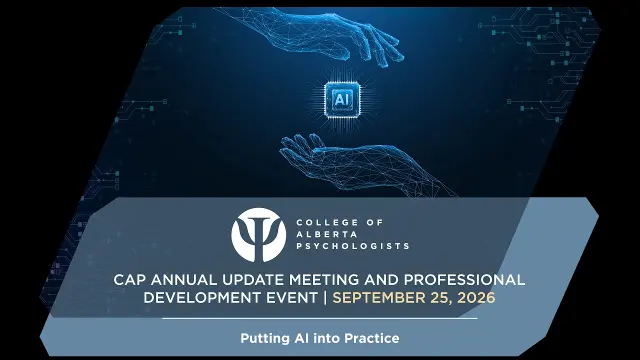
 Recap of a Virtual Professional Development Event Focused on AI
#Conference
1 ideas
Recap of a Virtual Professional Development Event Focused on AI
Get new #Conference ideas by email
Every Thursday: the week's best ideas, with the newest from #Conference.
Related tags
Conference Guide: Types, Planning and How to Make the Most of Them
A conference is an organised gathering of people who share a professional, academic or personal interest, brought together for a defined period to exchange knowledge, discuss ideas and build relationships. The form is old — learned societies and trade guilds held assemblies long before the word was used for large modern events — but the purpose has stayed consistent: putting people in the same room so that information and trust can move between them faster than they would otherwise.
The main kinds
Conferences vary widely in scale and intent. Academic conferences centre on peer-reviewed research and are usually built around paper presentations, posters and discussion panels. Industry conferences focus on markets, products and professional practice, often combining talks with exhibitions where organisations present their work. Association and membership conferences serve a community's internal business, elections and networking. Unconferences and barcamps invert the traditional model: the programme is created by participants on the day, which favours spontaneity over preparation. Hybrid and virtual formats extend reach to people who cannot travel, though they demand more deliberate effort to keep attendees engaged.
How a programme is built
Read more
Most conferences follow a rhythm: a keynote or plenary session for the whole audience, then parallel tracks that let people choose a theme, and finally smaller workshops, roundtables or networking breaks. Sessions range from formal lectures to panel discussions, hands-on workshops, poster halls and open space conversations. Breaks are not filler — a large part of the value of attending is the conversation that happens in corridors, over coffee and at social events.
For first-time attendees
Decide before you go what you want from the event: specific knowledge, contacts, or an overview of a field. Read the programme in advance and mark a small number of sessions rather than trying to see everything. Introduce yourself to people — most attendees are there to meet others too. Take notes you will actually revisit, and follow up with new contacts within a few days, while the conversation is still fresh.
If you are presenting, know your audience, keep to your time slot, and make sure your slides are readable from the back of the room. Practise aloud; speaking live always takes longer than it does in your head.
Organising one
Good conferences begin with a clear purpose and a defined audience. From there: a realistic budget, a venue that matches the expected numbers, a call for speakers or proposals, and a schedule with enough slack for questions and movement between rooms. Accessibility, dietary needs and clear communication matter more than elaborate staging. Build in feedback while the event is running, not only after it ends.
Lasting value
A conference is a snapshot of a conversation that continues year-round. The notes, contacts and ideas you carry home matter more than the days themselves — so treat the follow-up as part of the event.
#Conference: frequently asked questions
How do I choose which kind of conference is right for me?
Start from what you want out of it: research exchange points to an academic gathering with peer-reviewed talks and posters, while market and practice updates point to an industry event with exhibitors alongside the talks. If structure feels stifling, look for participant-driven formats where the programme is set on the day. Match the audience and the format to your goal rather than to the size of the event.
What should I do to prepare before attending for the first time?
Decide in advance whether you are going for specific knowledge, for contacts, or for a general overview of the field, because that choice shapes everything else. Read the programme early and mark a short list of sessions instead of trying to cover all of it, leaving room for the unplanned conversations that often turn out to matter most. Bring something to take notes with that you will actually revisit afterwards.
How do I make networking at a conference feel less awkward?
Remember that most people in the room came to meet others too, so introducing yourself is rarely the imposition it feels like. Talk to whoever is standing alone near the coffee rather than waiting for a formal moment, and ask what brought them to the event. Follow up within a few days while the conversation is still fresh in both memories.
What makes a talk work when I am the one presenting?
Know who is in the room and pitch the content to them rather than to your own familiarity with the subject. Practise aloud, because speaking live always runs longer than it does in your head, and keep to your slot so the session stays on schedule. Check that your slides are readable from the back of the room before you rely on them.
What are the common mistakes when organising a conference?
The most frequent one is starting from the venue or the format instead of from a clear purpose and a defined audience. Overfilling the schedule is another: rooms need slack for questions and for people moving between sessions, and the informal time is where much of the value sits. Accessibility, dietary needs and plain communication matter far more than elaborate staging, and feedback is worth collecting while the event is still running rather than only at the end.
Can a virtual or hybrid conference be worth attending?
Yes, and the main benefit is reach: people who cannot travel can still take part, and recorded sessions can be revisited afterwards. The trade-off is that engagement does not happen by itself online, so the format needs deliberate structure to keep people participating. Choose virtual when access matters more to you than the corridor conversations.
Videos come from YouTube and posts from Instagram; titles and summaries are our own. All rights belong to their creators.