 Simple Weekly Dinner Meal Prep Ideas and Inspiration
#Cooking
6 ideas
Simple Weekly Dinner Meal Prep Ideas and Inspiration
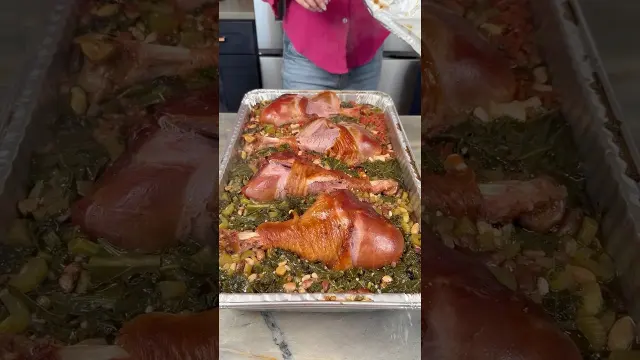 Easy Traditional Thanksgiving Classic Recipe
 How to Meal Prep for the Whole Week in One Hour
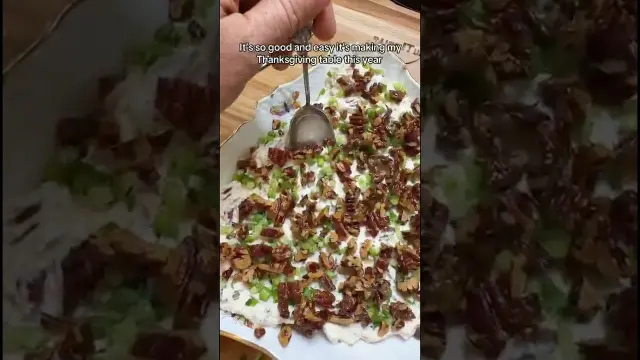 Delightful Dish to Bring to Thanksgiving Dinner
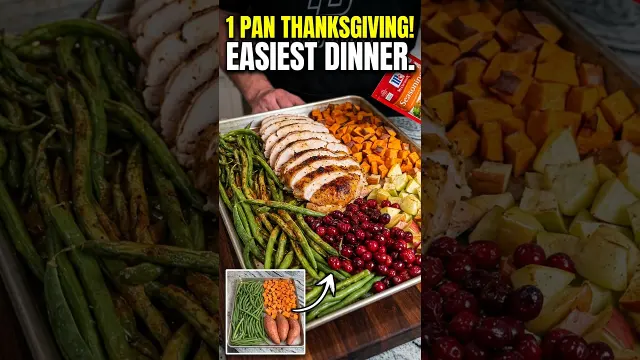 Simple One Pan Thanksgiving Dinner Recipe
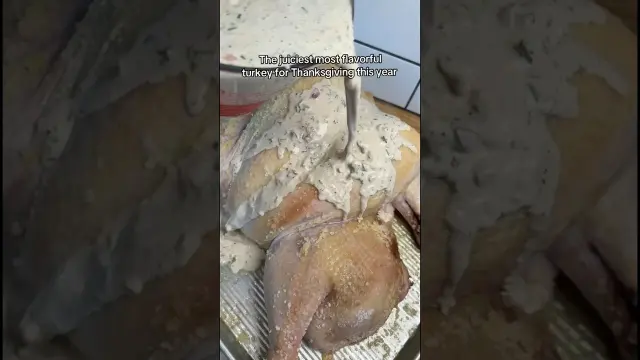 Juicy Turkey au Poivre for Thanksgiving
Get new #Cooking ideas by email
Every Thursday: the week's best ideas, with the newest from #Cooking.
Related tags
Cooking: An Essential Guide
Cooking is the practice of preparing food for eating by using heat, mixing, seasoning, and other methods that change ingredients into meals. It is one of the oldest human skills, shaped by local ingredients, climate, culture, and tradition. Every cuisine has its own way of cooking, but the purpose is the same: to make food nourishing, safe, flavorful, and enjoyable.
What cooking includes
Cooking can be as simple as boiling vegetables or as involved as making a multi-course meal. It covers many methods, such as baking, roasting, grilling, frying, steaming, braising, stewing, sautéing, and simmering. Some foods are cooked quickly over high heat, while others become tender and flavorful through slow, gentle cooking. Many dishes use a combination of methods to build texture and depth of flavor.
Common styles and approaches
Read more
Different styles of cooking often reflect the ingredients and traditions of a place. Home cooking is usually practical and flexible, focused on everyday meals. Traditional cooking preserves familiar recipes passed down through families and communities. Some approaches emphasize fresh vegetables and grains, while others rely more on meat, dairy, spices, or dough. Whether you are making a simple soup, a hearty casserole, or a festive dinner, the basic principles are often the same.
Basic techniques to know
If you are new to cooking, a few core skills will help you a great deal. Learning how to chop safely, measure accurately, season gradually, and control heat makes many recipes easier. It also helps to understand how ingredients behave: onions soften and sweeten when cooked, proteins change texture with heat, and herbs and spices release aroma when warmed. Tasting as you go is one of the best habits you can develop.
Tips for beginners
Start with simple recipes that use a short list of ingredients and familiar methods. Read the whole recipe before you begin, and prepare ingredients in advance so you are not rushed. Keep your workspace tidy, use clean utensils, and pay attention to food safety, especially with raw meat, eggs, and dairy. If a dish does not turn out perfectly, treat it as part of learning rather than a failure.
- Use enough salt to bring out flavor, but add it little by little.
- Cook with steady heat instead of very high heat when you are unsure.
- Keep knives sharp and use a stable cutting board.
- Let roasted or grilled foods rest briefly before serving when appropriate.
- Trust your senses: smell, color, texture, and taste all matter.
Why cooking matters
Cooking lets you turn simple ingredients into something satisfying and personal. It can be practical, creative, comforting, and social all at once. Once you understand the basic techniques, you can adapt recipes, use what you have on hand, and cook with more confidence over time.
Videos come from YouTube and posts from Instagram; titles and summaries are our own. All rights belong to their creators.