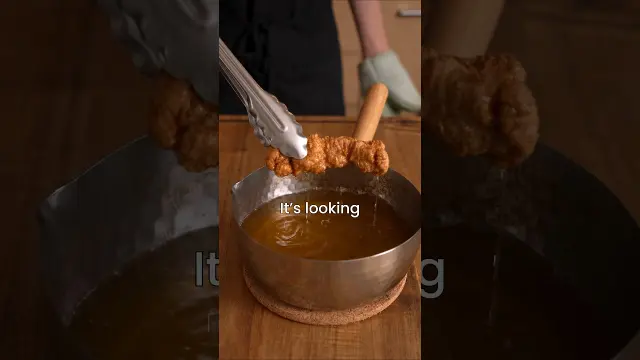
 Testing Water As The Secret Ingredient For Crispy Fried Chicken
#Cooking Experiments
1 ideas
Testing Water As The Secret Ingredient For Crispy Fried Chicken
Get new #Cooking Experiments ideas by email
Every Thursday: the week's best ideas, with the newest from #Cooking Experiments.
Related tags
Cooking Experiments: Learning Through Taste and Trial
Cooking experiments are a practical way to learn in the kitchen by testing one small change at a time. Instead of following a recipe exactly, you try different ingredients, methods, or timings to see how they affect the result. This can help you understand why a dish works, how flavors develop, and what you prefer in your own cooking.
People have always experimented with food. Traditional cooking has often grown from observation, repetition, and small adjustments made at home, in gardens, and in shared kitchens. Long before recipes were written down, cooks learned by tasting, comparing, and adapting to local ingredients. In that sense, cooking experiments are part of a very old habit: using curiosity to improve a meal.
What cooking experiments can involve
Cooking experiments can be simple or ambitious. You might compare two kinds of flour, test different marinades, change the order of steps, or try a new cooking method. Some experiments focus on texture, such as making bread softer or vegetables crispier. Others explore flavor, like adjusting sweetness, acidity, salt, or spice. You can also experiment with presentation, portion size, or how a dish is served.
Read more
For beginners, it helps to keep the goal small. Choose one recipe or one dish and change only one thing at a time. That makes it easier to understand what caused the difference. If you change too many things at once, it becomes hard to learn from the result.
Good habits for successful experiments
Start with recipes you already know fairly well. A familiar base gives you something to compare against. Write down what you changed, even if it seems minor. A simple note about timing, temperature, or ingredient swaps can be very useful later.
Taste carefully as you go, if the dish allows it. Pay attention to aroma, texture, appearance, and balance, not just flavor. Sometimes a small adjustment makes a big difference. Other times the result is interesting but not better, and that is still useful information.
Be patient with imperfect results. Cooking experiments are not about winning or failing. They are about learning. If something goes wrong, ask yourself what may have happened: Was there too much moisture, not enough seasoning, too much heat, or too little resting time? This kind of reflection helps you cook more confidently over time.
Safe and useful things to keep in mind
Use clean tools and fresh ingredients, and handle food safely. If you are testing foods that need specific cooking temperatures or careful storage, follow general food safety practices. For sensitive ingredients, it is wise to avoid risky shortcuts and trust your senses as part of a larger habit of caution.
Cooking experiments are especially rewarding when you stay curious and keep notes. Over time, you begin to recognize patterns: how batters behave, how vegetables soften, how flavors mellow, and how small changes shape a dish. That knowledge makes everyday cooking feel more personal and creative.
#Cooking Experiments: frequently asked questions
How do I get started with cooking experiments?
Begin with a dish you already cook often, so you have a familiar result to compare against. Change only a single element — an ingredient, a timing, a temperature, or the order of steps — and keep everything else the same. That way the difference you taste can actually be traced to your change.
What do I need to try kitchen experiments at home?
Nothing special beyond your usual pans, bowls, and utensils, plus a way to jot things down. A notebook or a simple note on your phone is the most valuable tool, because it turns a lucky accident into something you can repeat. Fresh ingredients and clean tools matter more than fancy equipment.
Which kind of cooking experiment should I choose?
Pick a category that matches what you are curious about: texture, flavor balance, method, or presentation. If you want a softer bread or crisper vegetables, focus on technique and timing; if you want a dish to taste brighter or richer, focus on acidity, salt, sweetness, or spice. Choosing a single focus keeps the experiment readable.
How do I keep track of my experiments over time?
Write down what you changed and what you noticed, even when the note feels trivial. Record the details you can sense — aroma, texture, browning, how the dish held up after resting — rather than just “good” or “bad.” Looking back at those notes is how you start spotting patterns in how batters, vegetables, and flavors behave.
Do you have ideas for experimenting when cooking for an occasion?
Try your experiment on a small side portion first and keep the main dish on familiar ground, so a surprise does not land on your guests. Presentation and serving style are low-risk ways to experiment for a gathering, since a change in plating or portion size rarely ruins the food. Save the bolder tests for a quiet night at home.
What mistakes should I avoid when experimenting in the kitchen?
The classic mistake is changing too many things at once, which makes the result impossible to interpret. Another is skipping the notes and assuming you will remember what you did. Also be careful not to treat an imperfect batch as a failure — ask what likely happened with moisture, heat, seasoning, or resting time, and use that as your next starting point.
Videos come from YouTube and posts from Instagram; titles and summaries are our own. All rights belong to their creators.