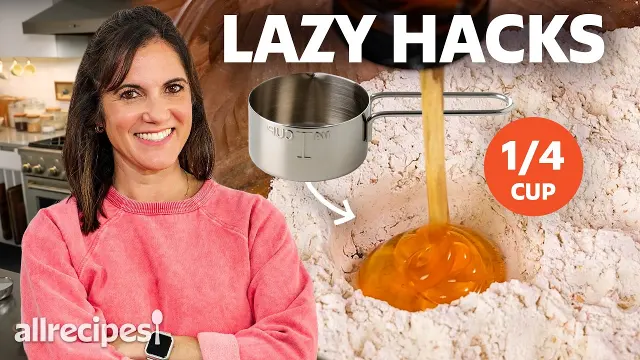
 20 Lazy Kitchen Hacks And Time-Saving Shortcuts
#Cooking Shortcuts
1 ideas
20 Lazy Kitchen Hacks And Time-Saving Shortcuts
Get new #Cooking Shortcuts ideas by email
Every Thursday: the week's best ideas, with the newest from #Cooking Shortcuts.
Related tags
Cooking Shortcuts: Simple Ways to Save Time in the Kitchen
A cooking shortcut is any method, habit or small preparation trick that gets a meal on the table with less time, less washing up or less standing at the stove — while keeping the food worth eating. The idea is as old as home cooking itself: cooks have always looked for ways to feed people well without spending the whole evening in the kitchen. What has changed is how consciously people now share those tricks, passing them along as everyday knowledge rather than professional technique.
Shortcuts are not the same as cutting corners. A good one removes a step nobody notices is gone; a bad one removes something the dish actually needs. Learning the difference is most of the skill.
The main kinds of shortcut
Most kitchen shortcuts fall into a few rough groups:
Read more
- Preparation shortcuts: prepping ingredients in advance, washing and cutting vegetables as soon as they come home, keeping a small stock of ready-to-use basics so cooking starts from a head start.
- Batch cooking: making a larger quantity of one component — a sauce, a grain, a roasted tray of vegetables — and using it across several meals in different forms.
- Equipment shortcuts: using tools that do a job faster or more evenly, such as a pressure cooker for pulses, a blender for soups, or a sheet pan for a whole meal at once.
- Organisational shortcuts: a short written plan for the week, a shopping list built from it, and ingredients stored where you can see them.
Where to begin
Start with the shortcuts that match the meals you already cook. If pasta and rice dishes are your default, learn to cook and store grains in batches. If mornings are the bottleneck, prepare something the night before. Trying to adopt ten new habits at once rarely lasts.
A few practical starting points:
- Read the whole recipe before you begin and set out everything you need, so you aren't hunting for a spice mid-pan.
- Cook one element in a larger amount than the recipe asks and chill or freeze the rest.
- Keep a well-sharpened knife within reach; most slow cooking is slow cutting.
- Clean as you go, in the small gaps where something is simmering.
- Accept that some dishes simply don't shorten well — a slow braise is slow for a reason.
Keeping it honest
Shortcuts work best when they protect flavour rather than replace it. Pre-cut vegetables, jarred sauces and frozen basics can be genuinely useful, but taste them and season accordingly; they are ingredients, not finished dishes. A little salt, acid or fat at the end often rescues a meal assembled quickly.
Treat shortcuts as a personal collection rather than a fixed system. Notice which steps in your own cooking take the most time, solve those first, and keep the ones that stick. Over time the collection becomes instinct, and cooking stops feeling like a chore you have to schedule.
#Cooking Shortcuts: frequently asked questions
How do I start using cooking shortcuts without overhauling my whole kitchen?
Begin with the meals you already cook often, and look for the step in them that eats the most time. Change one habit at a time — prepping vegetables when they come home, or cooking a bigger pot of grains than the recipe needs — because a whole new routine adopted at once rarely survives the week.
Which kind of shortcut should I choose: prep-ahead, batch cooking, equipment or planning?
Match it to your real bottleneck rather than to whichever idea sounds most appealing. If evenings are rushed, prep components in advance; if chopping is what drags, a properly sharpened knife or a tool that does the job evenly helps more than any recipe trick; if you simply forget what you meant to cook, a short written plan does the work. The right shortcut is the one that removes the task you personally dread.
How should I store batch-cooked parts so they actually get used?
Portion them into the amounts you will realistically eat at one meal, then chill or freeze them and label what is inside. Keep them somewhere visible rather than at the back of a shelf, since a sauce you cannot see is a sauce you will not use. A little foresight here is what turns batch cooking into a shortcut instead of wasted food.
What are the most common mistakes people make with cooking shortcuts?
The classic one is removing a step the dish genuinely needs — a good shortcut takes away something nobody notices is missing, not the thing carrying the flavour. Another is treating a jarred sauce or pre-cut vegetable as a finished dish; they are ingredients, so taste them and adjust with salt, acid or fat. It also pays to accept that some dishes do not shorten well, because a slow braise is slow for a reason.
Can I use shortcuts for a special occasion meal?
Yes, as long as they stay away from the centrepiece — buy or prepare ahead the parts you would make grudgingly and spend your effort on what guests actually came for. Doing the washing up and the chopping in the gaps while something simmers leaves the final plating calm instead of frantic.
Do I need special equipment or an organised system to cook this way?
No. A sharp knife within reach and a rough plan for the week cover most of it, and extra equipment only earns its place when it removes the task that genuinely slows you down. Think of your shortcuts as a personal collection you keep adding to rather than a fixed system, and over time the ones that stick become instinct.
Videos come from YouTube and posts from Instagram; titles and summaries are our own. All rights belong to their creators.