 15-Minute Daily Ab Workout and Six-Pack Challenge
#Core Challenge
13 ideas
15-Minute Daily Ab Workout and Six-Pack Challenge
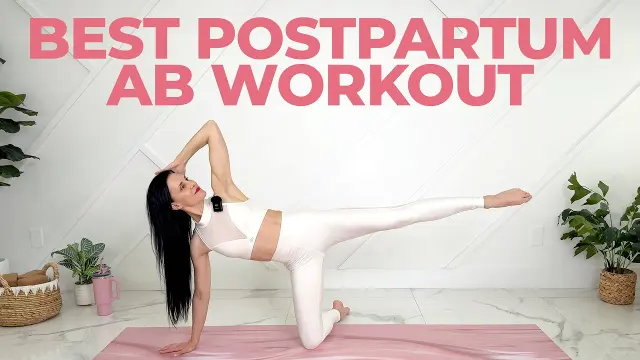 Postpartum Ab Workout for Post-Pregnancy Recovery
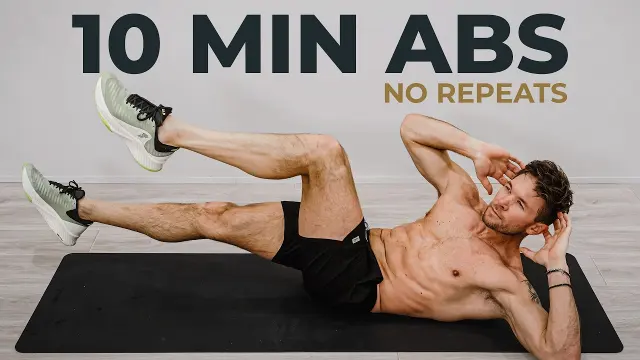 10-Minute No Equipment Ab Workout with No Repeats
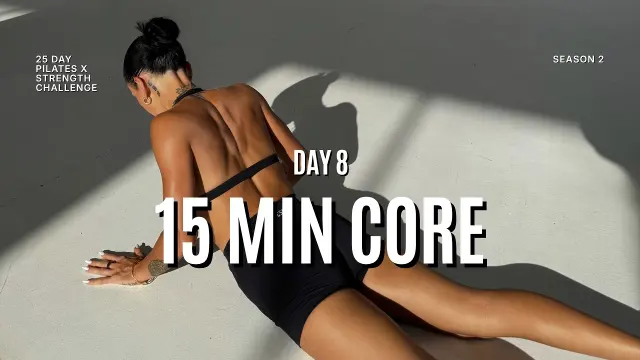 15-Minute Intermediate Pilates and Strength Core Workout
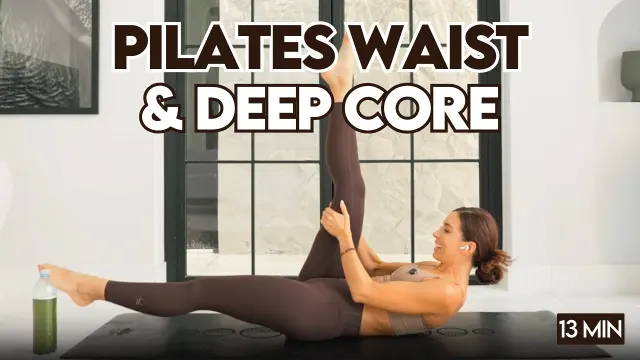 13-Minute Mat Pilates Waist and Deep Core Workout
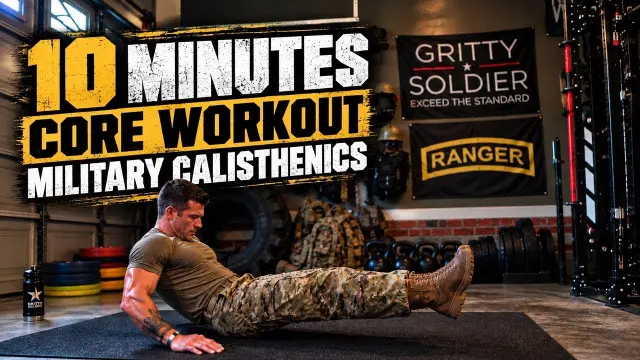 10-Minute Military-Style Calisthenics Core Workout
 10-Minute Intensive No Equipment Core and Ab Workout
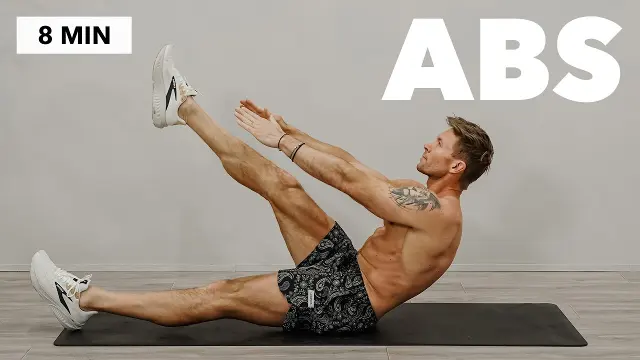 8-Minute No Equipment Ab Workout for Core Strength
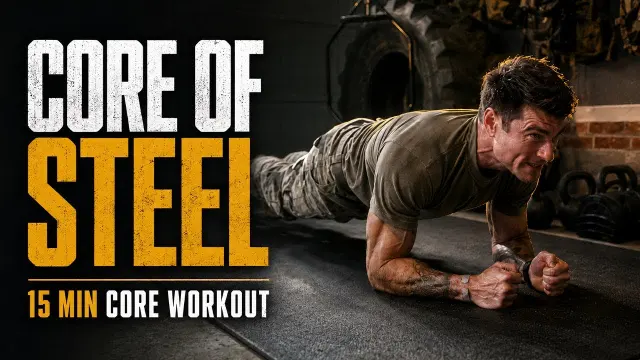 15-Minute Military Calisthenics Core Workout
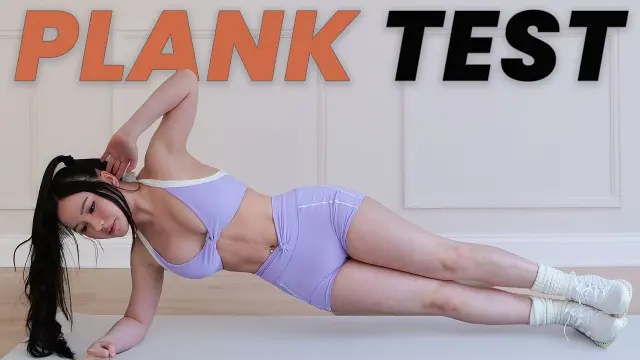 10-Minute Plank Test Core and Ab Workout
 Seated At-Home Core Blaster Challenge Routine
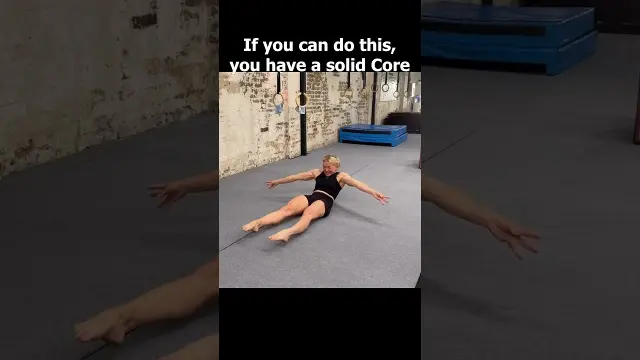 Simple Bodyweight Core Strength Stability Test
Get new #Core Challenge ideas by email
Every Thursday: the week's best ideas, with the newest from #Core Challenge.
Related tags
Core Challenge Exercises and Tips
What a core challenge is
A core challenge is a set of exercises designed to strengthen the muscles around your middle: the abdominals, lower back, hips, and pelvic area. These muscles help support posture, balance, and control in everyday movement. A strong core is not only about appearance; it also helps you move more steadily, lift and carry more comfortably, and keep better alignment during exercise.
Core work appears in many movement traditions, including Pilates, yoga, calisthenics, and general fitness training. Some routines focus on static holds, like planks and bridges. Others use controlled movement, such as dead bugs, leg lowers, or seated twists. The best approach depends on your level and what you want to improve.
Common styles and exercise types
Read more
Core challenges often combine a few different kinds of movement:
- Anti-extension exercises, such as planks, where you resist arching the back
- Anti-rotation exercises, such as bird-dogs or standing holds, where you keep the torso steady
- Flexion-based exercises, such as curl-ups, where the trunk bends slightly
- Lateral stability work, such as side planks, which strengthen the sides of the body
- Glute and hip support work, such as bridges, because the hips and core work closely together
You may also see small equipment used in core routines, such as a stability ball, resistance band, or slider. These can add variety, but they are not necessary. Good form matters more than adding complexity.
What beginners should know
If you are new to core training, start with short sessions and simple movements. It is better to do a few well-controlled repetitions than to rush through many. Focus on breathing normally, keeping your neck relaxed, and engaging the abdomen without holding your breath.
A common mistake is to pull in the stomach so hard that the rest of the body becomes tense. Instead, aim for steady support through the middle while the shoulders, jaw, and hips stay relaxed. If a move causes pain in your back, neck, or joints, stop and choose an easier variation.
Practical tips for better results
- Warm up gently before harder holds or repetitions
- Keep movements slow and deliberate
- Use quality over quantity
- Rest when your form starts to slip
- Combine core work with full-body exercise, since the core supports many movements
- Be consistent, even if sessions are short
Building a balanced core routine
A well-rounded core challenge usually includes front, side, and back support. This balance helps avoid overworking one area while neglecting another. For example, you might pair a plank, a side plank, a bridge, and a controlled opposite-arm-and-leg movement in the same session.
It is also wise to train the core as part of whole-body strength, not as a separate task alone. Walking, lifting, stretching, and carrying all ask the core to work. When you train it thoughtfully, you build support that carries into daily life.
Staying safe
If you are pregnant, recovering from injury, or dealing with ongoing pain, choose gentle exercises and speak with a qualified professional before trying more demanding movements. In general, the safest core training is the kind you can perform with control, breathing, and good alignment.
A core challenge should feel purposeful, not punishing. With steady practice, you can build strength, stability, and confidence in a way that supports the rest of your body.
Videos come from YouTube and posts from Instagram; titles and summaries are our own. All rights belong to their creators.