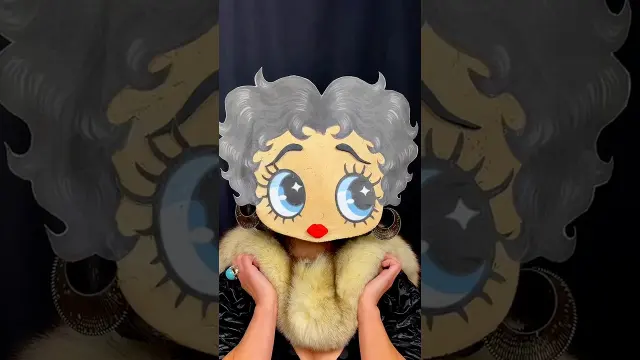
 Betty Boop Cosplay Makeup With a Purple Colour Twist
#Cosplay Makeup
2 ideas
Betty Boop Cosplay Makeup With a Purple Colour Twist
Get new #Cosplay Makeup ideas by email
Every Thursday: the week's best ideas, with the newest from #Cosplay Makeup.
Related tags
Cosplay Makeup Guide: Transform Into Any Character
Cosplay makeup is the craft of using cosmetics to make a face read as someone else's — a character from a film, a comic, a game, an animated series, or a historical figure. It sits somewhere between everyday beauty makeup and theatrical makeup: the techniques are borrowed from both, but the goal is recognition. When someone looks at you, they should see the character before they see you.
Where it comes from
Dressing as fictional characters has a long history in theatre, carnival and masquerade, where stage makeup had to carry expressions to the back row under strong lights. Cosplay as a hobby grew out of fan culture and conventions, where enthusiasts made costumes and began photographing them. Because a costume is only half the illusion, makeup became its own discipline, shared and taught through communities, workshops and photo shoots rather than formal training.
The building blocks
Read more
Most cosplay makeup follows a rough order. Skin comes first: primer, then a foundation matched to the character's complexion rather than your own, and a setting powder so everything else has something to grip. Contouring and highlighting reshape the face — narrowing the nose, sharpening the jaw, exaggerating cheekbones — because a two-dimensional drawing or animation often has more defined features than a real face.
Eyes carry the most character. Eyeliner shapes can widen, elongate or slant the eye, and false lashes add volume that photographs well. Eyebrows are frequently drawn over or reshaped, since brow shape does more to change a face than almost anything else. Lips follow the character's proportions, sometimes overdrawn or reduced.
Styles and techniques
There are a few broad approaches. Realistic character makeup aims to make the face plausible as a living version of the character. Stylised or "anime" makeup exaggerates proportions and often uses strong colour. Gender-swap cosplay uses shading and shape to shift the face toward a different presentation. Special-effect work adds scars, scales, wounds, prosthetics or body paint, and often relies on products made for the purpose rather than ordinary cosmetics.
Some looks depend on colour shifts: a twist in palette, such as rendering a classic cartoon character with unexpected shades, keeps the silhouette recognisable while making the result personal.
What beginners should know
Start with a character whose face is close to yours in shape and colouring — the makeup will be easier and the result more convincing. Practise at home and photograph yourself in the lighting you will actually be seen in; convention halls and studios are unforgiving. Buy makeup you can remove easily and test anything new on a small patch of skin first. Keep brushes clean, especially around the eyes, and be gentle when taking heavy makeup off.
If you use adhesives, spirit gum or prosthetics, follow the maker's instructions and never pull anything off dry skin. Bring a small touch-up kit to events, and budget time: character makeup takes far longer than everyday makeup, so build in a buffer rather than rushing the details that matter most.
#Cosplay Makeup: frequently asked questions
How do I start with cosplay makeup if I've never done it before?
Choose a character whose face shape and colouring are close to your own, because the transformation will be easier and the result more convincing. Practise at home and photograph yourself under the lighting you will actually be seen in, since convention halls and studios are unforgiving.
What do I actually need to buy to get started?
The core kit is a primer, a foundation matched to the character's complexion rather than yours, setting powder, eyeliner, false lashes and something for reshaping the brows, which change a face more than almost anything else. Anything involving adhesives, prosthetics or body paint is better bought from ranges made for that purpose than borrowed from everyday cosmetics.
Which style of cosplay makeup should I choose?
Realistic character makeup aims to make the face believable as a living version of the character, while stylised or anime makeup exaggerates proportions and leans on strong colour. Special-effect work such as scars, scales or prosthetics is really its own discipline, so pick according to whether you want plausible, exaggerated or fantastical.
How should I take heavy character makeup off afterwards?
Buy products you can remove easily and work gently, particularly around the eyes, keeping brushes clean between uses. If adhesives or prosthetics were involved, follow the maker's instructions and never peel anything away from dry skin.
What occasions can I wear cosplay makeup for?
Conventions and photo shoots are the obvious ones, but costume parties, themed gatherings and masquerade events suit it just as well. A colour twist, such as rendering a familiar cartoon look in unexpected shades, keeps the character recognisable while making it personal.
What are the most common mistakes beginners make?
Rushing is the big one, because character makeup takes far longer than everyday makeup and the details that sell the look are exactly the ones people skip. Forgetting to test a new product on a small patch of skin, and leaving the touch-up kit at home, are the other frequent slips.
Videos come from YouTube and posts from Instagram; titles and summaries are our own. All rights belong to their creators.