 Toronto Halloween Night Walk and Costume Celebration
#Costumes
2 ideas
Toronto Halloween Night Walk and Costume Celebration
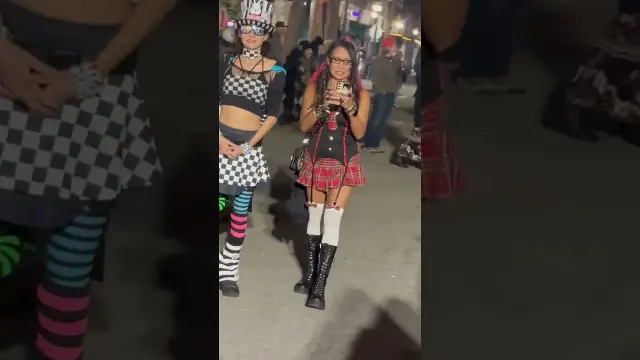 Santa Cruz Halloween Street Party and Costumes
Get new #Costumes ideas by email
Every Thursday: the week's best ideas, with the newest from #Costumes.
Related tags
Costumes: A Guide to Dressing Up for Any Occasion
A costume is an outfit worn to become someone or something else for a while. Unlike everyday clothing, which is chosen mostly for comfort, weather or work, a costume is chosen for a role. It might turn you into a historical figure, an animal, a character from a story, or an idea that exists only in your imagination. That shift of identity is the whole point — the moment the costume goes on, a small piece of theatre begins.
Where the idea comes from
Dressing as something other than yourself is an old human habit. It appears in seasonal festivals that mark the turning of the year, in religious and folk ceremonies, in harvest celebrations and in the masked traditions found in many parts of the world. Theatre gave costumes a more deliberate craft: performers needed to be recognisable from a distance, so shape, colour and silhouette became a language of their own. Carnival traditions, masquerade balls and street parades each developed their own rules about what a good costume looks like. What they share is the sense that a disguise is a form of play, and that putting one on together is a way of belonging.
The main kinds
Read more
Costumes tend to fall into a few broad families. Character costumes reproduce a known figure from a film, book or legend. Historical and period costumes draw on the dress of a particular era or region. Animal and creature costumes rely on silhouette and texture, often with a headpiece or a tail. Theatrical and dance costumes are built for movement and visibility under stage light. Fantasy and cosplay costumes are made by the wearer, sometimes over months, and are often shown as much as worn. Alongside these sit the practical costumes of ritual and profession — the robes, uniforms and masks that mark a ceremony or a role.
If you are starting out
Begin with the silhouette rather than with detail. Decide what shape the character reads as from across a room, then build outward. Look at what you already own before buying anything: a dark suit, a plain shirt, a wide-brimmed hat or a long coat can carry a surprisingly large amount of character.
Fabric choice matters more than people expect. Stiff fabrics hold a shape and read well in photographs; soft ones drape and move. If you are making something yourself, test a sample of the fabric with the paint, dye or glue you plan to use, because materials behave differently once they are combined.
Think about comfort and safety, especially for a long evening. Choose footwear you can walk in, keep masks and headpieces light enough to see and breathe through, and avoid trailing fabric near stairs or open flame. Make-up and body paint should be tested on a small patch of skin first, and removed at the end of the night rather than slept in.
Finally, don't overbuild. The details that matter are the ones a stranger notices in three seconds. Get those right, and the rest can stay simple.
#Costumes: frequently asked questions
How do I start building a costume if I've never made one before?
Start with the silhouette rather than the small details — decide what shape the character should read as from across a room, then build outward from there. Raid your own wardrobe first, since a long coat, a plain shirt or a wide-brimmed hat can carry a surprising amount of character before you spend anything.
What do I actually need to put a costume together?
Practically, you need a clear idea of the role you're playing, a fabric or garment that holds the shape you want, and a few pieces that make the identity readable at a glance. Stiff fabrics keep their form in photographs while soft ones drape and move, so pick according to whether the costume needs to pose or to dance. If you're painting, dyeing or gluing anything, test it on a scrap of the same material first.
How do I choose which kind of costume suits my occasion?
Think about what the event actually rewards: a stage or parade needs bold shape and colour visible from a distance, a seated dinner or masquerade rewards detail seen up close, and a long street party rewards something you can walk and stand in comfortably. Character, historical, animal and fantasy costumes all follow that same logic, so let the setting pick the family for you.
How should I care for a costume so it survives more than one wearing?
Clean it according to what the most delicate part is made of, and treat trims, glue and paint as the fragile elements rather than the main garment. Store it hung or folded away from damp and direct light, and repair small loose pieces as soon as you notice them instead of after the next outing. Many costume failures come from storage, not from the night itself.
What are the most common mistakes people make with costumes?
Overbuilding is the big one — the details a stranger notices in a few seconds matter, and the rest can stay simple. The second is neglecting comfort and safety: unwalkable shoes, heavy headpieces that block sight or breath, and trailing fabric near stairs or open flame all ruin an evening quickly. Testing make-up on a small patch of skin and washing it off before bed is worth the few minutes it takes.
Any ideas for a costume I can wear to a Halloween street party?
Aim for something with a strong, readable outline that you can walk in for hours — a creature built on a simple base with a light headpiece, or a period look assembled from a long coat and a hat. Keep the layers easy to remove if the evening turns warm, and keep anything trailing away from crowds and steps.
Videos come from YouTube and posts from Instagram; titles and summaries are our own. All rights belong to their creators.