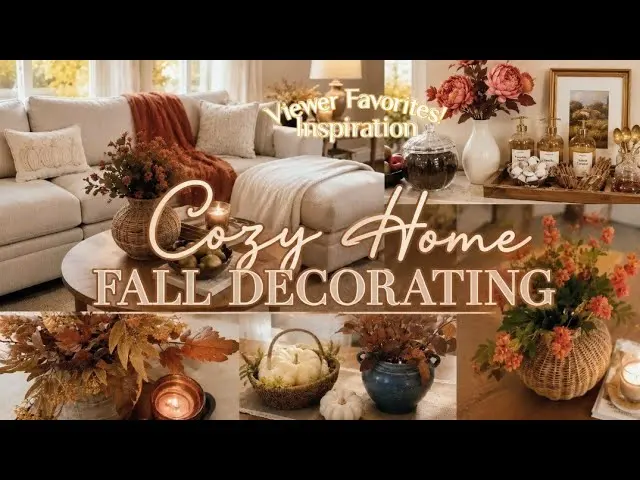
 Moody Cottage Fall Decorating Room by Room
#Cottage Decor
2 ideas
Moody Cottage Fall Decorating Room by Room
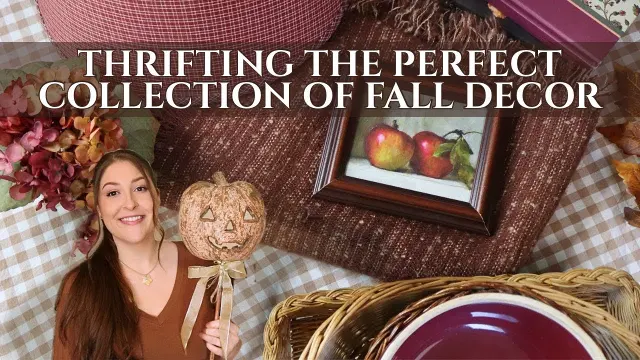 Hunting for Cozy Cottage Fall Decor and Goodwill Thrift Haul
Get new #Cottage Decor ideas by email
Every Thursday: the week's best ideas, with the newest from #Cottage Decor.
Related tags
Cottage Decor: Warm, Soft, and Timeless Style
Cottage decor is a warm, inviting interior style inspired by the comfort of country homes. It is known for its relaxed, lived-in feel, where practical pieces, soft colors, and gentle patterns come together in a way that feels personal rather than formal. The look can be rustic, romantic, simple, or a little eclectic, but it usually shares the same idea: a home should feel cozy, useful, and welcoming.
What cottage decor is about
At its heart, cottage decor values comfort over perfection. Rooms often feel collected over time, with furniture and objects that look familiar and easy to live with. Wood, painted surfaces, natural fabrics, and handmade details are common. Instead of sharp lines and heavy formality, the style tends to favor softness, charm, and a slightly casual look.
Cottage style can work in a small home, a larger house, or even a single room. You do not need to copy a fully traditional country interior to use it. A few well-chosen pieces can bring the feeling into your space.
Read more
Common features of cottage decor
The style often includes:
- Soft or muted colors such as cream, white, pale blue, sage, or warm neutrals
- Layered textiles like cushions, throws, curtains, and table linens
- Slipcovered or upholstered seating for a relaxed look
- Painted or aged wood furniture
- Floral, checked, striped, or small-scale patterned fabrics
- Open shelves, baskets, pottery, and other useful decorative items
- A mix of old and new pieces that feels collected rather than matched
Natural light and a sense of openness also suit cottage decor well, but the style can feel cozy in darker or smaller rooms too.
Styles within cottage decor
Cottage decor is not one fixed look. It has several variations. Traditional cottage style may feel more vintage and romantic, with carved furniture, china, lace, and floral prints. A simpler version may lean more rustic, using weathered wood, woven baskets, and plain fabrics. Some homes mix cottage decor with farmhouse, coastal, or French country influences. The key is to keep the mood soft, easy, and welcoming.
How to create the look
If you are starting from scratch, begin with a calm color base. Then add texture through rugs, cushions, curtains, and blankets. Choose furniture that feels comfortable and functional. A slightly worn table, a painted cabinet, or a simple upholstered chair can suit the style well.
You do not need many accessories. Cottage decor works best when objects feel meaningful and useful. A few framed prints, a lamp with a soft shade, a basket for storage, or a vase of flowers can be enough. Try to avoid making the room feel crowded. Cottage style should feel cozy, not cluttered.
A few practical tips
When decorating in a cottage style, think about balance. Mix old and new, smooth and textured, plain and patterned. Repeating a few colors across the room helps everything feel calm. If you use strong patterns, keep them small and soften them with solid colors. Finally, choose pieces that suit everyday life, because cottage decor is meant to feel lived in, not staged.
If you focus on comfort, charm, and a gentle sense of history, cottage decor will feel natural in your home for years to come.
#Cottage Decor: frequently asked questions
How do I start decorating a room in cottage style without replacing everything?
Begin with a calm, soft color base on the walls and larger surfaces, then bring in texture through rugs, cushions, curtains, and blankets. From there, swap in a comfortable chair, a painted or gently worn piece of wood furniture, and a handful of useful objects you already own, such as baskets or pottery. Working in layers like this lets the room evolve gradually instead of looking bought all at once.
What do I actually need to get the cottage look?
You need a muted color scheme, natural fabrics, and furniture that feels soft and practical rather than formal. A few patterned textiles, some open shelving or baskets for storage, and one or two meaningful decorative pieces are generally enough. The style depends more on warmth and ease than on owning a long list of items.
Which version of cottage decor should I choose?
It depends on the mood you want and what your home already has. A romantic, vintage-leaning version suits rooms with carved furniture, lace, and floral prints, while a simpler rustic take works better with weathered wood, woven baskets, and plain fabrics. You can also blend cottage style with farmhouse, coastal, or French country touches as long as the overall feeling stays soft and welcoming.
How do I keep cottage decor looking good over time?
Choose washable slipcovers, removable cushion covers, and natural fabrics you can clean without fuss, since the style is meant to be lived in daily. Rotate and air out textiles now and then, and keep surfaces from collecting too many small objects. Touching up painted furniture and refreshing flowers or greenery helps the room stay fresh rather than tired.
Can I use cottage decor for a seasonal or holiday look?
Yes, and it adapts easily because the base palette is already soft and neutral. In autumn, layer in warm throws, woven textures, and natural elements like dried branches or pumpkins, keeping patterns small and colors repeated so the room stays calm. Thrifted and secondhand finds fit the collected spirit of the style especially well.
What mistakes should I avoid when decorating in this style?
The most common one is overfilling the room with accessories until it feels cluttered rather than cozy. Mixing too many bold patterns at once can also make the space feel busy, so keep strong prints small and balance them with solids. Finally, avoid choosing pieces that are too delicate or formal for everyday use, since cottage decor is at its best when it is practical.
Videos come from YouTube and posts from Instagram; titles and summaries are our own. All rights belong to their creators.