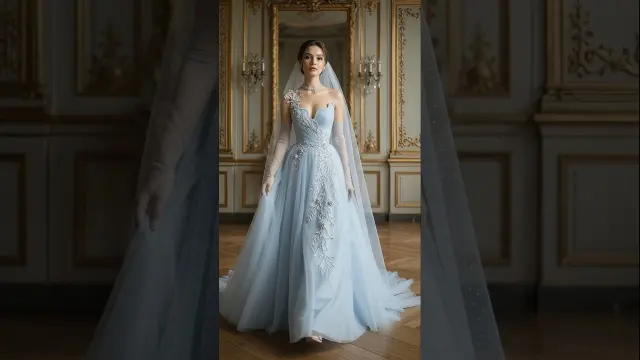
 Unique Ice Blue Fairytale Wedding Gowns And Saturated Satin
#Couture Gown
1 ideas
Unique Ice Blue Fairytale Wedding Gowns And Saturated Satin
Get new #Couture Gown ideas by email
Every Thursday: the week's best ideas, with the newest from #Couture Gown.
Related tags
Couture Gowns: Elegant Custom Dressmaking
What a couture gown is
A couture gown is a finely made dress created with exceptional attention to fit, construction, and detail. The word couture comes from the tradition of dressmaking by hand, where garments are shaped to the body rather than simply selected from standard sizes. A couture gown may be designed for a special occasion such as a wedding, gala, or formal celebration, but the idea is broader than that: it is about craftsmanship, precision, and a highly considered finish.
Where couture comes from
Couture has its roots in the long history of dressmaking and tailoring, when clothing was made individually for one person. Over time, couture became associated with custom design, skilled handwork, and luxurious materials. Today, the term is often used to describe gowns that are made to measure or heavily customized, with a strong focus on structure, drape, and detail. If you are drawn to couture, you are usually looking for something that feels personal, sculpted, and memorable.
Read more
Common styles and silhouettes
Couture gowns can take many forms, from softly romantic to dramatic and architectural. Some of the most familiar silhouettes include:
- Fitted column shapes that follow the body
- Full-skirted ball gowns with a defined waist
- Slim, elongated dresses with clean lines
- Structured designs with visible shaping and support
- Gowns with layered volume, trains, or statement sleeves
The style is often less about a single silhouette and more about how the gown is finished. A simple shape can feel couture if the fit, fabric, and construction are refined.
Fabrics, details, and techniques
Couture gowns often use fabrics that hold shape well or move beautifully, such as silk-like materials, satin, lace, tulle, organza, and other dress fabrics with enough body or softness for the design. What makes a gown feel couture is usually the combination of material and technique.
Common couture techniques may include:
- Careful draping on a dress form or the body
- Hand-finishing and precise hemming
- Layering fabrics for depth and structure
- Boning, corsetry, or internal support
- Embellishment such as beading, embroidery, appliqué, or lace placement
These details are not only decorative. They help the gown fit smoothly and keep its shape throughout wear.
What beginners should know
If you are new to couture gowns, start by thinking about the occasion, the silhouette that suits you, and the amount of structure you like to wear. A couture-inspired gown should feel beautiful, but it should also feel comfortable enough to move, sit, and breathe in naturally.
A few practical tips can help:
- Choose a design that suits your body shape and your comfort level
- Pay attention to fit at the shoulders, waist, and bust
- Allow time for fittings and adjustments
- Consider how the gown will be worn, walked in, and stored
- Keep accessories simple if the dress already has strong detail
Why couture gowns feel special
A couture gown stands apart because it is made with care and intention. The difference is often in the small things: the way the fabric falls, how the seams are finished, and how the dress seems to belong to the wearer. If you love elegant clothing with artistry and structure, couture gowns offer a timeless way to express that.
Videos come from YouTube and posts from Instagram; titles and summaries are our own. All rights belong to their creators.