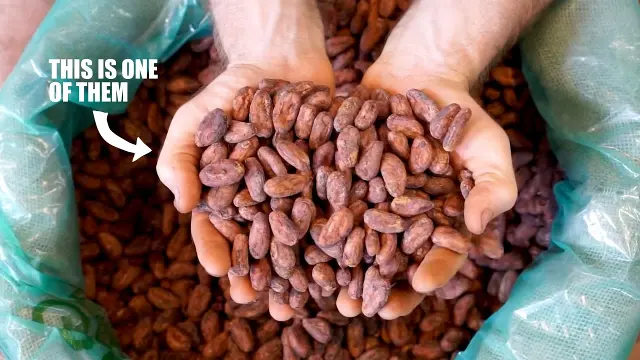
 Understanding Why Craft Bean-to-Bar Chocolate Costs More
#Craft Chocolate
1 ideas
Understanding Why Craft Bean-to-Bar Chocolate Costs More
Get new #Craft Chocolate ideas by email
Every Thursday: the week's best ideas, with the newest from #Craft Chocolate.
Related tags
Craft Chocolate Guide
Craft chocolate is chocolate made in small batches with close attention to the whole process, from the cacao bean to the finished bar. It is often called bean-to-bar chocolate because the maker works with whole cacao beans instead of starting from a pre-made chocolate base. The aim is not only to make chocolate, but to bring out the natural character of the cacao itself.
Chocolate has a long history that begins with cacao, a plant native to tropical regions of the Americas. For centuries, cacao was used in drinks and food before becoming the sweet solid chocolate many people know today. Craft chocolate takes inspiration from that earlier connection to cacao by treating the ingredient with care and preserving more of its original flavour.
What makes craft chocolate different
The main difference is attention to origin, processing, and flavour. Craft makers often choose beans from specific growing regions and work to highlight their natural notes, which may taste fruity, nutty, floral, earthy, or roasted. Rather than aiming for a single standard flavour, craft chocolate celebrates variety.
Read more
It is usually made in smaller quantities, with more control over roasting, grinding, conching, and tempering. These steps influence the final taste and texture. A shorter, simpler ingredient list is common too, especially in dark chocolate, where the focus stays on cacao, sugar, and sometimes cocoa butter.
Main kinds and styles
Craft chocolate can take many forms:
- Dark chocolate, which usually has a higher cacao content and a more intense flavour
- Milk chocolate, which is softer, sweeter, and creamier
- Single-origin chocolate, made with beans from one country, region, or farm
- Blended chocolate, made by combining beans to create a balanced flavour
- Inclusions, such as nuts, fruit, spices, or nibs, added for texture and contrast
Each style has its own character. Some bars are bold and bitter, while others are smooth and gently sweet. There is no single “correct” way for craft chocolate to taste.
What beginners should know
If you are new to craft chocolate, start by tasting slowly. Let the chocolate melt rather than chewing it straight away, and notice how the flavour changes from the first impression to the finish. You may find that a bar tastes less sugary than mass-market chocolate, but more complex and layered.
It also helps to read the ingredient list and cacao percentage, though the percentage alone does not tell you everything. A lower percentage does not always mean milder flavour, and a higher percentage does not always mean better quality.
Practical tips for enjoying it
- Store chocolate in a cool, dry place away from strong smells
- Keep it sealed, since chocolate can absorb odours easily
- Break off a small piece first and taste it mindfully
- Try different origins and styles to learn what you prefer
- Pair it with plain foods or drinks if you want to notice the flavour more clearly
Craft chocolate is both an ingredient and an experience. It invites you to slow down, taste carefully, and appreciate how much variety can exist within something as familiar as chocolate.
Videos come from YouTube and posts from Instagram; titles and summaries are our own. All rights belong to their creators.