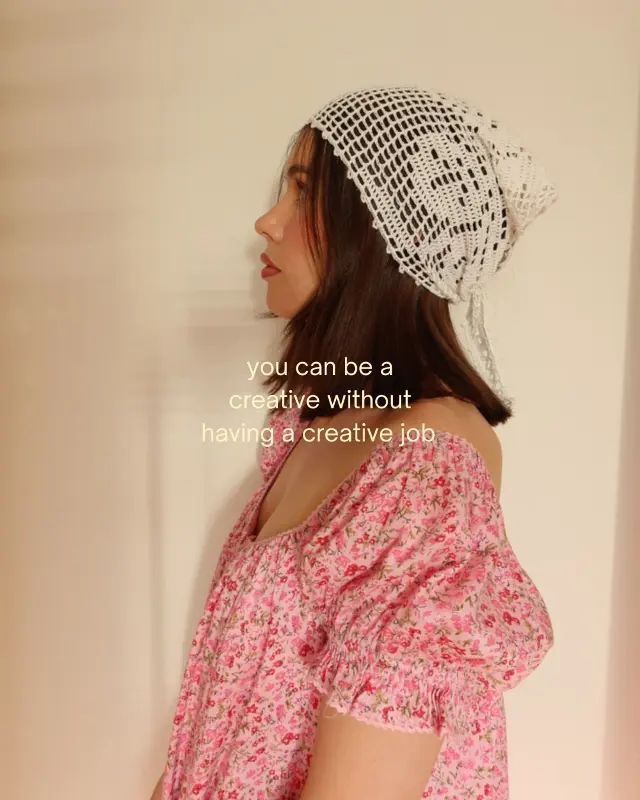
 A Receptionist's Slow Living Diary as a Part-Time Crocheter
#Craft Community
2 ideas
A Receptionist's Slow Living Diary as a Part-Time Crocheter
Get new #Craft Community ideas by email
Every Thursday: the week's best ideas, with the newest from #Craft Community.
Related tags
Craft Community: The Pleasure of Making Things Together
There is a particular kind of quiet that settles over a room where several people are making something at the same time. Scissors, needles, paper, glue, the occasional sigh when a stitch goes wrong. A craft community is simply the name for the people around that table, whether they sit together in person or meet through a screen.
Where it comes from
Making things has rarely been a solitary act. Sewing circles, quilting gatherings, village workshops and guilds existed long before anyone called them communities, and they grew out of practical need as much as sociability: tools were shared, techniques were passed from one pair of hands to another, and a difficult task went faster with company. Much of that spirit survives. What has changed is how many ways there are to find the group that suits you.
The shapes it takes
Read more
- Local clubs and informal meetups, often in libraries, community halls, cafés or someone's living room, where people bring whatever they are working on and simply sit and make together.
- Classes and workshops, shorter and more structured, good for learning a specific skill from someone who has practiced it for years.
- Online groups, forums and video-along sessions, where distance stops mattering and you can watch someone's hands work through a technique at your own pace.
- Swaps, challenges and making for others, which give a group a shared purpose beyond the craft itself.
- Fairs, exhibitions and open studios, where the community becomes visible to the wider world.
What draws people in
Company is the obvious answer, and it is a real one: a project that feels tedious alone can be pleasurable with conversation around it. But there is more. You learn faster when you can see how someone else holds the hook or folds the fabric. You finish things because someone will ask about them next week. You get honest, kind feedback on work you were unsure about. And many people find that the rhythm of making, done in company, slows the day down in a way that is hard to find elsewhere.
If you are just starting
Look for a group that welcomes beginners rather than one that impresses you. Bring a small, forgiving project rather than something ambitious, and bring your own materials unless you have been told otherwise. Ask questions freely, and expect to be asked some in return. Offer to help with the practical things, setting up chairs, tidying, sharing a pattern you love. Credit the people whose designs and techniques you use.
A few practical notes
Try a gathering once before deciding it is your group; the atmosphere matters more than the craft on offer. If you join online, read for a while before posting, and remember that typed words carry less warmth than spoken ones. Welcome the person who arrives looking uncertain, because you were that person once. And do not feel obliged to fill every silence; a room of people quietly working is doing exactly what it should.
#Craft Community: frequently asked questions
How do I find a craft community near me?
Start with the places that already host people making things — libraries, community halls, cafés and small local clubs often have an open session you can simply turn up to. Online groups and video-along sessions are a good second option, especially if your area is quiet or your schedule is awkward. Try one gathering before deciding it is your group, since the atmosphere tells you more than the craft on offer.
Do I need to be experienced to join a craft group?
No — look for a group that welcomes beginners rather than one that impresses you, because most people are there for company as much as for skill. You learn fastest by watching how someone else holds the hook or folds the fabric, and questions are usually met with enthusiasm rather than judgement. Expect to be asked things in return; that exchange is part of what the group is for.
What should I bring to my first meetup?
Bring a small, forgiving project rather than something ambitious, so you can talk and work at the same time without losing your place. Bring your own materials unless you have been told otherwise, and if you are unsure, ask before the session rather than turning up empty-handed. Offering to help with the practical side — setting out chairs, tidying up, sharing a pattern you love — settles you in faster than anything.
Is joining an online craft group as good as meeting in person?
It is different rather than lesser: distance stops mattering, and you can watch a technique worked through at your own pace, pausing whenever you need. The trade-off is warmth, because typed words carry far less of it than a voice across a table. Read for a while before posting, and treat it like any room — be generous, be clear, and assume good intent.
What mistakes do newcomers to a craft community usually make?
The common ones are choosing a group that looks impressive over one that feels welcoming, and bringing a project too fussy to work on while chatting. Another is staying silent out of worry about asking something obvious, which is usually the exact question someone else is holding back. And it is worth crediting the people whose designs and techniques you use — that courtesy is what keeps a group generous.
How can a craft group make things for a purpose beyond itself?
Swaps, challenges and making for others give a group a shared reason to keep meeting, and they pull in people who would not otherwise join a club. Fairs, exhibitions and open studios do something similar by letting the community be seen by the wider world. Both are optional, though — a room of people quietly working is already doing what it should.
Videos come from YouTube and posts from Instagram; titles and summaries are our own. All rights belong to their creators.