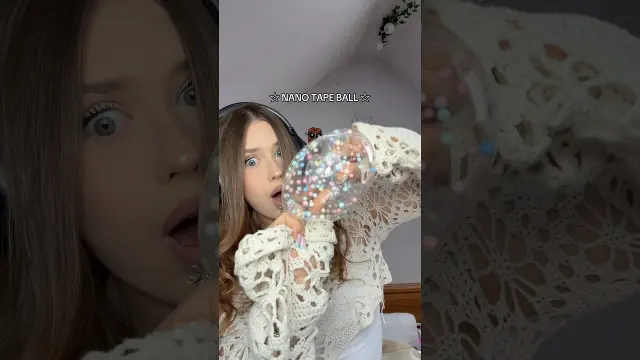
 Three Boredom-Busting Squishy Ideas From Pinterest
#Crafts for Kids
1 ideas
Three Boredom-Busting Squishy Ideas From Pinterest
Get new #Crafts for Kids ideas by email
Every Thursday: the week's best ideas, with the newest from #Crafts for Kids.
Related tags
Crafts for Kids: Simple Ideas That Spark Creativity
Crafting with children is one of the simplest ways to spend time together while making something that did not exist before. It covers everything from folding a paper boat to stitching a felt bookmark, and it belongs as much to rainy afternoons and quiet weekends as it does to classrooms and holiday clubs. What all of it has in common is the same basic idea: give a child materials, a little guidance, and permission to experiment.
Why making things matters
Handling scissors, squeezing glue, rolling dough and threading beads all ask for steady hands and patient attention, and children tend to pick these skills up quickly when the activity is their own idea. Crafts also offer a gentle lesson in problem-solving: a corner that will not fold, a paint colour that turns muddy, a model that collapses. Learning to try again is part of the point. The finished object matters far less than the time spent deciding, testing and adjusting.
A basic kit to keep at home
Read more
You do not need specialist supplies to start. A drawer with these basics will carry most projects:
- Plain and coloured paper, card, and a roll of masking tape
- Child-safe scissors with rounded tips
- Water-based glue, a glue stick, and a pot of paste
- Washable, non-toxic paints, brushes, and an old shirt or apron
- Pencils, crayons, and a black marker
- Modelling dough or clay
- A box of odds and ends: cardboard tubes, fabric scraps, buttons, ribbon, yoghurt pots, leaves and cones
Kinds of crafts to try
Paper crafts are the easiest entry point: folding, cutting snowflakes, making paper chains, cards and simple puppets. Modelling with dough or clay suits children who like to work with their hands, and the results can be dried and painted. Painting and drawing need little explanation, though a large sheet of paper on the floor often works better than a small one on a table. Collage turns scraps into pictures and teaches composition without demanding fine control. Nature crafts use what you find on a walk, from leaf rubbings to pine-cone figures. Threading and simple sewing, with blunt needles and felt, build patience and coordination. Upcycling projects make a point about materials being useful more than once.
Getting started without stress
Set up before you call the children in, cover the table, and keep a cloth nearby. Choose one project rather than a whole menu, and show the first step yourself instead of explaining it. Children usually abandon a craft when it is too hard, not too easy, so pick something slightly below their reach and let them add difficulty themselves.
Work alongside them rather than over them. Resist tidying a creation mid-flow, and let colours be wrong. Keep safe equipment, such as sharp tools, craft knives or a hot glue gun, for adult hands only, and check that paints, glues and clays are labelled non-toxic and suitable for children.
Finally, plan for the end. Decide together where finished pieces will live, photograph the ones you cannot keep, and make putting everything away part of the ritual; the next project starts more easily when the table is clear.
#Crafts for Kids: frequently asked questions
How do I start crafting with kids without buying a lot of supplies?
Begin with what you already have: plain paper, card, a pencil, crayons and a glue stick will carry a surprising number of projects. Set everything out before you invite the children in, cover the table, and keep a cloth within reach so spills do not derail the mood. Pick a single project and demonstrate the first step yourself rather than explaining it aloud.
What basic materials are worth keeping on hand at home?
A drawer holding paper and card, child-safe scissors with rounded tips, water-based glue, washable non-toxic paints, brushes, crayons and modelling dough covers most everyday projects. Add a box of odds and ends such as cardboard tubes, fabric scraps, buttons, ribbon and pots, since these are what turn an ordinary afternoon into something inventive. An old shirt or apron protects clothes and signals that messy work is allowed.
Which kind of craft suits a child who is new to making things?
Paper crafts are usually the gentlest entry point, because folding, cutting and assembling need little fine control and mistakes are easy to undo. Collage works well too, since it teaches composition while letting small hands tear and stick rather than draw precisely. Children tend to give up when a craft is too hard rather than too easy, so start slightly below their reach and let them raise the difficulty themselves.
How should I handle mess and tidying up?
Prepare the space beforehand and accept that some mess is part of the process, rather than tidying a creation while it is still in progress. Let colours come out wrong and shapes end up lopsided, since the deciding, testing and adjusting is the real point of the activity. Make putting everything away part of the ritual at the end, which makes the next project easier to begin.
What mistakes do parents commonly make when crafting with children?
The most frequent is taking over the project and steering it towards a tidy finished result, which quietly removes the child's ownership of it. Another is offering a whole menu of activities at once instead of settling on one, which scatters attention before anything is finished. Finally, keep sharp tools, craft knives and hot glue guns strictly for adult hands, and check that paints, glues and clays are labelled non-toxic and suitable for children.
What can we make when we need an idea for a rainy day or a holiday?
Simple puppets, paper chains, cards and folded paper shapes fill a wet afternoon without any preparation beyond the basic kit. Nature crafts gathered on a walk, such as leaf rubbings or pine-cone figures, work well for slower weekends, while upcycling odds and ends into models suits children who like to invent. Decide together where finished pieces will live, and photograph the ones you cannot keep.
Videos come from YouTube and posts from Instagram; titles and summaries are our own. All rights belong to their creators.