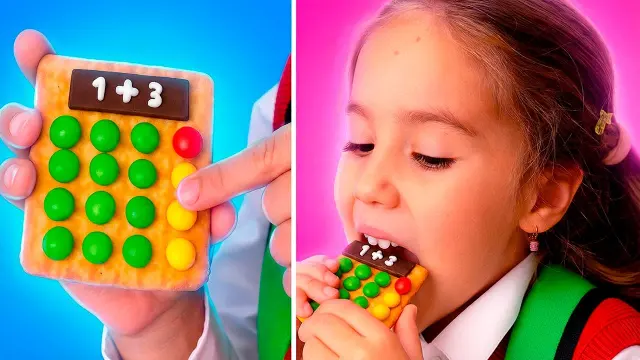
 Creative DIY tricks and sweet craft ideas for kids
#Creative Play
2 ideas
Creative DIY tricks and sweet craft ideas for kids
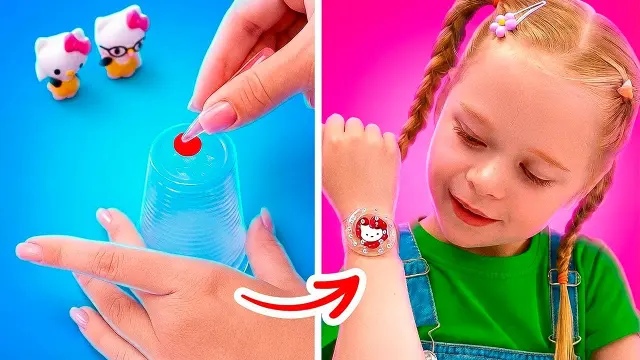 Fun DIY cup crafts and creative ideas for kids
Get new #Creative Play ideas by email
Every Thursday: the week's best ideas, with the newest from #Creative Play.
Related tags
Creative Play Ideas for Children
What creative play means
Creative play is any kind of play that lets children imagine, make, build, invent, or turn simple things into something new. It can be as free as a child pretending a blanket is a tent, or as focused as drawing, cutting, glueing, or building with blocks. At its heart, creative play is about exploration. It gives children space to express ideas, solve small problems, and enjoy making choices for themselves.
This kind of play has been part of childhood for a very long time, across many cultures. Children have always found ways to create with what is nearby: sticks, paper, fabric scraps, stones, boxes, or clay. The materials may change, but the purpose stays the same. Creative play helps children think imaginatively and work with their hands in a way that feels natural and fun.
Common kinds of creative play
Read more
Creative play can take many forms, and most children enjoy several of them:
- Drawing, colouring, painting, and scribbling
- Cutting, folding, glueing, and making paper crafts
- Building with blocks, recycled materials, or simple construction toys
- Pretend play, such as playing shop, house, school, or adventure
- Music and movement, including singing, dancing, or using simple instruments
- Sensory play, such as play dough, sand, water, or textured materials
- Story-making, where children invent characters, scenes, or little games
You do not need special equipment for creative play. Often the simplest materials work best because they leave room for imagination.
Why it matters
Creative play supports many everyday skills without feeling like a lesson. It can help children develop focus, coordination, language, confidence, and patience. It also gives them a safe way to test ideas: What happens if I stack this here? What if my drawing becomes a costume? What story can this box tell?
Just as important, creative play encourages self-expression. Some children like bright, busy activities. Others prefer quiet making or pretend worlds. There is no single right way to do it.
Helpful tips for getting started
If you want to encourage creative play, keep things simple and open-ended:
- Offer a few materials instead of too many at once
- Use everyday objects that can be repurposed for play
- Leave room for children to choose how to use the materials
- Focus on the process, not on making something perfect
- Be nearby to help if needed, but allow independence
- Accept mess as part of making, and set up an easy cleanup routine
For younger children, larger materials and easy-to-handle tools are often best. For older children, you can add more detail through folding, assembling, cutting, or combining different materials.
A gentle approach
Creative play works best when it feels relaxed. There is no need to correct every idea or guide every step. If a child wants a cup to become a telescope, a crown, or a tiny drum, that is the play. The value lies in the imagination behind it.
Videos come from YouTube and posts from Instagram; titles and summaries are our own. All rights belong to their creators.