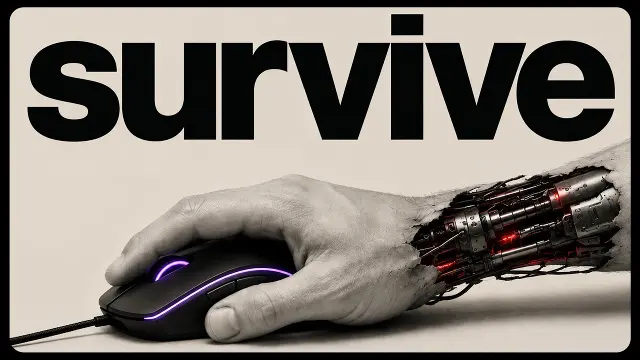
 Full Graphic Design Course on Surviving and Thriving in the Era of AI
#Creative Strategy
1 ideas
Full Graphic Design Course on Surviving and Thriving in the Era of AI
Get new #Creative Strategy ideas by email
Every Thursday: the week's best ideas, with the newest from #Creative Strategy.
Related tags
Creative Strategy: Turning Ideas Into Direction
Creative strategy is the thinking that sits between a problem and the work made to solve it. It is the discipline of deciding what a piece of communication, a design, a campaign or a collection should say, to whom, and why that matters — before anyone starts choosing colours, words or materials. Where creative execution asks "how should this look and sound?", creative strategy asks "what is this actually for?"
The idea grew out of advertising and brand work, where studios and clients needed a shared reference point before commissioning expensive production. Over time the same logic travelled into design studios, publishing, interior and fashion work, and any project where taste alone is not enough to justify a decision. Its ancestry is older than that, of course: patrons, editors and craftspeople have always negotiated between what the maker wants and what the audience needs.
What it is made of
A useful strategy usually answers a small set of questions, in plain language:
Read more
- Who are we speaking to, and what do they already believe?
- What single idea should they take away?
- What is in the way — indifference, confusion, a competing habit?
- What tone and territory fit, and which are wrong for us?
- How will we know whether it worked?
The answers do not need to be clever. They need to be specific enough that two people working separately would make similar choices.
Common approaches
Some strategies are built around insight: a truth about how people actually behave, found by watching and listening rather than guessing. Others are built around positioning, defining a clear place in the reader's mind relative to everything else. Others still are built around a strong central image or phrase that carries the feeling and lets the details follow. Many projects mix all three.
For beginners
Start by writing the problem down in one sentence without using adjectives. Vague briefs produce vague work, and adjectives are usually where the vagueness hides. Then write the single takeaway you want, again in one sentence — if you cannot, you have a list of ideas rather than a strategy.
Collect references, but decide what you are taking from each one: the structure, the mood, the pacing, the restraint. "I like this" is not a reason; "this holds attention because it delays the reveal" is.
Expect the strategy to change once you start making. That is normal and healthy; the document is a compass, not a contract. What matters is that changes are conscious, and that you can say why.
Finally, keep it short. A strategy nobody reads is decoration. One page, plain words, honest about what you are unsure of, will carry a project much further than a long deck full of confidence.
#Creative Strategy: frequently asked questions
What is creative strategy, in plain terms?
It is the thinking that happens before the making — the work of deciding what a piece of communication should say, who it is for, and why that matters. Execution then handles how it looks, sounds or feels. Put simply, strategy asks what the thing is for, while craft asks how to build it.
How do I start writing one if I have never done it before?
Write the problem out in a single plain sentence with no adjectives, since adjectives are usually where vagueness hides. Then state the one takeaway you want your audience to leave with. If you cannot reduce it to a single point, you are holding a list of ideas rather than a strategy.
What should a strategy document actually contain?
It should answer a small set of questions in everyday language: who you are speaking to and what they already believe, the single idea they should take away, what is currently in the way, which tone and territory fit you, and how you will judge whether it worked. Specificity matters more than cleverness — two people working separately should make similar choices after reading it. Keep it short enough that people will genuinely read it.
Which approach should I choose — insight, positioning, or a central image?
There is no single correct pick; each suits a different problem. Insight-led work starts from a real observation about how people behave, positioning defines a clear place in someone's mind relative to everything else, and image-led work carries the feeling up front and lets the details follow. Many projects blend all of them, so choose the one that best explains the problem you actually have.
What are the most common mistakes beginners make?
The usual ones are writing a brief so vague that any output could satisfy it, and collecting references without saying what specifically is being borrowed — the structure, the pacing, the restraint. Another is treating the strategy as a fixed contract and then quietly drifting away from it. Changes are fine and expected; the important thing is that you can explain why each one happened.
Videos come from YouTube and posts from Instagram; titles and summaries are our own. All rights belong to their creators.