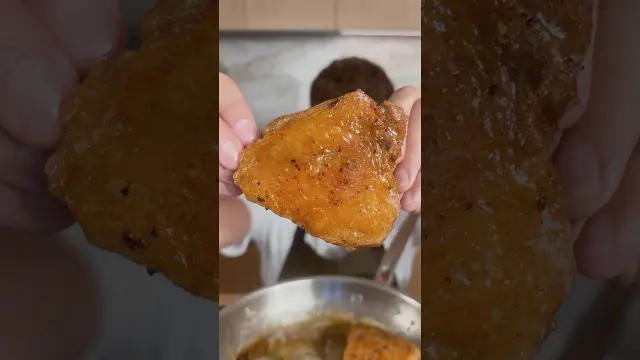
 Simple Crispy Pan-Seared Chicken Thighs
#Crispy Chicken
2 ideas
Simple Crispy Pan-Seared Chicken Thighs
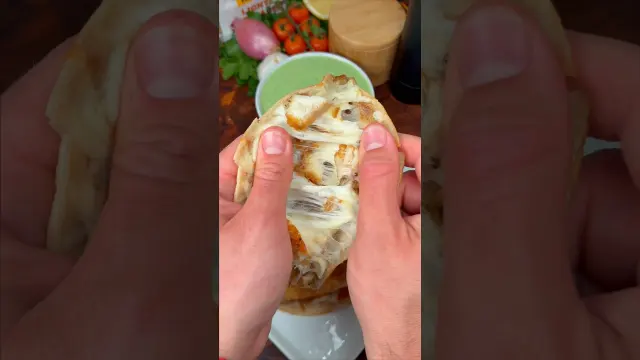 Crispy Chicken Cheese Tacos with Cilantro Lime Sauce
Get new #Crispy Chicken ideas by email
Every Thursday: the week's best ideas, with the newest from #Crispy Chicken.
Related tags
Crispy Chicken: A Beginner's Guide to Golden Crusts
Crispy chicken is simply chicken cooked so that the outside turns deeply browned and brittle while the inside stays tender and juicy. Nearly every food culture has its own version — dredged and fried, battered and dunked, roasted whole with crackling skin, or seared in a hot pan. What they share is a fascination with contrast: soft meat against a crust that resists the bite.
Where the crunch comes from
A crisp crust is a small piece of chemistry. Starch or breadcrumbs on the surface lose their moisture and firm up, fat conducts heat quickly and evenly, and the meat's own juices stay inside. Steam is the main enemy of all of this: any water still sitting on the chicken will turn to vapour and soften the coating before it can brown. That is why so many recipes begin with the same quiet step — patting the pieces thoroughly dry.
The main methods
Read more
- Dredging: a layer of seasoned flour, then egg or buttermilk, then crumbs or a second dusting of flour. The egg wash is the glue; the flour is the shingle roof.
- Batter: a wet mixture of flour, water or milk, sometimes with a little starch, that puffs around the meat as it fries.
- Skin-on roasting or pan-searing: no coating at all, just dry skin, salt, a hot surface and patience. The skin itself becomes the crust.
- Oven and air-fryer cooking: a lighter coating, usually breaded, cooked by moving hot air rather than oil. Less mess, a slightly different texture.
- Double-frying: frying once to cook the meat through, resting, then frying again briefly at a higher temperature to drive off surface moisture and deepen the colour.
Choosing the cut
Wings and drumsticks fry quickly and are forgiving. Thighs stay juicy even if they spend a little longer in the pan. Breast dries out fastest, so it benefits from an egg wash, a shorter cooking time and a rest. Whole chicken rewards spatchcocking, which lets the skin brown evenly and the legs cook at the same rate as the breast.
Practical tips
- Season the flour or crumbs, not only the meat. A bland coating tastes bland no matter how crisp it is.
- Let breaded pieces rest for a few minutes before cooking so the coating sets.
- Keep the oil at a steady, moderate heat. Too cool and the crust drinks oil; too hot and it darkens before the meat is done.
- Cook in small batches. Crowding the pan drops the temperature and traps steam.
- Drain on a rack rather than on kitchen paper, which can steam the underside soft.
- Rest the chicken briefly before serving so the juices redistribute rather than running out at the first cut.
Cooking safely
Crispy chicken should always be cooked through to the centre, with no pink juices and no resistance at the bone. If a piece is browning faster than it is cooking, finish it in a moderate oven. And remember that the crust softens as it cools — crispiness is at its best in the first minutes, which is as good an argument as any for serving it straight from the pan.
#Crispy Chicken: frequently asked questions
How do I get the skin really crispy when cooking chicken at home?
The biggest difference comes from moisture control: dry the surface thoroughly, season it, and give it room in a hot pan or oven so it can brown instead of steam. Coated pieces also benefit from resting a few minutes before cooking, which lets the coating set so it stays put and crisps evenly.
Which cut of chicken is easiest for a beginner to cook crispy?
Wings, drumsticks and thighs are the most forgiving because they tolerate a bit of extra time without turning dry. Breast is the least forgiving, so it helps to protect it with a coating and pull it out promptly so it stays tender.
Is an air fryer or oven worth using instead of frying in oil?
Both work well if you accept a slightly different result: the crust comes out lighter and drier rather than rich and shattery. They suit breaded pieces nicely and are handy for smaller batches, but heavy wet batters behave much better in oil.
Why does my crust sometimes turn out soggy or greasy?
Usually the oil temperature drifted too low, or the pan got crowded and the temperature dropped further while steam collected around the pieces. Frying in smaller batches and letting each batch drain on a rack rather than on paper keeps the underside from softening.
Can I make crispy chicken ahead of time and still serve it crisp?
Crispiness fades quickly as the crust pulls moisture from the air, so the best approach is to cook close to serving time. If you must work ahead, cook the chicken through earlier and refresh it briefly in a hot oven just before it goes to the table.
What are the most common mistakes people make with crispy chicken?
Under-seasoning only the meat and leaving the coating bland is a frequent one, along with skipping the drying step and rushing the cooking heat. Another is cutting in too soon, which lets the juices run out instead of settling back into the meat.
Videos come from YouTube and posts from Instagram; titles and summaries are our own. All rights belong to their creators.