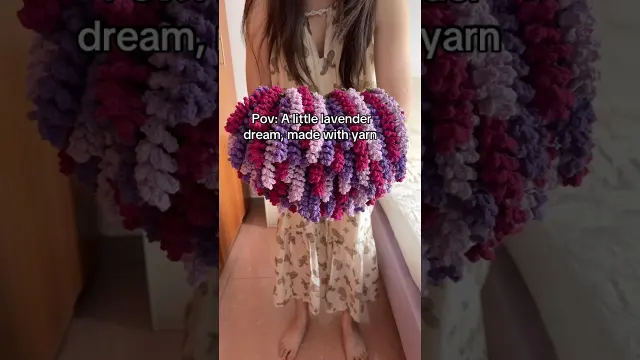
 Lavender crochet flower and bouquet idea
#Crochet Bouquet
1 ideas
Lavender crochet flower and bouquet idea
Get new #Crochet Bouquet ideas by email
Every Thursday: the week's best ideas, with the newest from #Crochet Bouquet.
Related tags
Crochet Bouquet: A Guide to Flowers That Never Fade
A crochet bouquet is exactly what it sounds like: a bunch of flowers made from yarn with a hook, gathered and wrapped the way you would wrap a real one. Because they are made stitch by stitch rather than grown, they never wilt, never drop petals and never set off an allergy. That is a large part of their appeal — you can carry them at a wedding in the morning and still have them on a shelf years later.
Where the idea comes from
Making flowers with a hook is an old domestic craft, passed along in homes and needlework circles long before anyone thought to photograph it. It grew out of two habits that have always sat side by side: the wish to decorate with flowers, and the thrifty urge to use up leftover yarn. Small scraps are enough for a petal, so a bouquet is a natural home for odds and ends that are too short for anything else.
What people use them for
Read more
Crochet bouquets turn up in more places than you might expect:
- Weddings, as bridal and bridesmaid bouquets, buttonholes and table arrangements
- Gifts for housewarmings, birthdays, new babies and hospital visits
- Home decoration that needs no water and no sunlight
- Keepsakes, especially flowers made in a favourite colour or from a specific yarn
- Props and display pieces for shops, markets and photo shoots
Some people also make a single flower to tuck into a bag or clip to a coat, so the bouquet form is really a starting point.
The main kinds of flowers
Beginners usually start with shapes that repeat one or two stitches: simple five-petal daisies, small rosettes, tulips worked as a cup and closed at the base, and lavender spikes made by working a long chain with picots along it. Roses are built in layers, with petals worked separately and joined or sewn together. Leaves and calyxes matter more than people expect — they give a bouquet its shape and stop it looking like a handful of loose circles.
Choosing yarn and hook
Cotton yarn gives crisp, well-defined petals and holds a shape nicely; acrylic is softer and cheaper to practise with. A hook slightly smaller than the yarn label suggests makes a firmer fabric that will not flop. Work a sample flower first and see how it stands up before committing to a whole bouquet in one yarn.
Assembling the bouquet
Real stems come from floristry wire, wooden skewers or pipe cleaners slipped into the flower and covered with floral tape or a crocheted sleeve. Arrange in odd numbers, vary the heights, and group colours the way you would in a vase — a few large blooms, some small filler flowers and a little green to break them up. Wrap the stems with ribbon or twine, and finish with a pin or a few stitches so nothing slips.
Tips for beginners
Keep a note of the hook and yarn you used for each flower so you can match it later. Weave in ends as you go — they hide badly once a stem is attached. And expect the first few flowers to look uneven; shaping improves quickly with repetition, and a bouquet forgives small differences far more than a single bloom does.
#Crochet Bouquet: frequently asked questions
What exactly is a crochet bouquet, and how do I start one?
It's a bunch of flowers made from yarn with a hook, then gathered and wrapped the way a real bouquet would be. Start by making a single simple bloom until your stitches feel even, then add leaves and filler flowers as your confidence grows. Working one flower at a time keeps the project from feeling overwhelming.
What supplies do I need to make a crochet bouquet?
You need yarn, a hook that suits it, and a way to support the stems — floristry wire, wooden skewers or pipe cleaners, plus floral tape or a crocheted sleeve to cover them. A tapestry needle for weaving in ends and sewing pieces together, and ribbon or twine for the wrap, finish the list. A few small scraps of green yarn for leaves are worth setting aside before you begin.
Which flowers are best for a beginner, and which yarn should I choose?
Shapes that repeat one or two stitches are the easiest entry point — simple daisies, small rosettes, cup-shaped tulips and long lavender spikes. Cotton yarn gives crisp petals that hold their shape, while acrylic is softer and more forgiving to practise on. Pick a hook a little smaller than the yarn label suggests so the fabric stays firm rather than floppy, and test one flower before committing to a whole bunch.
How do I care for a crochet bouquet so it lasts?
Because the flowers are made rather than grown, they don't need water or light, but they do collect dust — a soft brush or a gentle shake outdoors handles most of it. Keep them out of prolonged direct sun, which can fade yarn over time, and store them wrapped or boxed if they're a keepsake rather than something on display. If a petal works loose, a few stitches with matching yarn will secure it again.
What occasions are crochet bouquets good for?
They suit weddings as bridal and bridesmaid bouquets, buttonholes and table arrangements, and they make lasting gifts for housewarmings, birthdays, new babies and hospital visits. They're also popular as home decoration that needs no watering and as keepsakes made in a favourite colour or from a particular yarn. A single flower tucked into a bag or clipped to a coat is a nice smaller version of the same idea.
What mistakes do people make when making their first crochet bouquet?
Leaving the ends loose until the end is the most common one — they're hard to hide once a stem is attached, so weave them in as you go. Noting down which hook and yarn you used for each flower saves a lot of guesswork when you want to repeat a bloom. The other trap is expecting the first flowers to look perfect; a bouquet hides small differences far better than a single bloom does, so keep going.
Videos come from YouTube and posts from Instagram; titles and summaries are our own. All rights belong to their creators.