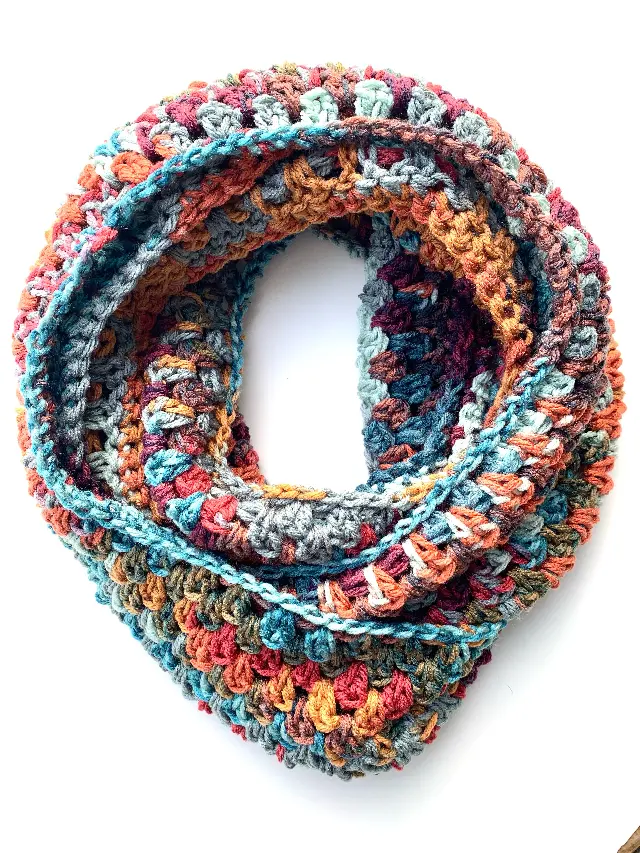
 Maker looks back on close to a thousand crocheted hats and scarves
#Crochet Hats
1 ideas
Maker looks back on close to a thousand crocheted hats and scarves
Get new #Crochet Hats ideas by email
Every Thursday: the week's best ideas, with the newest from #Crochet Hats.
Related tags
Crochet Hats: A Beginner's Guide to Making and Wearing Them
A crocheted hat is a piece of headwear made from a single strand of yarn worked into loops with a hook, building fabric stitch by stitch. Because the fabric is created as it goes, a hat can be shaped to the head, worked in the round without seams, and finished in an evening or over a few sittings. Crochet has long been used for warm, practical clothing, and the hat is one of its most enduring forms: humble enough to make from a single skein, versatile enough to carry colour, texture and personality.
Why hats suit crochet so well
Hats are small, forgiving projects. They need little yarn, they travel well, and the fit can be adjusted as you go by trying the work on. Many crocheters make their first hat before they attempt anything larger, because a hat teaches the essentials in miniature: working in the round, increasing to shape a flat circle, joining rounds neatly, and finishing an edge.
The main kinds of crochet hat
Read more
- Beanies and toques: close-fitting, usually worked from the crown down or from the brim up, often finished with a ribbed band.
- Slouchy hats: roomier through the crown, designed to sit back on the head with a soft fold.
- Berets and tam-o'-shanters: a wide, flat crown drawn in at the band, frequently worked in lacy or clustered stitches.
- Bucket hats and sun hats: firmer yarn and a stiffened brim give shade and structure.
- Earflap and trapper styles: extra flaps and ties for cold weather.
- Novelty and textured hats: cable-look stitches, bobbles, colourwork stripes or motifs such as flowers and stars.
Stitches and construction
Most hats rely on a handful of stitches — chain, slip stitch, single crochet, half double and double crochet — combined with increases and decreases for shaping. Working in continuous spirals avoids a visible seam; joined rounds give a crisper line. Brims and bands are often made with a smaller hook or worked in the back loop only to create stretchy ribbing. Tapestry crochet and intarsia allow pictures and stripes, while granny-style squares can be joined into a hat as a stash-busting project.
Choosing yarn
The fibre decides how the hat behaves. Wool and wool blends are warm, springy and hold texture well. Cotton is cool, strong and shows stitch definition, which suits summer hats and breathable caps. Acrylic is easy to wash and friendly to beginners. Soft, smooth yarns are kindest for anything worn against the skin, especially for children.
Tips for beginners
Make a small swatch to check your tension, then measure the head circumference and match it to the hat's finished size rather than guessing. Start with a plain beanie in one colour and a medium-weight yarn; save colour changes and lace for a second attempt. Count stitches at the end of each round, mark the first stitch with a removable marker, and keep the starting ring snug so the crown stays flat. Try the hat on as you near the brim, and remember that a hat should sit comfortably without pressing on the forehead.
Care and keeping
Most crocheted hats are washed gently by hand or on a delicate cycle, reshaped while damp and dried flat away from direct heat. Store them folded rather than hung, so the crown keeps its shape. A well-made hat lasts for years, and small hats are among the most useful things a crocheter can give away.
#Crochet Hats: frequently asked questions
What do I need to start crocheting a hat?
You need a hook, a ball of medium-weight yarn, a pair of scissors and something to mark your place, such as a removable stitch marker. A tape measure helps you match the hat to the head it is meant for. Soft, smooth yarn is the kindest choice for anything worn against the skin.
How do I know which style of crochet hat to make?
Think first about when the hat will be worn: a close-fitting beanie or an earflap style suits cold weather, while a cotton bucket hat or beret works better for warmth-free days. Fibre and stitch density change the result as much as the shape does, so a firm yarn gives structure to a brim and a soft one drapes into a slouch. If you are new to it, a plain single-colour beanie is the easiest place to begin.
How does a crochet hat get its shape without seams?
The crown usually starts as a small ring that grows outward in regular increases, then the sides are worked straight down until the hat reaches the brim. Working in a continuous spiral hides the join, while turning or joining each round leaves a crisper line up the back. Bands and brims are often worked with a smaller hook or into the back loop only, which makes the edge stretchy enough to grip.
What are the most common mistakes beginners make with crochet hats?
Skipping the tension swatch is the usual culprit, because a hat worked more tightly or loosely than intended simply will not fit. Dropping or adding a stitch at the end of a round throws the shaping off, and an over-loose starting ring leaves a hole at the crown. Marking the first stitch of every round prevents most of these problems and makes counting at the end reliable.
How should I wash and store a crocheted hat?
Wash it gently by hand or on a delicate setting, then reshape it while still damp and let it dry flat, well away from radiators or direct sun. Hanging a hat stretches the crown out of shape, so fold it into a drawer or box instead. Treated that way, a hat holds up for a long time.
Can I make a crochet hat as a gift or for a special occasion?
Hats are among the most useful things to give away, since they take little yarn and can be finished in a few sittings. Texture, colour and small motifs let you tailor one to the person, and joining granny-style squares is a good way to use up odds and ends. For a baby or child, keep the yarn soft and the fit comfortable rather than snug.
Videos come from YouTube and posts from Instagram; titles and summaries are our own. All rights belong to their creators.