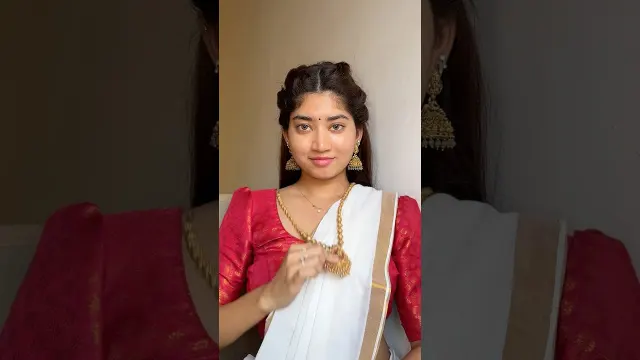
 Hairstyle idea using a necklace accessory
#Cultural Hair
1 ideas
Hairstyle idea using a necklace accessory
Get new #Cultural Hair ideas by email
Every Thursday: the week's best ideas, with the newest from #Cultural Hair.
Related tags
Cultural Hair: A Guide to Heritage, Care and Respect
Hair grows from your head, but the way you wear it often comes from somewhere else: a grandmother's hands, a language, a village, a memory of home. Cultural hair is the umbrella for all of that — the styles, rituals and materials that carry the history of a particular community and are passed down through generations.
What cultural hair means
The phrase covers more than a look. Braiding patterns, wrapping cloths, oils, powders, beads and ceremonial cuts can all signal belonging, age, marital status, mourning or celebration. In many traditions hair is treated as something to be tended with care and shared with others — an everyday act of connection rather than a private grooming chore. What makes a style cultural is not its shape but its meaning and its lineage.
A world of traditions
- Braiding and protective styling, in which hair is gathered close to the scalp and left to rest, appear in many African and diaspora communities and are often a social activity as much as a beauty one.
- Locs and twists carry spiritual and everyday significance in several traditions, and mean different things depending on where you meet them.
- Plant-based coloring and conditioning, such as henna, is used across parts of North Africa, the Middle East and South Asia, often tied to celebration.
- Oiling the scalp and length with warm plant oils is a long-standing routine in South Asian and Middle Eastern households, valued for softness and comfort.
- Adornment — beads, shells, metal, ribbons, combs, even a favorite necklace woven in — can turn hair into a small display of identity or memory.
- Ceremonial cuts and first-haircut rituals mark transitions in many cultures, from coming of age to mourning.
Wearing and learning with respect
If a style is not yours by inheritance, the safest instinct is curiosity rather than extraction. Learn where it comes from, use the names the community uses, credit the people who taught you, and accept that some techniques are not yours to rename or claim. It also helps to remember that many of these styles have been policed and dismissed before becoming fashionable elsewhere; wearing them thoughtfully, without pretending to have invented them, is a small but real courtesy.
Read more
Practical care
Whatever tradition you draw on, a few basics hold true. Keep tension gentle — braids and twists pulled too tight can hurt the scalp and thin the hairline over time. Moisturize regularly, protect the hair at night with a wrap, scarf or loose covering, and be patient: growing and repairing hair takes months, not days. With coloring, relaxing or heat, go slowly, patch test unfamiliar products, and seek a professional when you are unsure. A stylist who genuinely works with your hair texture is worth waiting for.
Starting out
Begin with one thing: a braid pattern, an oiling routine, a wrap. Ask someone who grew up with it, watch closely, practice on yourself or a friend, and let it take time. Cultural hair is not a costume you put on for a day; it is a relationship you build.
#Cultural Hair: frequently asked questions
What does "cultural hair" actually mean?
It's a broad term for the styles, rituals, materials and adornments that carry the history of a particular community and get handed down through generations. What makes a look cultural isn't its shape but its meaning and lineage — a braid pattern, a wrapping cloth, a first-haircut ritual all say something about belonging, age or celebration. Hair in this sense is something tended and shared, not just a private grooming chore.
How do I start exploring cultural hair without getting it wrong?
Pick one single element to begin with — a braid pattern, an oiling routine, a head wrap — rather than trying to take on a whole tradition at once. Ask someone who grew up with it, watch carefully, and practice on yourself or a friend, giving it time. Curiosity and consistency matter far more than buying equipment or copying a photo.
Which kind of cultural hair should I choose?
Let your own hair texture, your routine and the occasion guide you rather than what's trending. Protective styles like braids, twists and locs rest the hair; plant-based coloring such as henna suits people looking for celebration color; warm oil treatments are a gentler everyday starting point. If a style isn't yours by inheritance, learn where it comes from and the names the community uses before adopting it.
How should I care for braided, twisted or loc'd hair?
Keep tension gentle, since braids and twists pulled too tight can hurt the scalp and thin the hairline over months. Moisturize regularly, protect the hair at night with a wrap, scarf or loose covering, and be patient — growing and repairing hair is a matter of months, not days. With coloring, relaxing or heat, go slowly and patch test unfamiliar products.
What are common mistakes people make with cultural hair?
The biggest one is treating a tradition as a costume — wearing a style for a day, renaming it or implying you invented it. Another is over-tightening protective styles or rushing coloring and heat treatments instead of testing and spacing them out. It also helps to remember that many of these styles were policed and dismissed long before they became fashionable elsewhere, so credit and courtesy go a long way.
Any ideas for wearing cultural hair to a special occasion?
Adornment is the easiest way to make a style feel ceremonial — beads, shells, metal, ribbons, combs, or even a favorite necklace woven into the hair as a nod to memory and identity. Pair it with a technique you already know well rather than trying something new on the day, and keep the rest of the look simple so the hair carries the moment. If the style belongs to a tradition, name it and credit the person who taught you.
Videos come from YouTube and posts from Instagram; titles and summaries are our own. All rights belong to their creators.