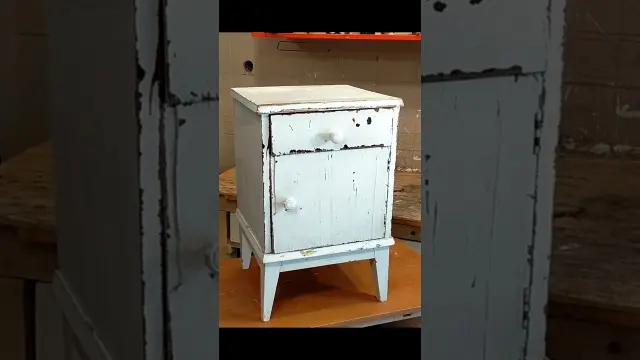
 Reviving a Painted Wooden Cupboard Through Woodworking
#Cupboard
1 ideas
Reviving a Painted Wooden Cupboard Through Woodworking
Get new #Cupboard ideas by email
Every Thursday: the week's best ideas, with the newest from #Cupboard.
Related tags
Cupboard Ideas, Styles and Practical Advice
A cupboard is a piece of furniture built around storage: a box with doors, sometimes drawers or open shelves, meant to hold things out of sight and keep them tidy. The word itself is a clue to its origins. It began as "cup board" — a simple board or open shelving used to display cups, jugs and plate in a household — and only later came to mean an enclosed cabinet with doors. That history explains why cupboards sit somewhere between furniture and architecture: they can be a handsome freestanding piece, or a fitted run of storage built into a wall.
The main kinds
The broadest divide is between freestanding and built-in cupboards. A freestanding cupboard can be moved, replaced and taken with you when you move house; a built-in one uses the awkward shapes of a room, filling alcoves and reaching the ceiling, and usually holds far more. Within that split you will find kitchen cupboards, larder or pantry cupboards for dry goods, bathroom cupboards, bedroom cupboards for clothes, and hall cupboards for coats, shoes and the things that otherwise pile up by the door.
Style follows function and period. Painted timber suits cottage and country interiors; plain slab doors read as modern and are easy to wipe down; panelled or shaker-style doors add texture and hide small imperfections; glass fronts let you see what you have but demand order. A dresser is a cousin of the cupboard, combining open shelves above with closed storage below.
Read more
What to look for
Before you buy or commission anything, decide what will actually go inside it. Measure the space twice, including doorways and skirting boards, and think about how far the doors need to swing. Deep cupboards swallow things; shallow ones are easier to keep organised. Look at the hinges and runners rather than the paint, since these are what wear out first. Solid timber is heavy and repairable; manufactured boards with a veneer are stable and affordable but less forgiving of damp.
Ventilation matters more than people expect. Cupboards that hold food, bedding or clothes need a little air movement to stay fresh, so avoid packing them tight against a cold outer wall.
Living with a cupboard
Use the space you have before adding more. Storing like with like, keeping heavier items low and leaving a little breathing room on each shelf will make a modest cupboard more useful than a larger chaotic one. Fix tall units to the wall, and do not overload shelves beyond what the fittings can carry.
For older cupboards, small repairs go a long way: a tightened hinge, a replaced catch, a sanded and repainted door. If you are painting, prepare the surface properly and let each coat dry fully — patience is most of the work. Wipe painted surfaces with a soft damp cloth rather than harsh cleaners, and treat wood occasionally with a suitable wax or oil to keep it from drying out.
A cupboard is quiet furniture. Chosen with a little thought and looked after simply, it lasts for decades.
#Cupboard: frequently asked questions
How do I decide between a freestanding cupboard and a built-in one?
A freestanding cupboard can be moved, replaced or taken with you when you move house, so it suits renters and rooms you might rearrange. A built-in cupboard makes use of awkward shapes such as alcoves and can run up to the ceiling, which usually means far more storage. Choose built-in when the room's proportions are fixed and you need capacity; choose freestanding when flexibility matters more.
What should I check before buying or commissioning a cupboard?
Start with what will actually go inside it, since that decides the depth and shelf spacing, and measure the space carefully including doorways, skirting boards and how far the doors need to swing. Then look past the finish to the hinges and runners, because those are the parts that wear out first. Solid timber is heavy but repairable, while manufactured board with a veneer is stable and affordable but less forgiving of damp.
How do I keep a cupboard organised once it is full?
Use the space you already have before adding more furniture: store like with like, keep heavier items low and leave a little breathing room on each shelf. A modest cupboard that is carefully arranged holds more usefully than a large chaotic one. Tall units should be fixed to the wall, and shelves should not be loaded beyond what the fittings can carry.
How should I care for a painted or wooden cupboard?
Small repairs go a long way on older pieces — a tightened hinge, a replaced catch, a door sanded and repainted. If you are painting, prepare the surface properly and let each coat dry fully, since patience is most of the work. Wipe painted surfaces with a soft damp cloth rather than harsh cleaners, and treat bare wood occasionally with a suitable wax or oil so it does not dry out.
What are the most common mistakes people make with cupboards?
Buying for looks before deciding what will be stored inside is the usual one, which leads to cupboards that are either too deep to keep tidy or too shallow to be useful. Packing food, bedding or clothes tightly against a cold outer wall is another, since a little air movement keeps contents fresh. Overloading shelves and skipping wall fixings for tall units are the mistakes that cause damage rather than mere inconvenience.
Which style of cupboard door works best in a given room?
Painted timber sits naturally in cottage and country interiors, while plain slab doors read as modern and are easy to wipe down. Panelled or shaker-style fronts add texture and disguise small imperfections, whereas glass doors let you see what you have but demand that everything inside stays ordered. It helps to match the door to how tidy the contents will realistically be.
Videos come from YouTube and posts from Instagram; titles and summaries are our own. All rights belong to their creators.