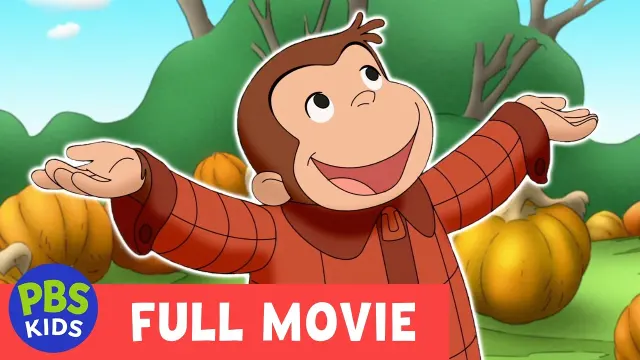
 Curious George A Halloween Boo Fest Full Movie
#Curious George
1 ideas
Curious George A Halloween Boo Fest Full Movie
Get new #Curious George ideas by email
Every Thursday: the week's best ideas, with the newest from #Curious George.
Related tags
Curious George: A Guide to the Curious Little Monkey
Curious George is a small, tailless monkey with a talent for getting into trouble and a friend who always comes looking for him: the man with the yellow hat. That simple pairing — one creature who cannot stop asking "what does this do?", one calm adult who keeps showing up — has made the character one of the most recognisable figures in children's books.
Where the stories come from
George began as a picture-book character and has stayed in print ever since, carried forward over the decades by new authors and illustrators working in the same spirit. The early books have a mid-century look: flat, bright colours, uncluttered pages, and a heroic amount of white space. That spareness is part of why they still work. A toddler can follow the pictures without any help from the words.
The shape of a story
Read more
Almost every George story follows the same gentle arc. George is curious. George investigates. Something goes wrong — a wall gets painted, a machine gets pushed, a boat drifts off. Then George, often with help, puts things right, and the day ends warmly. Children recognise this pattern immediately, and it does something useful: it shows that a mistake is a thing you repair, not a thing that defines you.
Formats to look for
The stories appear in several shapes, and the right one depends on the child. Sturdy board books suit babies and toddlers who handle pages roughly. Full picture books work for read-aloud sessions with a lap available. Short early-reader versions, with limited vocabulary and simple sentences, are for children just starting to sound out words on their own. There are also activity books, sticker books and collections that gather several stories together, which are handy for travel.
Reading together
Let the pictures do half the work. Pause before turning a page and ask what your child thinks George is about to do — the answer is usually correct and always more interesting than the text. Point at the small details in the background; illustrators of this kind of book hide a lot there. If a child is old enough, invite them to tell the story back to you from the drawings alone.
Beyond the books
George has moved into animated films and television, which is often how children meet him first. Dressing up is easy to improvise, and it helps to decide which character you are making. For George himself, think brown — brown trousers and top, a tail, and round monkey ears on a hairband or hood. The man with the yellow hat is the opposite: a wide-brimmed yellow hat, a plain shirt and trousers, and a calm expression. Pairing the two makes a natural costume for siblings or a parent and child. Colouring pages and paper crafts built around the character are common rainy-day fare, and none of it requires special equipment.
Why he lasts
George is allowed to be wrong, and he is never punished for wondering. For a small person learning how the world behaves, that is a reassuring thing to see repeated night after night — and a fair reason the books have never quite gone out of print.
#Curious George: frequently asked questions
Which version of Curious George should I start with?
It depends on how the child will handle the book. Sturdy board books survive babies and toddlers who grab at pages, full picture books suit read-aloud sessions with a lap available, and short early-reader editions with simple sentences are for children beginning to sound out words themselves. Activity, sticker and collected volumes are worth having for travel and quiet afternoons.
How do I read Curious George aloud so my child stays interested?
Let the illustrations carry half the story — pause before turning the page and ask your child what they think George is about to do. Point out the small background details the illustrator tucked in, since there is usually far more happening in the pictures than the words mention. Once a child is old enough, invite them to tell the whole story back to you from the drawings alone.
How can I put together a Curious George costume?
For George, dress in brown top and trousers, add a tail and round monkey ears on a hairband or hood, and you are essentially done. The man with the yellow hat is the easy counterpart: a wide-brimmed yellow hat, plain shirt and trousers, and a deliberately calm expression. Pairing the two makes a natural costume for siblings or for a parent and child.
What should I do when my child copies George's mischief?
Treat it as the story does: something went wrong, so now it gets put right together. Talking through what George might have done differently is usually more effective than a lecture, because the books deliberately show curiosity being forgiven rather than punished. The repair, not the scolding, is the message children take from the pattern.
What are common mistakes when introducing these books?
The usual one is treating the pictures as decoration and reading straight through the text, which skips the part toddlers actually follow. Another is choosing a format that does not match the child — a paper picture book for a baby, or a long read-aloud for a child ready to read alone. It also helps not to correct a child's guess about what happens next; the guess is the point.
Are there easy activities to go with the stories?
Colouring pages, paper crafts and sticker or activity books built around the character are standard rainy-day material and need no special equipment. For a bigger occasion, a simple dress-up session works well, especially if you decide in advance which character each person is making.
Videos come from YouTube and posts from Instagram; titles and summaries are our own. All rights belong to their creators.